

Once sold as ‘penny turtles’ around Australia, the Mary River turtle’s plight galvanised local community efforts to save it from extinction.
Articles on Conservation
Displaying 381 - 400 of 1586 articles
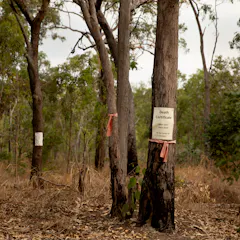
Building ecological grief literacy in workplaces can help environmental professionals manage constant exposure to the many causes of their grieving.
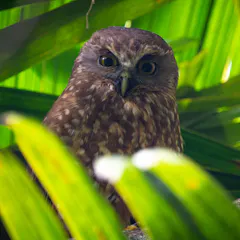
The sad case of the Norfolk Island morepork shows we need a way to control or eradicate invasive rodents without killing native species.

It was once a gross industrial sewer. But decades of work has turned Merri Creek into a green ribbon in Melbourne’s north.
Environmental success depends on social connections. So if you want to start a new group, you need to think about the people as much as the problem.
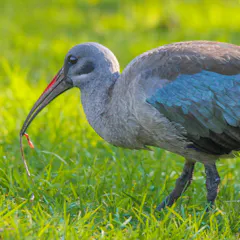
Africa’s hadeda ibises can sense vibrations using a special sensory organ in their beaks. But they need moist soil for it to work.
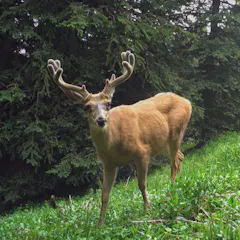
The proliferation of camera traps provided a rich source of observational information about animal behaviour during the pandemic.

Among the poisons found in 36% of the frogs tested, rodenticide was detected for the first time. Pesticides are considered a threat to hundreds of amphibian species.

It shouldn’t take sustained public outrage to stop environmentally destructive projects. Nature positive offers us a way forward.

The B.C. Conservation Officer Service is a police-like body which is not subject to police oversight. This must change.
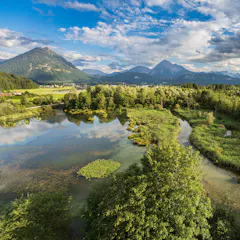
Two-thirds of conservation actions studied were found to benefit target ecosystems and species.
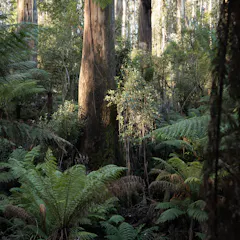
All the evidence – colonial accounts and records, First Peoples’ testimony and scientific data – points to the existence of widespread tall, dense forests 250 years ago.

The Himalayas are a beautiful and fragile ecosystem that both humans and non-humans have relied upon for millennia. Protecting them will require careful conservation efforts.
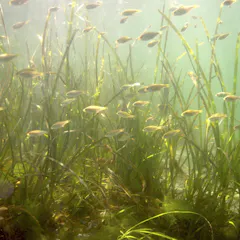
Overall, coastal habitat restoration greatly increases animal numbers and diversity. But not all projects deliver the goods and we need to find out why.

We think of laughing kookaburras as common in Australia and their call certainly lets us know when they’re about. But several factors are driving down their numbers.

The scarcity of bat fossils is more than a palaeontological puzzle: it has implications for bat conservation strategies today.

As climate change threatens their food supply, migratory birds may find help in an unlikely place.
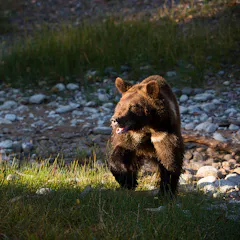
Whether people are hunters can have a big effect.

Young sharks are gathering at a popular beach. Here’s why we should skip our fear response and go for wonder – and protection

A new treaty could help protect cetaceans in the Pacific, but more needs to be done internationally.
Top contributors
-

Professor in Wildlife Ecology and Conservation, School of Life & Environmental Sciences, Deakin University
-
Professor in Conservation Science, School of the Environment, The University of Queensland
-
Distinguished Professor of Ecology, Fenner School of Environment and Society, Australian National University
-
Professor, Conservation Biology, The University of Queensland
-
Professor of Environmental Management, The University of Queensland
-
Professor of Conservation Biology, Charles Darwin University
-
Professor of Conservation and Sustainable Livelihoods, Charles Darwin University
-
Distinguished Research Professor and Australian Laureate, James Cook University
-
Lecturer in the School of Applied Sciences, Edinburgh Napier University
-
Professor in Conservation Science, School of Ecosystem and Forest Science, The University of Melbourne
-
University Fellow in Biodiversity, Charles Darwin University
-
Professor in Ecology, Charles Sturt University
-
Professor in Terrestrial Ecology, Deakin University
-
Professor of Wildlife Conservation, Australian National University
-
Professor, Urban Ecology and Biodiversity, The University of Melbourne; RMIT University