
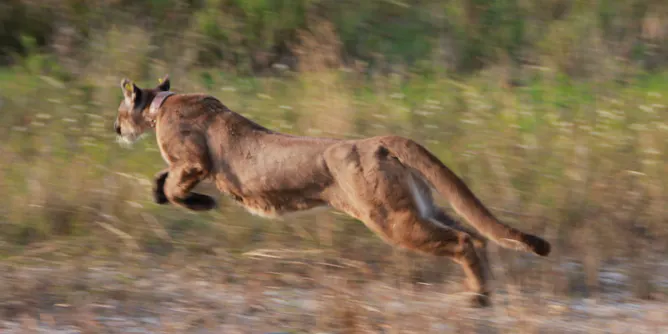
The stories of a whale, a panther and a butterfly help explain why new interpretations of the Endangered Species Act could be catastrophic for species’ survival.
Articles on Endangered species
Displaying 1 - 20 of 570 articles
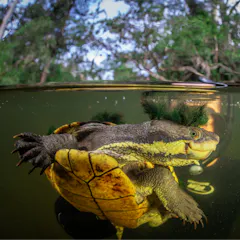
Not all conservation threats come from overseas. Some are our own native animals.
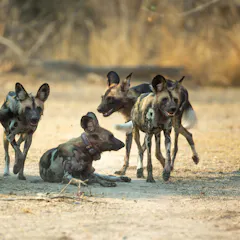
New GPS tracking on African wild dogs found they could travel long distances to find mates, but more than half did not survive the journey.
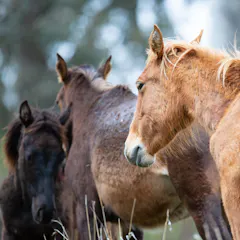
Feral horses can inflict major ecological damage, as two experts explain.
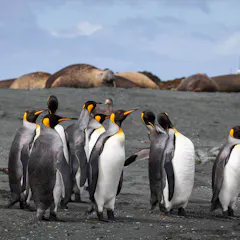
Understanding the true magnitude of the current H5N1 outbreak is key to curbing its spread.
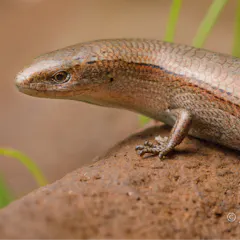
Australia is famous for its lizards and snakes. But we found at least 127 species are threatened – almost twice as many as previously thought.

With H5N1 now in New Zealand, protecting the most threatened birds will involve difficult decisions, careful prioritisation – and sometimes chance.

As bird flu takes hold, we must find and conserve species with less genetic ability to fight the virus.
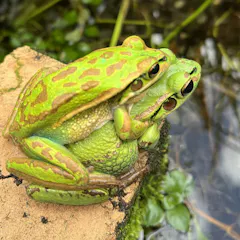
We need to carefully study what happens to frogs after we intervene to save them.
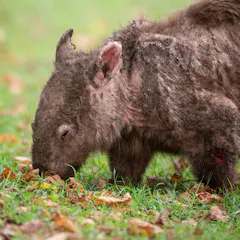
The tiny scabies mite burrows beneath the skin of many animals, including Australia’s bare-nosed wombat.
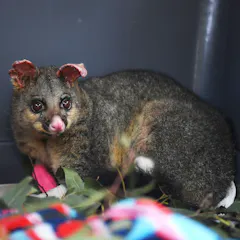
Helping distressed wildlife without seeking advice may sometimes do more harm than good – as two experts explain.
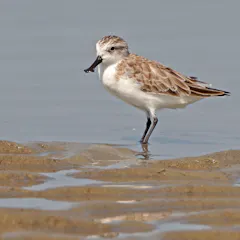
A new global assessment of the world’s migratory species finds reason for alarm, but also hope – and a road map for helping them survive.

New video captures what whale sharks do when nobody is watching.
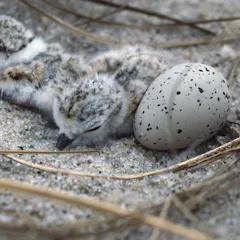
If Congress didn’t believe habitat destruction and degradation constitute ‘harm’ under the statute, why would it require permits and plans to offset habitat loss?
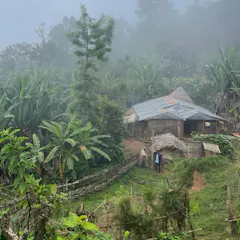
Ethiopia’s protected areas conserve almost 10% of the country, but new research has found that people living near nature reserves may be more likely to go hungry.

The majority of endangered species listings over the years have involved habitat loss, from Chinook salmon to island foxes and many birds.
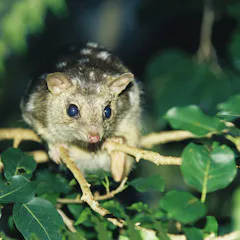
The arrival of the H5N1 strain may threaten our most vulnerable species.
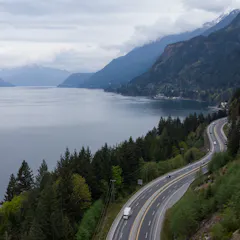
Translocation intends to minimize the impacts of development. Research shows that we are moving millions of animals and have no idea what happens to them next.
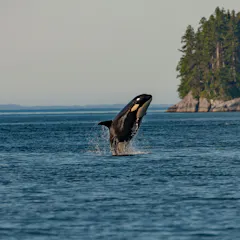
Impact assessments prevent harm before it occurs. Circumventing the process before we understand the risks is misguided and a gamble with our collective future.
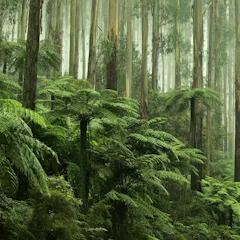
These long-delayed laws took three years, a new Environment Minister and a slew of compromises to be passed.
Top contributors
-

Professor in Conservation Science, School of the Environment, The University of Queensland
-
Professor in Wildlife Ecology and Conservation, School of Life & Environmental Sciences, Deakin University
-
Professor of Environmental Management, The University of Queensland
-
Distinguished Professor of Ecology, Fenner School of Environment and Society, Australian National University
-
Professor of Conservation Biology, Charles Darwin University
-
Professor in Conservation Science, School of Ecosystem and Forest Science, The University of Melbourne
-
Professor, Conservation Biology, The University of Queensland
-
ARC Future Fellow, Queensland University of Technology
-
Professor in Terrestrial Ecology, Deakin University
-
Professor, Urban Ecology and Biodiversity, The University of Melbourne; RMIT University
-
Lecturer, School of Environment and Science, Griffith University
-
Professor of Wildlife Conservation, Australian National University
-
University Fellow in Biodiversity, Charles Darwin University
-
Lecturer in Conservation, The University of Queensland
-
Professor of Conservation and Sustainable Livelihoods, Charles Darwin University