
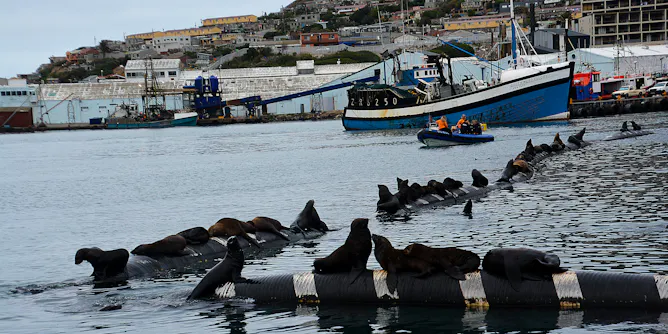
From Cape Town’s kelp forests to debates over hunting and sharks, human relationships with wildlife are reshaping conservation across South Africa.
Articles on Wildlife conservation
Displaying 1 - 20 of 570 articles
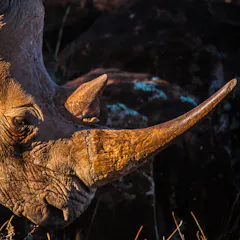
Exporting rhino horn could generate funds for conservation – but also lead to more poaching.
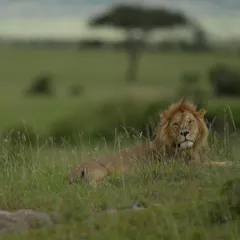
Tropes against African Indigenous communities linger and continue to shape conservation, which has led to “protective” and often punitive regulations.
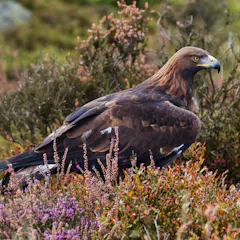
The return of an apex predator has all sorts of positive effects throughout an ecosystem.

Nature reserve fences can protect wildlife and people, but they also break up natural landscapes, restrict animal movement, and affect nearby communities.
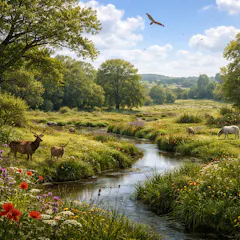
You need to already know what a rewilded landscape should look like, in order to generate a convincing image of one.
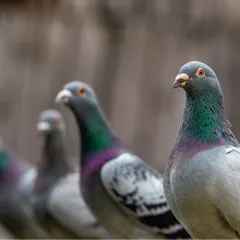
Just one of the many ways the Anthropocene is reshaping life on Earth.

The story of donkeys in Namibia is one of colonial control but also resistance.
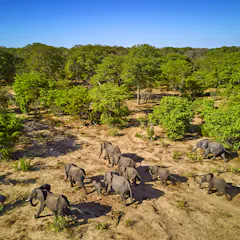
There is a desperate need to balance wildlife conservation with the wellbeing of people living in these shared spaces.
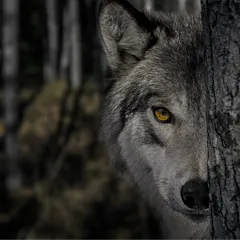
Our natural landscapes need wolves. And right now, wolves need all the good PR they can get.

Current laws that deem species safe from extinction ignore their ecological role, geographic range and genetic diversity, as well as their relationships with people.
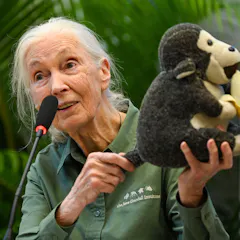
Her ability to move between academia, media and policy was almost unique.

The consequences of not freezing the cells of key species could be their extinction.

A new report shows rhino numbers are now stable – but still only a fraction of what they once were.

Refugee testimonies help shed light on the way wild animals are being captured and traded.
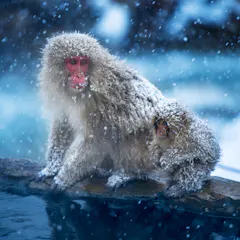
New research overturns decades of assumptions about how – and where – our lineage began.
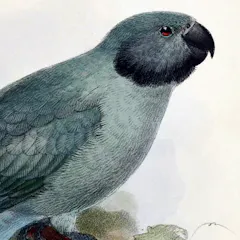
Two specimens at a museum in Cambridge are the only physical evidence this bird ever existed.
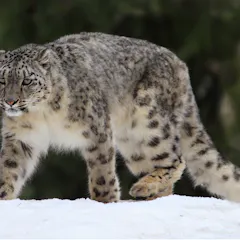
Conservationists have to search rough terrain and thousands of automated photographs to find the elusive cats. Artificial intelligence can help them work more accurately and more efficiently.

A new archaeological study finds early evidence of white-tailed deer declines in the 17th century, likely driven by the commodification of deerskins under colonial capitalism.
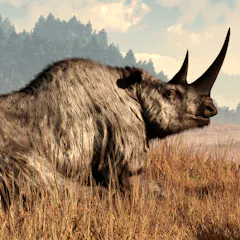
Many huge animals went extinct surprisingly recently. When they died, their ecological role was lost with them.
Top contributors
-

Professor in Wildlife Ecology and Conservation, School of Life & Environmental Sciences, Deakin University
-
Lecturer in the School of Applied Sciences, Edinburgh Napier University
-
Distinguished Research Professor and Australian Laureate, James Cook University
-
Professor of Wildlife Conservation, University of Salford
-
Honorary Research Fellow, University of Sydney
-
Professor of Conservation Biology, Charles Darwin University
-
Professor in Terrestrial Ecology, Deakin University
-
Professor in Ecology, Charles Sturt University
-
Professor in Conservation Science, School of the Environment, The University of Queensland
-
Professor of Environmental Management, The University of Queensland
-
Professor of Conservation and Sustainable Livelihoods, Charles Darwin University
-
Distinguished Professor of Ecology, Fenner School of Environment and Society, Australian National University
-
Professor in Biodiversity and Conservation, The University of Queensland
-
ARC Future Fellow, Queensland University of Technology
-
Professor of Conservation Science, University of Newcastle