
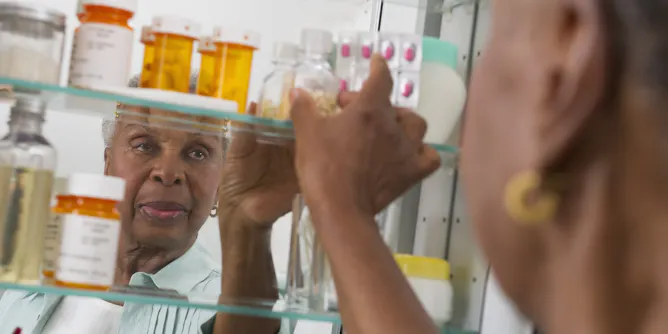
Medications degrade over time, meaning they may not work as intended once they reach and pass their expiry date.
Articles on Antimicrobial resistance
Displaying 21 - 40 of 146 articles

The U.S. withdrawal from WHO has seismic implications on issues like prevention of future pandemics, and the stakes are especially high for Canada.

Antimicrobial resistance is yet another catastrophic legacy of war, threatening human health and security for generations to come.
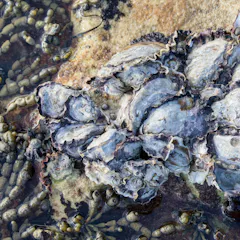
Worldwide, nearly five million people die from antimicrobial resistant infections each year.
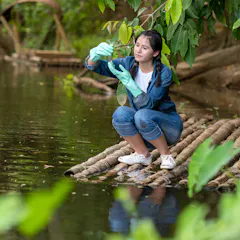
Antimicrobial resistance is hard to monitor because there’s no standard way to detect it. Here’s how it could be better identified in rivers, streams and seas.
Since the 1980s very few antibiotics have been approved. One of the reasons is that there is not enough investment in the sector.
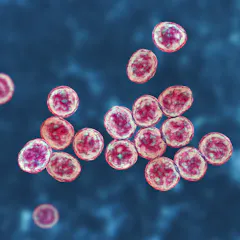
In 2022 2.4 million new-born babies died of sepsis worldwide. Antimicrobial resistance could pose a further risk.
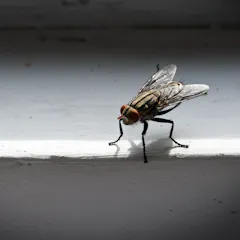
Houseflies greatly amplify the risk of human exposure to harmful microorganisms. Flies caught in three hospices carried microbes that may be resistant to antibiotics.

Without a national One Health plan, Canada is vulnerable to threats from worsening climate change, accelerating biodiversity loss, pandemics and superbugs.
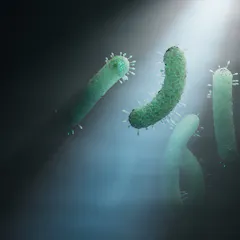
By analyzing the resistance genes and proteins of E. coli, researchers can optimize treatments to address both current and future antimicrobial resistance.
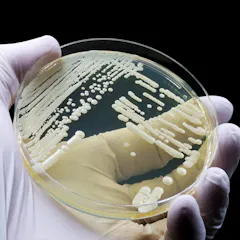
And, as with antibiotics, their widespread use in agriculture is serious problem.
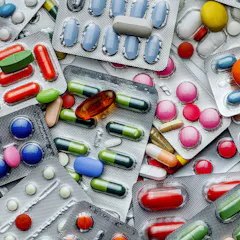
Resistance to antimicrobial drugs is a major global health challenge, so dealing with neglected tropical diseases is vital.

World leaders, civil society and global health researchers will convene at the United Nations General Assembly for arguably the most important meeting on antimicrobial resistance (AMR) this decade.
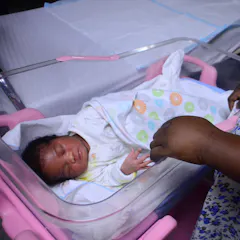
Resistance may have emerged from the increasing use of colistin in agricultural settings in Nigeria.
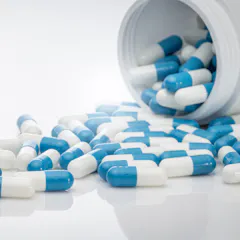
A new antibiotic attacks bacteria on two fronts, making it difficult for them to evolve resistance.

There are more antibiotics being developed today than there were a few years ago, but the antibiotic-resistance problem remains critical.

There are many ways to kill microbes that cause dangerous infections. Combining genetic screening with machine learning can help researchers identify new antimicrobials.
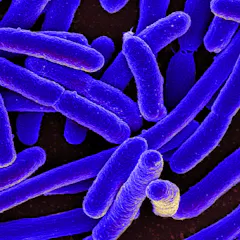
The Nobel Prize-winning Luria−Delbrück experiment showed that random mutations in bacteria can allow them to develop resistance by chance.

While every week or two will generally suffice for sheets, towels are best washed every few days. A microbiologist explains.

The contrasting realities of antimicrobial resistance between high-income countries and low- and middle-income countries demands international co-operation to effectively fight superbugs.
Top contributors
-

Senior Research Fellow, School of Medicine, The University of Western Australia
-
Prof. Institute for Molecular Bioscience, The University of Queensland
-
Professor of Biocchemistry and Biomedical Sciences, McMaster University
-
Dean of the College of Science, Professor of Biochemistry, Rochester Institute of Technology
-
Professor, The University of Queensland
-
Consultant Microbiologist, Beaumont Hospital, Dublin, Ireland and Professor and Head of Department, Clinical Microbiology, RCSI University of Medicine and Health Sciences
-
Senior Lecturer in School of Biological Sciences, Microbiology, Monash University
-
Lecturer in the History of Medicine, University College Dublin
-
Associate Professor in Microbiology, University of Technology Sydney
-
Professor of Public Health, Bond University
-
Science Communication Researcher, Stellenbosch University
-
Professor at ANU Medical School; Senior Staff Specialist Infectious Diseases; General Physician, Australian National University
-
Assistant Professor of Public Health, Bond University
-
Professor of Biochemistry and Biomedical Sciences, McMaster University
-
Professor of Infectious Diseases and Microbiology, Australian National University