
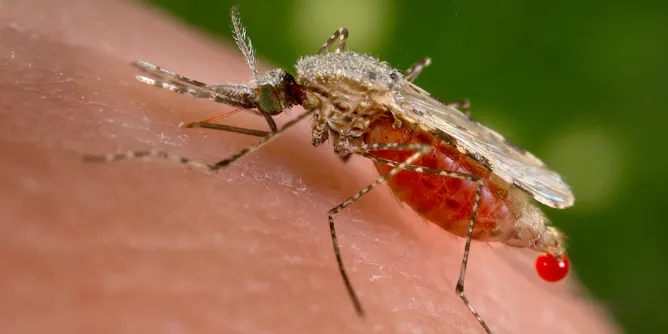
After decades of stalled progress, new vaccines, treatments and genetic tools are helping scientists protect children and save lives worldwide.
Articles on Drug resistance
Displaying 1 - 20 of 63 articles

Since the 1980s very few antibiotics have been approved. One of the reasons is that there is not enough investment in the sector.

Houseflies greatly amplify the risk of human exposure to harmful microorganisms. Flies caught in three hospices carried microbes that may be resistant to antibiotics.
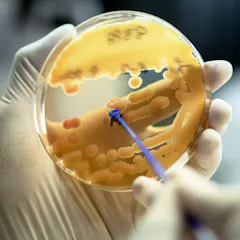
Some strains of this opportunistic pathogen are also increasingly becoming resistant to the drugs designed to treat them.
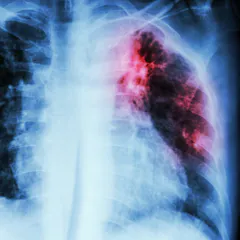
People have been battling tuberculosis for thousands of years, and drug-resistant strains are on the rise. Analyzing large datasets with AI can help humanity gain a crucial edge over the disease.
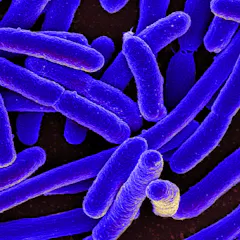
The Nobel Prize-winning Luria−Delbrück experiment showed that random mutations in bacteria can allow them to develop resistance by chance.
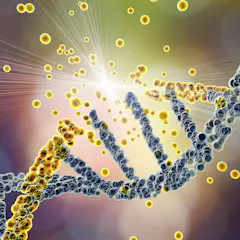
Radiotherapy takes many forms: from directing powerful high-energy beams toward specific areas of the body to placing radioactive seeds right next to tumors.

The challenge of antimicrobial resistance is global, but low- and medium-income countries like Nigeria face particular challenges.

Africa is suffering from a silent, but costly, epidemic of fungal infections.

Fungal infections can be among the hardest to treat, and since the pandemic began they’ve become only more common. To prevent future antifungal resistance, scientists have developed tiny molecular drills.

Multidrug-resistant fungal infections are an emerging global health threat. Figuring out how fungi evade treatments offers new avenues to counter resistance.
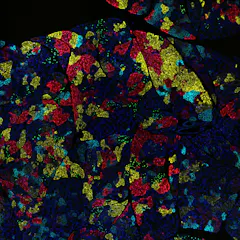
There is no one-size-fits-all approach to treating cancer. Understanding how cancer cells evolve could help researchers develop more effective drugs.
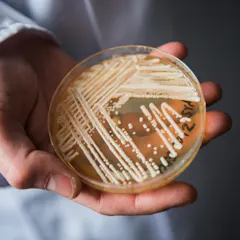
A drug-resistant fungus is a threat to human health.

Indiscriminate antimicrobial use in Nigeria’s poultry value chain is putting people at risk of developing resistance to medicines.
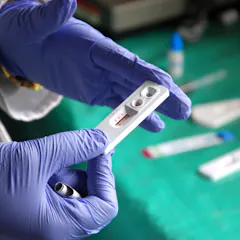
Patients with low HIV viral loads are just as likely to harbour HIV variants with drug resistance mutations as those with high viral loads.
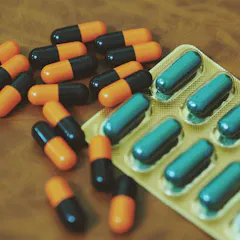
Nearly three-quarters of all patients in the study were taking at least one antibiotic. This is high and could indicate overuse.
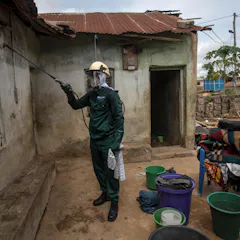
Insecticide resistance is a growing threat to malaria control efforts globally. It is, thus, important to keep a close eye on vector mosquito populations in affected areas.
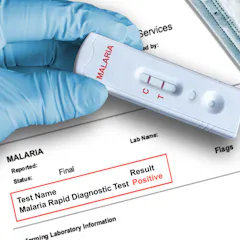
Evidence shows that malaria parasites in some locations have changed their genetic make-up so that they can evade rapid diagnostic tests.

Canada lags behind other developed countries in access to newer antimicrobials. Here’s why that matters, and what can be done about it.

The rule that antibiotics don’t work against viruses isn’t always true.
Top contributors
-

Principal Research Scientist, National Institute for Medical Research (NIMR)
-
Associate Professor, SARChI Research Chair in Mycobactomics, Stellenbosch University
-
Associate Professor of Biomedical Engineering, University of Michigan
-
Director of Science, Ifakara Health Institute
-
Chief Research Officer, Kenya Medical Research Institute
-
Postdoctoral Fellow in Bioinformatics, University of the Western Cape
-
Investigator, KwaZulu-Natal Research Institute for TB-HIV (K-RITH), Associate Professor in the Department of Medical Microbiology at the Nelson R. Mandela School of Medicine, University of KwaZulu-Natal
-
Senior Scientist, Infectious Diseases Data Observatory, University of Oxford
-
South African Research Chair in Antibiotic Resistance and Professor in Pharmaceutical Sciences, University of KwaZulu-Natal
-
Doctoral Student in Genome Sciences, University of Washington
-
Postdoctoral Research Fellow, Molecular Parasitology, Department of Biochemistry, University of Pretoria
-
Senior Lecturer in Parasite Epidemiology, School of Natural and Environmental Sciences, Newcastle University
-
Postdoctoral research fellow in the MRC Centre for Tuberculosis Research, Stellenbosch University
-
Professor, School of Biosciences, The University of Melbourne
-
Senior Research Fellow, Oxford Uehiro Centre for Practical Ethics, University of Oxford