
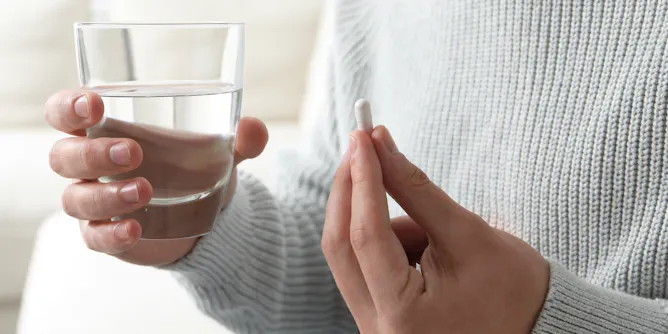
For some illnesses, shorter courses of antibiotics work just as well as longer ones, but researchers are still working out the ideal timescales for many infections – and it may not line up with when you feel better.
Articles on Antimicrobial
Displaying 1 - 20 of 24 articles
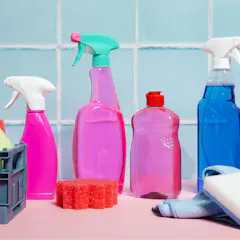
The disinfectants we trust to protect us from microbes may also inadvertently help those microbes evolve to become more resistant to them.
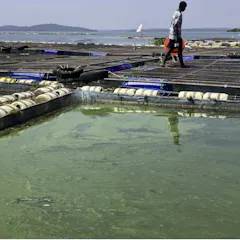
Lake Victoria’s aquaculture industry holds promise for improving food security and livelihoods in east Africa.
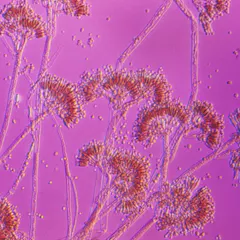
As many as 1 in 5 Americans believe they have a penicillin allergy, but just a tiny fraction actually do. In recent years, it’s gotten a lot easier to find out.

Keeping wounds clean and infection free has challenged people for thousands of years.
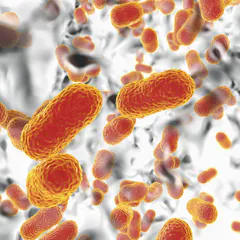
Antimicrobial resistance is an epidemic that kills close to 5 million people annually. The solutions are complex and must take into account the needs of the poor.

Scientists are racing to discover new antibiotics that can defeat these drug-resistant superbugs. So how is the newly developed antibiotic clovibactin different?

Not enough data is being collected about the impact taking prescription medication has on breastfeeding.

Quaternary ammonium compounds, also known as QACs or quats, are commonly used antimicrobials also found in many household products. Soap and water may be a safer bet when cleaning surfaces.

Multidrug-resistant fungal infections are an emerging global health threat. Figuring out how fungi evade treatments offers new avenues to counter resistance.

Indiscriminate antimicrobial use in Nigeria’s poultry value chain is putting people at risk of developing resistance to medicines.
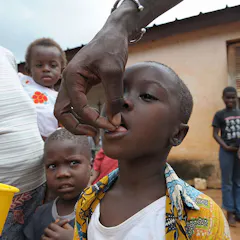
Ivermectin has been a lifesaving drug for people with parasitic infections like river blindness and strongyloidiasis. But taking it for COVID-19 may result in the opposite effect.
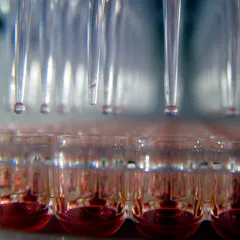
Pharmaceutical companies focus on small molecules they’ve devised – and can easily patent. But nature’s already come up with many antibacterial compounds that drug designers could use to make medicines.
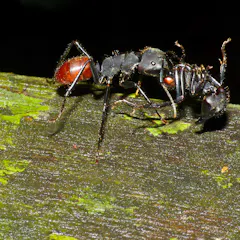
Ants produce their own antimicrobial chemicals to fight bacteria.
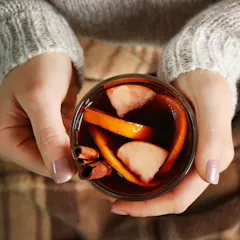
Wine has long been known for its disinfecting and cleansing properties. So can it kill flu and other bugs? And what about other types of alcohol?
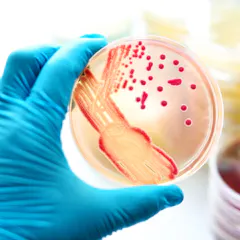
This research could provide an answer to some of the problems posed by antibiotic resistance.
The US Centers for Disease Control has reported a woman in her 70s has died of overwhelming sepsis caused by a bacterium that was resistant to all available antibiotics.

Products not under the FDA’s jurisdiction don’t have to list whether they contain any of the antimicrobial chemicals banned in soap by the agency.

The vast majority of the bacteria that surround us are not free-floating but prefer to band together in cooperative communities called biofilms. How do biofilms form and cooperate?
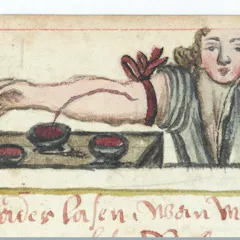
While some ancient therapies proved effective enough that they are still used in some form today, on the whole they just aren’t as good as modern antimicrobials at treating infections.
Top contributors
-

Assistant Professor, Northwestern University
-
Professor at ANU Medical School; Senior Staff Specialist Infectious Diseases; General Physician, Australian National University
-
South African Research Chair in Antibiotic Resistance and Professor in Pharmaceutical Sciences, University of KwaZulu-Natal
-
Lecturer, Department of Genetics and Genome Biology, University of Leicester
-
Virology Research Scientist, University of Washington
-
Assistant Professor of Industrial and Systems Engineering, North Carolina State University
-
Associate Professor and Clinical Academic Gastroenterologist, Western Sydney University
-
Professor of Biological Sciences, Binghamton University, State University of New York
-
Professor, Liverpool John Moores University
-
Associate Professor of Pharmacy, University of Connecticut
-
Lecturer in Public Health Nutrition, Swansea University
-
Professor of Medicines Management and Health Services Research, Swansea University
-
Postdoctoral Researcher, Department of Biology, McMaster University
-
Lecturer in Microbiology, Cardiff Metropolitan University
-
Professor of Global Health, University of Oxford