

Antibiotic resistance is not only a hospital problem. Farming, food production and import standards also play a role.
Articles on AMR
Displaying 1 - 20 of 37 articles

After harmful bacteria are removed by water treatment, the genetic information that enables antimicrobial resistance can persist.
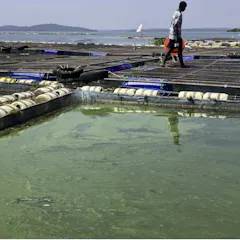
Lake Victoria’s aquaculture industry holds promise for improving food security and livelihoods in east Africa.
Most antibiotic resistance research comes from high-income countries but the greatest threats are elsewhere. This inequality is shaping the future of global health.

A new bill looking to control antibacterials in everyday products was recently debated in the House of Lords.
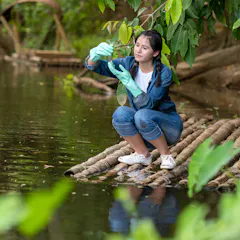
Antimicrobial resistance is hard to monitor because there’s no standard way to detect it. Here’s how it could be better identified in rivers, streams and seas.
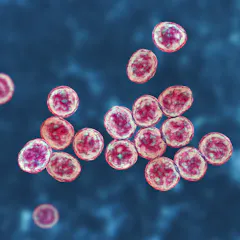
In 2022 2.4 million new-born babies died of sepsis worldwide. Antimicrobial resistance could pose a further risk.

Ten million people could die in 2050 if there are no decisive efforts to contain antibiotic resistance.

Houseflies greatly amplify the risk of human exposure to harmful microorganisms. Flies caught in three hospices carried microbes that may be resistant to antibiotics.

World leaders, civil society and global health researchers will convene at the United Nations General Assembly for arguably the most important meeting on antimicrobial resistance (AMR) this decade.

The contrasting realities of antimicrobial resistance between high-income countries and low- and middle-income countries demands international co-operation to effectively fight superbugs.

Africa bears the heaviest burden of antimicrobial resistance, a phenomenon fuelled largely by poverty, But there are encouraging signs that the continent is taking action to fight it.
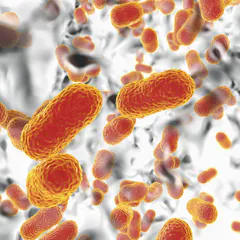
Antimicrobial resistance is an epidemic that kills close to 5 million people annually. The solutions are complex and must take into account the needs of the poor.

Researchers are desperately seeking viable alternatives to antibiotics. So what is phage therapy? And how could it help?
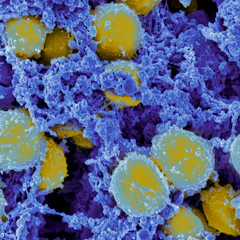
Drug-resistant microbes are a serious threat for future pandemics, but the new draft of the WHO’s international pandemic agreement may not include provisions for antimicrobial resistance.
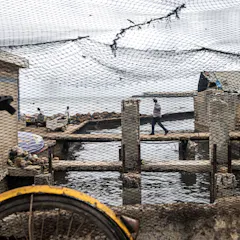
Wastewater treatment plants receive wastewater from a variety of sources. This makes them useful proxies for determining the burden of antimicrobial resistance in communities.

Through the choice of images in publications, women and children of colour in low and middle income countries were treated with less dignity and respect than those in high income countries.

A Pandoravirus has been revived after remaining dormant in the Siberian permafrost for nearly 50,000 years.

Hospitals are more risky than farms when it comes to the spread of the Klebsiella superbug.

India’s drug regulation is loose and results in dangerous medicines being sold at home and abroad.
Top contributors
-

Associate Professor: Department of Biochemistry & Microbiology, University of Venda
-
Postdoctoral Researcher, Microbiology, University of Oxford
-
Executive Dean: Faculty of Science, Engineering and Agriculture, University of Venda
-
Professor of Parasitology and Zoonosis, North-West University
-
Scientific Lead, Global Surveillance of Antimicrobial Resistance Research, University of Oxford
-
Professor of Medical Microbiology, University of Oxford
-
Extraordinary Senior Lecture in the Department of Global Health, Stellenbosch University
-
Associate professor, University of KwaZulu-Natal
-
Senior lecturer, Central University of Technology
-
Senior Lecturer - Microbiology, University of South Africa
-
Adjunct Professor, School of Global Health and Managing Director, AMR Policy Accelerator, York University, Canada
-
Professor in Microbial Biofilms, University of Southampton
-
Professor Emeritus in Global Health & Humanitarian Affairs, University of Manchester
-
Professor of Public Health, Newcastle University
-
Research Fellow, University of Oxford