

The overuse of antibiotics puts vulnerable patients and society at risk.
Articles on Antimicrobial resistance
Displaying 101 - 120 of 146 articles
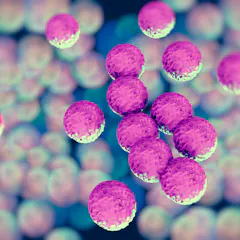
Antibiotic resistance is a major and growing global health threat. These five recent examples show us how dangerous it can be.

Farm animals are the subject of WHO initiatives around antibiotics, but domestic pets could actually be a bigger risk.

A new type of antibiotic uses DNA to fight a common deadly microbe, Clostridium difficile. These new drugs are inexpensive and adaptable and can be modified to target any bacterium, lowering the chance of drug resistance.
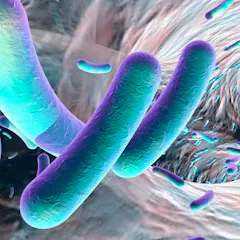
As a post-antibiotic future beckons, how can humanity protect itself against the proliferation of superbugs? Research suggests ‘drug sanctuaries’ in hospitals could be a promising solution.

Ants produce their own antimicrobial chemicals to fight bacteria.
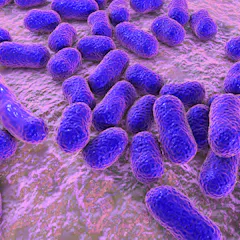
Researchers are using epigenetics to find ways to ‘turn off’ bacteria’s ability to cause infections.
Bacteria don’t just mutate to beat antibiotics, they also make changes on the fly.

We know overuse and inappropriate use of antibiotics contribute to resistance, so it’s important we develop strategies to improve practice.

A study that shows GPs are prescribing about five million too many antibiotic scripts a year means we have to take a radical new approach to reducing use of these drugs.
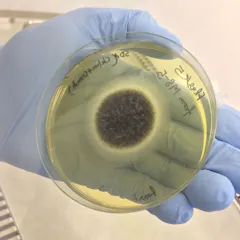
When it comes to fighting antimicrobial resistance, most of the focus is on bacteria. But we’d be foolish to forget about fungi.

Infection of wounds for surgery patients is on the rise in developing countries. A shorter dose of antibiotics is appropriate.
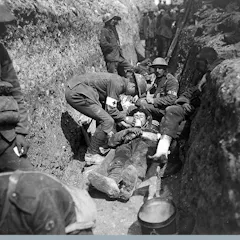
When commemorating our troops, doctors and nurses this Anzac Day, consider also tipping your hat to the discovery of bacteriophages. In the post-antibiotic era, our health might just depend on them.

Unless we do something about about antibiotic pollution in the world’s waterways, the next trip you take to the coast for a seafood dinner just might be your last.
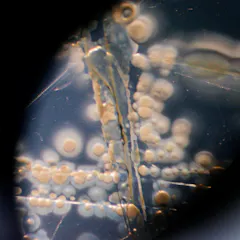
We need a concentrated and coordinated effort by government and scientists if we’re to stave off the threat of antimicrobial resistant bacteria.

The US Centers for Disease Control has reported a woman in her 70s has died of overwhelming sepsis caused by a bacterium that was resistant to all available antibiotics.
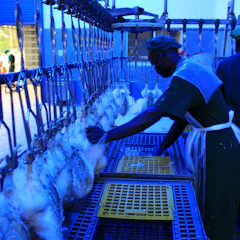
A global trend to regulate frequent antibiotic use in livestock and poultry production is emerging but Africa is still lagging behind.

Health minister Sussan Ley said Australia’s use of antibiotics in general practice is 20% above the OECD average. Is that right?

The federal government is tackling antimicrobial resistance with a ‘One Health’ approach. But what is One Health and what can it offer that other approaches haven’t?
Why US$790m is not enough to win the war against antibiotic resistance.
Top contributors
-

Senior Research Fellow, School of Medicine, The University of Western Australia
-
Prof. Institute for Molecular Bioscience, The University of Queensland
-
Professor of Biocchemistry and Biomedical Sciences, McMaster University
-
Dean of the College of Science, Professor of Biochemistry, Rochester Institute of Technology
-
Professor, The University of Queensland
-
Consultant Microbiologist, Beaumont Hospital, Dublin, Ireland and Professor and Head of Department, Clinical Microbiology, RCSI University of Medicine and Health Sciences
-
Senior Lecturer in School of Biological Sciences, Microbiology, Monash University
-
Lecturer in the History of Medicine, University College Dublin
-
Associate Professor in Microbiology, University of Technology Sydney
-
Professor of Public Health, Bond University
-
Science Communication Researcher, Stellenbosch University
-
Professor at ANU Medical School; Senior Staff Specialist Infectious Diseases; General Physician, Australian National University
-
Assistant Professor of Public Health, Bond University
-
Professor of Biochemistry and Biomedical Sciences, McMaster University
-
Professor of Infectious Diseases and Microbiology, Australian National University