

As antimicrobial resistance increases, the options for treating serious infections dwindle. Doctors need reliable information about which treatments to try out.
Articles on Antimicrobial resistance
Displaying 81 - 100 of 146 articles
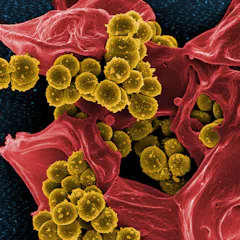
Antimicrobial resistance is a public health and economic disaster waiting to happen. If we do not address this threat, by 2050 more people will die from drug-resistant infections than from cancer.

Misuse of common cleaning products or hand sanitisers can lead to antimcrobial resistance in bacteria.

Knowing what genes cause antibiotic resistance – and where they are in the body – is critical for preventing further antibiotic resistance.
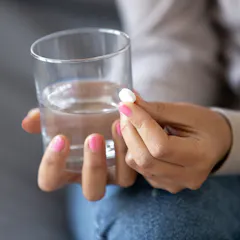
Antibiotics aren’t a one-size-fits-all treatment – the one you had last time might not work on the infection you have at the moment. So how do doctors determine which one is likely to work?
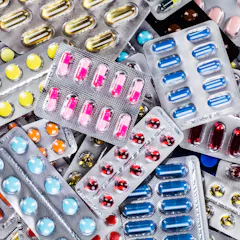
Bioinformatics can be applied to a range of problems, such as understanding the genome sequence of organisms or coming up with new drugs.
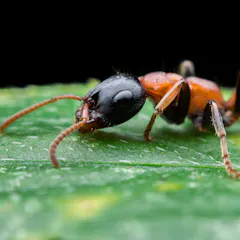
Leafcutter ants, Komodo dragons and even your nose are potential sources of new antimicrobial compounds.

Antibiotic resistance is one of the greatest health challenges of the modern day. It’s especially prevalent, and must be acted on, in Australia’s remote Indigenous communities.

Antibiotic resistance is one of the greatest health challenges we face today. But making a few small changes to the way antibiotics are prescribed could make a big difference in Australia.
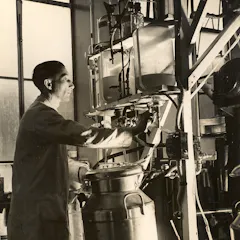
The pipeline for new antibiotics is broken. It is time to think outside the box.
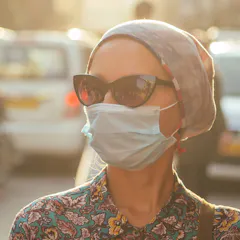
A new report estimates that by 2050, 40 per cent of all infections will be resistant to antimicrobial treatment. This will directly cause 13,700 previously preventable deaths.
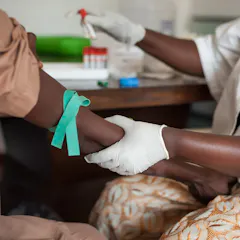
Healthcare workers in sub-Saharan Africa lack access to laboratory diagnostics and often have to guess which antibiotics to use for presumed infections.

Washing hands and coughing into your elbow can help limit the spread of infectious diseases on planes and around the globe. So why don’t passengers read about this in their inflight magazines?
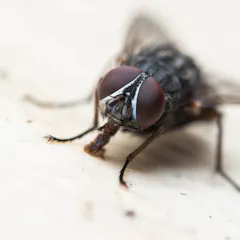
Don’t let that fly land in your hospital room. It could be carrying dangerous strains of bacteria.

Even the tidiest space has some dust. Researchers are investigating just what these indoor particles are made of and their possible implications for human health.

New study proves that asking doctors to prescribe fewer antibiotics won’t work.
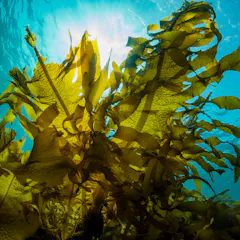
Feeding pigs seaweed could make them, us and the planet healthier without contributing to antibiotic resistance in bacteria.
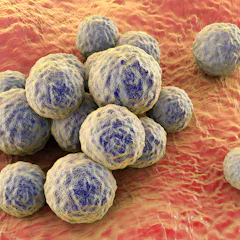
Hospital disinfectants could be creating superbugs.
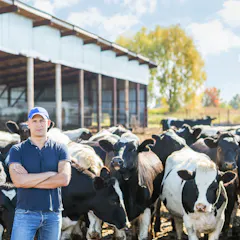
Farmers are closest to the land and their livestock, and have everything to lose by not taking care of it.
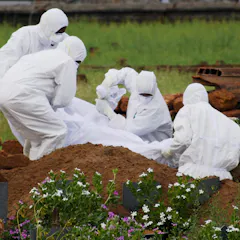
As new viruses “jump” from wildlife to humans and we struggle with antimicrobial resistance and even climate change, a new interdisciplinary approach to human health might just save the day.
Top contributors
-

Senior Research Fellow, School of Medicine, The University of Western Australia
-
Prof. Institute for Molecular Bioscience, The University of Queensland
-
Professor of Biocchemistry and Biomedical Sciences, McMaster University
-
Dean of the College of Science, Professor of Biochemistry, Rochester Institute of Technology
-
Professor, The University of Queensland
-
Consultant Microbiologist, Beaumont Hospital, Dublin, Ireland and Professor and Head of Department, Clinical Microbiology, RCSI University of Medicine and Health Sciences
-
Senior Lecturer in School of Biological Sciences, Microbiology, Monash University
-
Lecturer in the History of Medicine, University College Dublin
-
Associate Professor in Microbiology, University of Technology Sydney
-
Professor of Public Health, Bond University
-
Science Communication Researcher, Stellenbosch University
-
Professor at ANU Medical School; Senior Staff Specialist Infectious Diseases; General Physician, Australian National University
-
Assistant Professor of Public Health, Bond University
-
Professor of Biochemistry and Biomedical Sciences, McMaster University
-
Professor of Infectious Diseases and Microbiology, Australian National University