

Indiscriminate antimicrobial use in Nigeria’s poultry value chain is putting people at risk of developing resistance to medicines.
Articles on Antimicrobial resistance
Displaying 61 - 80 of 146 articles
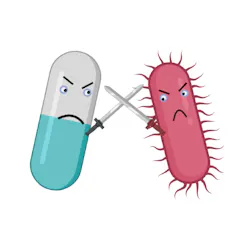
Antimicrobial resistance is a growing threat. Here’s how resistant genes sneak into human guts via wastewater, food and other routes.

With the dual threats of antibiotic resistance and emerging pandemics, finding new drugs becomes even more urgent. A trove of medicines may be lying under our nose.
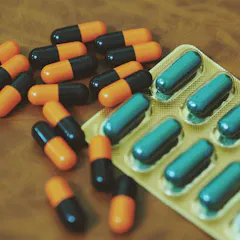
Nearly three-quarters of all patients in the study were taking at least one antibiotic. This is high and could indicate overuse.

Antimicrobial resistance disproportionately affects the world’s poorest and most vulnerable populations in low- and middle-income countries.
Canada lags behind other developed countries in access to newer antimicrobials. Here’s why that matters, and what can be done about it.

Latest numbers show antimicrobial resistant infections contributed to 4.95 millions deaths globally in 2019.

Antimicrobial resistance kills around 700,000 people worldwide annually. It is a top-ten global health threat.

If no action is taken to address antibiotic resistance, infections from multidrug-resistant bacteria could cause 10 million deaths each year by 2050.

Penicillin originally came from a fungus, and with thousands of fungi to explore, Aotearoa New Zealand has a potential treasure trove of bacteria-killing compounds.

With nurse prescribing expanding globally, it’s important they are properly guided and supported when it comes to antibiotics and managing patient expectations.

Prevention may be the best way to cope with the worldwide wave of treatment-resistant fungal pathogens.

A new network of public clinical trials institutes is urgently needed to replenish the empty pipeline for new antibiotics.

During a raging pandemic it is obviously worthwhile to use hand sanitisers, particularly when we are unable to wash our hands. But we should minimise their use when cases drop.

The increased use of disinfectants could allow for the development of bacterial strains which are resistant to disinfectants.
While the whole world is obsessed by the COVID-19 pandemic, another equally deadly threat is going unnoticed: antibiotic resistance.
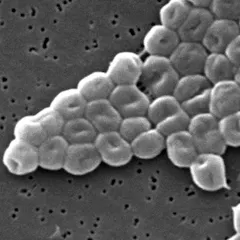
We found a new way to revert antibiotic resistance. It involves using phage therapy to resensitise a type of bacteria to antibiotics.
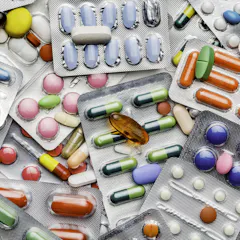
In some countries there appear to be mismatches between lists of essential medicines and lists of registered medicines.

Estimating the cost of antibiotic resistance to economies and health-care systems is fraught with difficulty, but new research says Australia will be hit harder than we think.

The African continent has the highest burden of gonorrhoea worldwide. In South Africa alone, it’s estimated that more than 2 million new cases occur annually.
Top contributors
-

Senior Research Fellow, School of Medicine, The University of Western Australia
-
Prof. Institute for Molecular Bioscience, The University of Queensland
-
Professor of Biocchemistry and Biomedical Sciences, McMaster University
-
Dean of the College of Science, Professor of Biochemistry, Rochester Institute of Technology
-
Professor, The University of Queensland
-
Consultant Microbiologist, Beaumont Hospital, Dublin, Ireland and Professor and Head of Department, Clinical Microbiology, RCSI University of Medicine and Health Sciences
-
Senior Lecturer in School of Biological Sciences, Microbiology, Monash University
-
Lecturer in the History of Medicine, University College Dublin
-
Associate Professor in Microbiology, University of Technology Sydney
-
Professor of Public Health, Bond University
-
Science Communication Researcher, Stellenbosch University
-
Professor at ANU Medical School; Senior Staff Specialist Infectious Diseases; General Physician, Australian National University
-
Assistant Professor of Public Health, Bond University
-
Professor of Biochemistry and Biomedical Sciences, McMaster University
-
Professor of Infectious Diseases and Microbiology, Australian National University