
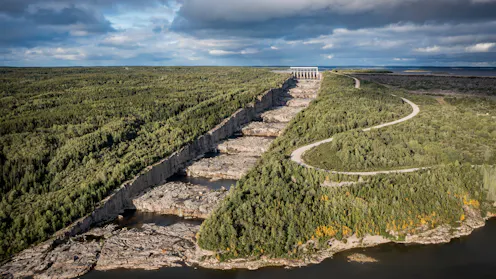
In the face of the energy transition, producing energy will be much more expensive than energy efficiency, which is still largely under-exploited.
Environment + Energy – Articles, Analysis, Comment
Displaying 126 - 150 of 1736 articles
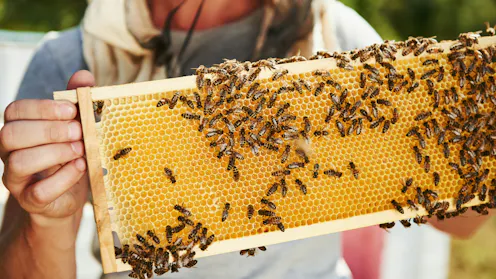
Queen bees typically imported from regions with warmer climates are not well-suited to cold Canadian winters and exhibit higher rates of diseases like chalkbrood.
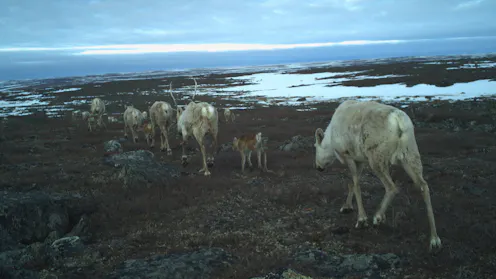
As delegates gather in Brazil for COP15, the fate of Arctic caribou migrations should serve as both a warning and a test.
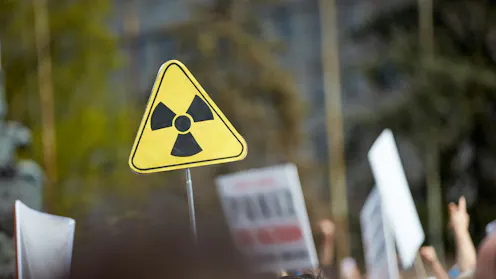
The Nuclear Waste Management Organization has proposed building a nuclear waste repository at a site in northern Ontario. But nearby First Nations say they weren’t consulted.
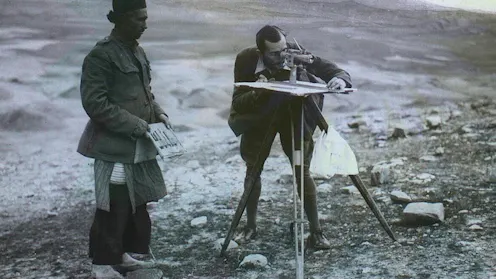
For more than a century, Iran has occupied a powerful place in the western imagination, characterized as a volatile region that sits atop vast oil reserves.
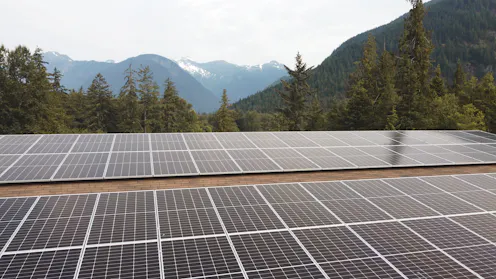
Indigenous-owned renewable energy projects are growing quickly in Canada. New research suggests they could enable widespread acceptance of energy transitions.
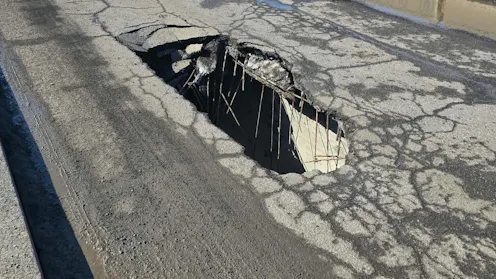
To ensure the safety of Canada’s aging infrastructure, policymakers must be proactive instead of reactive.

There is a gap in international law protections when dangerous toxins are released due to attacks on sites like fuel depots.
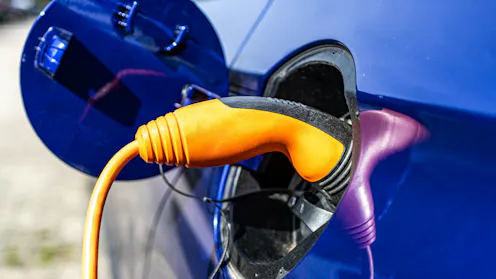
Solid-state batteries offer a promising new solution for electric vehicles, reducing the risks of spontaneous combustion when batteries are damaged or overheating.
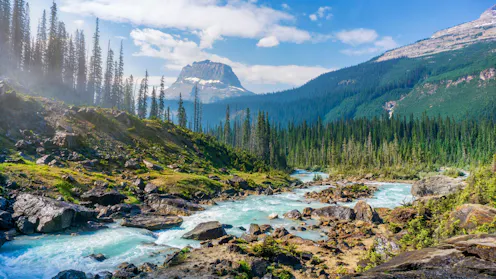
The neuroscience is in: When we spend time in nature, it has a cascade of positive effects in our brains.
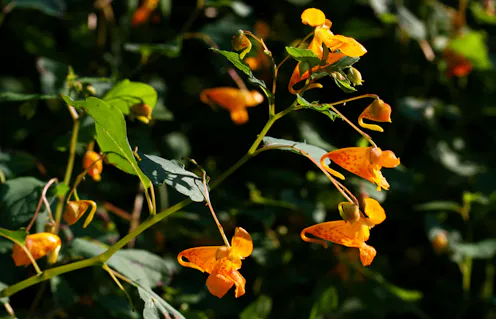
Genetic signatures help uncover the echoes of the past events in the histories of jewelweed populations, and understand their genetic implications for conservation.
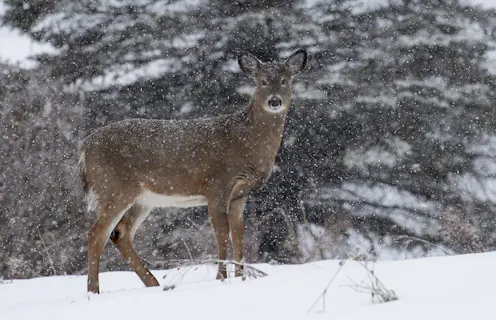
Joint research conducted by INRS and the Abitibiwinni First Nation shows how traces of DNA in the snow make it possible to track wildlife without disturbing it.

A tooth fragment found in the skull of a fossilized dinosaur sheds light on the Tyrannosaurus rex’s feeding habits.
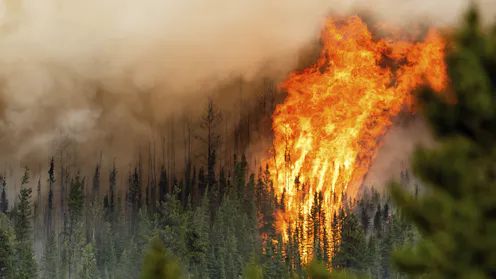
Wildfires disproportionately impact Indigenous communities. Over the last four decades, 42 per cent of wildfire evacuations across Canada have been of Indigenous communities.
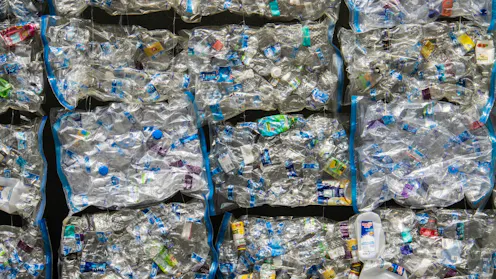
Instead of treating plastic purely as waste, new research shows that it can be transformed into something useful — acetic acid, a key component of vinegar and an important industrial chemical.

Memorials, monuments, preserved school buildings and found objects form part of a memory culture that keeps conversations about risk reduction going.

A new study isolated DNA from the tumours of 500 cats across 13 different tumour types and mapped the sequence of 1,000 genes often found mutated in human cancers.
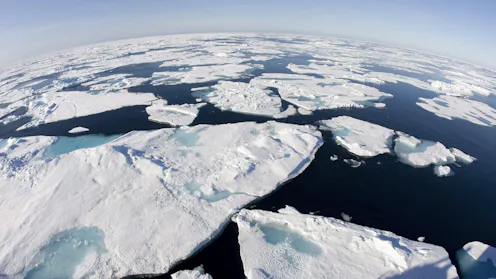
For decades, ECCC research scientists have been integral to the work of the Arctic Monitoring and Assessment Programme.

Japanese macaques are smart social animals. We expect that Punch will be able to learn how to find a place in his monkey group.

Climate change is altering not only how much snow falls, but where snowpack persists and how long it lasts.

China accounts for more than 80 per cent of global battery production. It’s highly unlikely the U.S. can reduce China’s role in the production and processing of critical minerals.
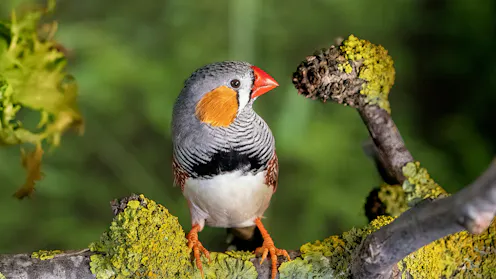
Researchers observed male zebra finches to see if they would follow the flock when building a nest, or stick to their own preferences. It may help us think about conformity in our own species, too.
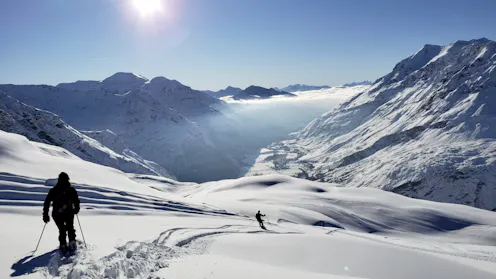
Avalanches continue to claim victims despite preventive measures. Why do some skiers take the risk off-piste?

Modern engineering practices explicitly design concrete to be more resilient to earthquakes, but older buildings predate such practices. That makes them especially vulnerable.
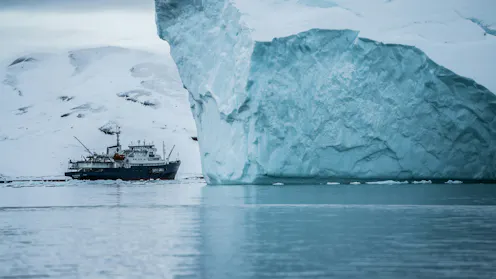
Human activity from ships, snowmobiles, machinery and aircraft is contributing to making Arctic waters louder.