
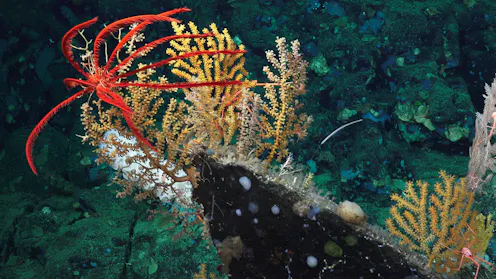
The momentum of COP30 and the first global agreement for marine areas beyond national jurisdiction creates a unique opportunity to further integrate the ocean, particularly the deep sea, into the climate agenda.
Environment + Energy – Articles, Analysis, Comment
Displaying 201 - 225 of 1736 articles

COP30 is the first conference where AI has been formally integrated as a central theme in the conference agenda.

To date, every family of marine mammal and seabird and all seven species of sea turtles have been documented to ingest plastics.

Between 2003 and 2022, clouds over the North Atlantic and Northeast Pacific became less reflective, allowing more sunlight to reach the ocean surface and causing sea surface temperatures to rise.
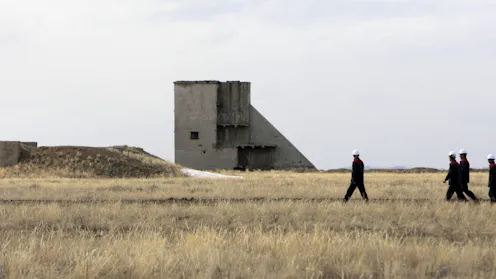
Over a 40-year period, up to 1989, the Soviet Union detonated 456 nuclear weapons in present-day Kazakhstan. A new documentary sees three generations of women speak about wounds and healing.

Will Brazil’s proposed scheme make a major difference for the climate, and how will it impact communities who live in forests?

Canada’s accelerated approach to mining raises major concerns for both the environment and Indigenous rights.

Tax avoidance and profit-shifting are leaving African countries without the resources they need to meet their development goals.

Schools should provide students with the know-how to challenge our throw-away culture and empower them to become conscious consumers.
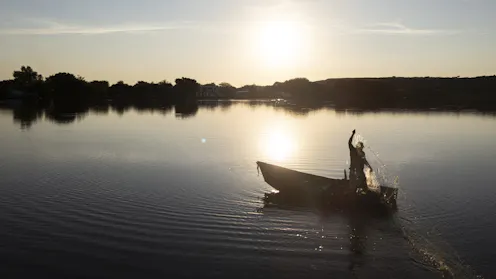
Nearly 30 per cent of the world’s population lives in coastal areas. A changing climate and biodiversity loss represent an unprecedented threat to these ecosystems.

Researchers have detected highly pathogenic avian influenza in 41 at-risk bird species across all 10 Canadian provinces.

Gates recently called for a ‘strategic pivot’ in climate strategy. That appears to have hit a nerve.

Tequila’s manufacturing process consumes huge amounts of energy, water and agrochemicals. While some make lots of money, those who harvest the crops make significantly less.

Urban green spaces should be better managed to provide places too cool off for the most underserved communities.

For decades, banks have presented themselves as leaders in sustainability. Yet, their outsized digital carbon footprints tell a different story.

The threat to kill the belugas as a solution to its economic woes, while shocking, reflects the ethical emptiness of the Canadian legal system when it comes to animals.

Satellites can be used to independently monitor emissions, helping to better understand emissions in regions where ground-based or other data are lacking.

Illegal wildlife trade is one of the largest criminal activities in the world and some black markets are growing each year. Canada’s response remains inadequately prioritized and under-resourced.
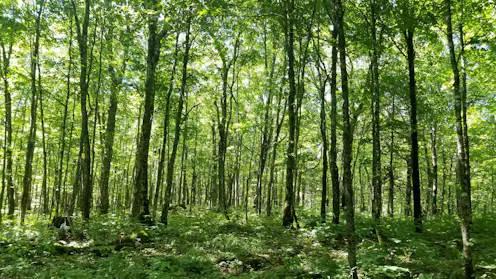
Maple forests aren’t spreading north as quickly as predicted.
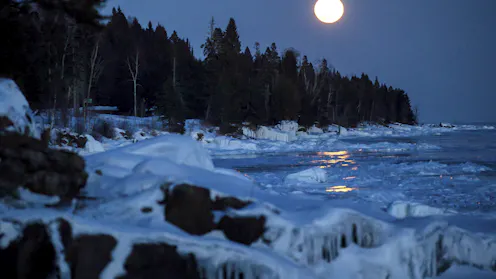
Warming winters are impacting lakes globally. However, most monitoring in the Great Lakes occurs during warmer, calmer weather. A new report highlights how policymakers can improve winter monitoring.

Leveraging political hot topics can make crowdfunding campaigns more successful. A recent proposed ostrich cull garnered a lot of attention from high-profile people.

Wildfires are not just environmental events. They are public health crises that demand stronger, more resilient health systems.

The PeatPic Project used over 3,700 smartphone photographs from 27 peatlands in 10 countries to gather data about how climate change is impacting them.
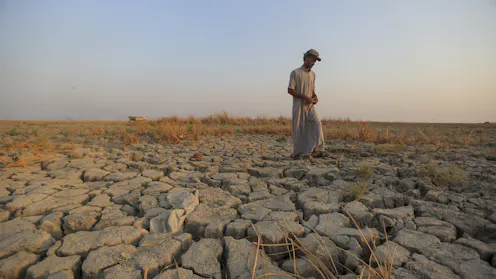
From drought to soil degradation and environmental pollution, why does society overlook the most impactful disasters?
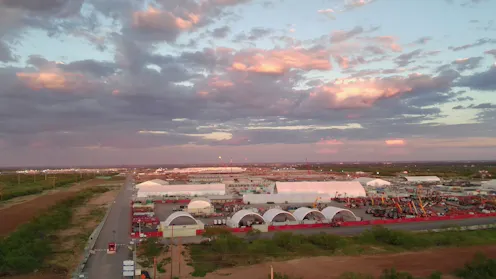
As AI shifts from text to video, its appetite for power and water soars, presenting a climate-policy issue.