
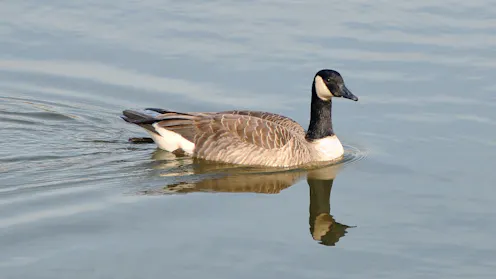
Black soldier fly larvae can convert Canada goose feces into protein and fertilizer, transforming an urban nuisance into an agricultural resource.
Environment + Energy – Articles, Analysis, Comment
Displaying 101 - 125 of 1736 articles
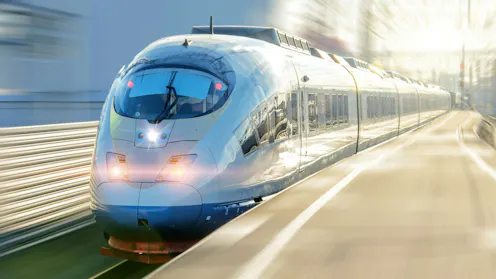
A high-speed rail line could operate without producing significant emissions. But this doesn’t mean it would substantially help Canada’s mitigation efforts.
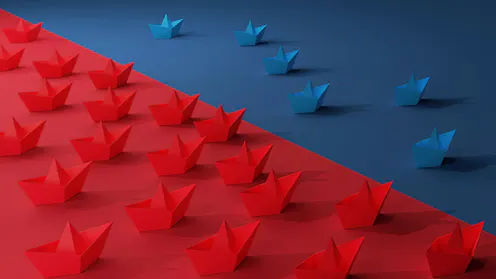
Building broader support for climate action will require engaging people across political lines in ways that reduce, rather than heighten, partisan divisions.
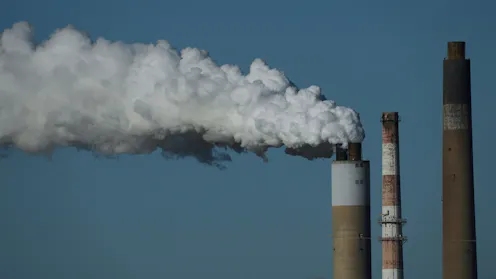
Environmental impacts are often overlooked in supply chain debates. A new framework shows how businesses can respond more fairly and effectively.
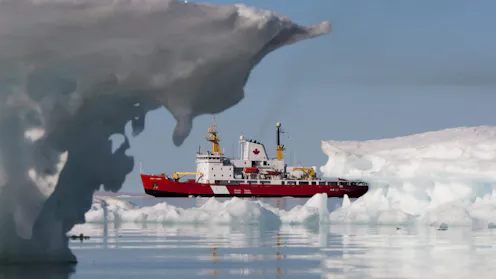
As more ships and tankers sail through the Arctic, the chances of oil spills increase. Canada should take action to prepare for a spill before it occurs.

Climate change is already re-shaping how people engage in sport. Due to warming temperatures, running may become less accessible and safe for many of us.
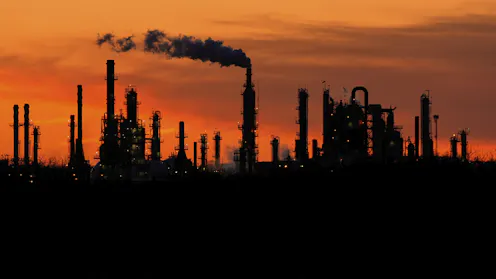
Can a coalition of governments and other stakeholders gathering in Santa Marta make progress where other international efforts have failed?

Although some laws now recognize animals as sentient beings, they’re still treated as property. This contradiction is a societal choice. Has the time come to challenge it?
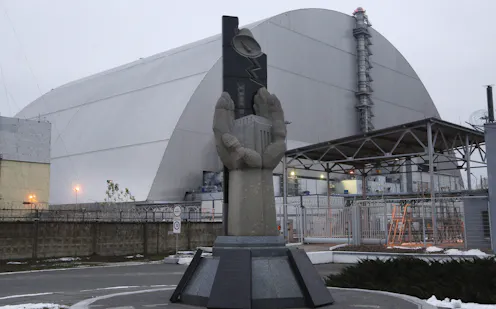
The nuclear incident at Chernobyl spread radiation across Europe and led to political changes that played a role in the collapse of the Soviet Union.
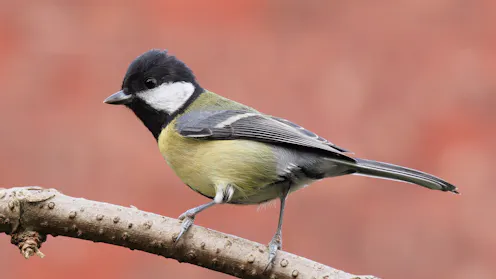
Paris is three decibels quieter than it was 10 years ago, thanks to an effective noise pollution campaign. But traffic noise still forces birds to sing at a higher pitch.
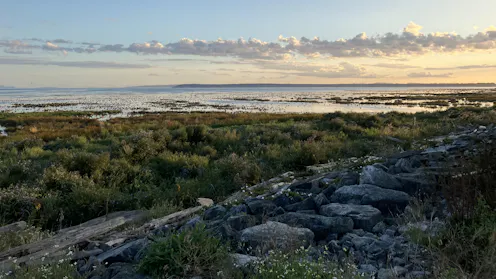
Data shows that almost all of B.C.’s endangered wildlife are not recovering quickly enough, if at all.
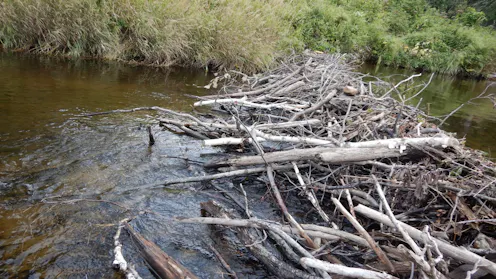
Beaver dams play a key role in the ecosystem but are often considered dangerous, even though they have a limited impact on flooding downstream.
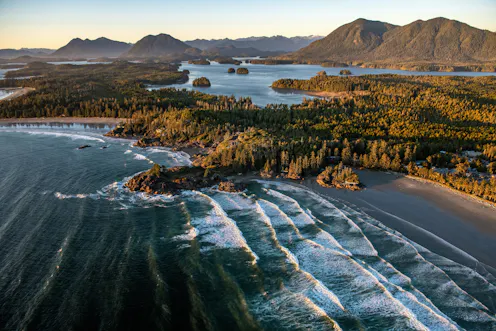
The interpretation that the subduction zone is winding down gets ahead of the science. What the new research actually shows is far more complex and interesting.
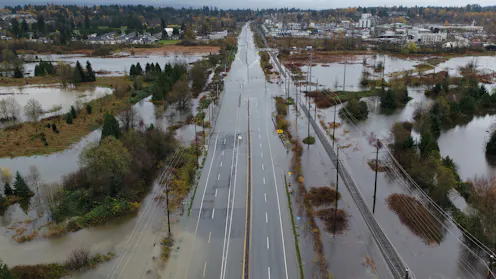
Large floods happen naturally, however, adding or removing forests can change not only their sizes but also how often they occur.

Regenerative agriculture began as a grassroots movement led by farmers. It has been described in many different ways, but a common thread is a set of values.

By identifying the genes that allow plants to pause growth during stress and restart, we can help ensure crops produce reliable harvests in a changing climate.

While automobile manufacturing and steel steal the headlines, the critical minerals and energy sector is now coming centre stage in the CUSMA review.
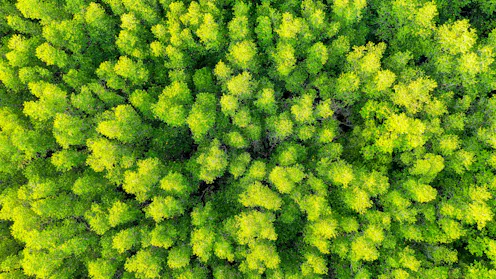
Climate action depends on telling stories that make an impact, clarify stakes and inspire action.

The ability of queen bumblebees to breathe and survive underwater could play an important — and previously overlooked — role in the resilience of threatened bee populations.

A global butterfly index could help track butterfly populations worldwide and how environmental changes are impacting them.
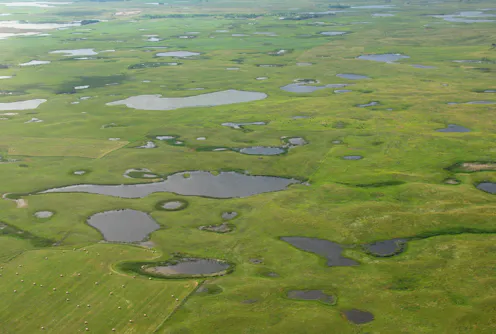
In the Prairie Pothole Region, millions of wetlands fill, spill and connect in ways that defy prediction. Combining hydrology with AI offers a path forward.
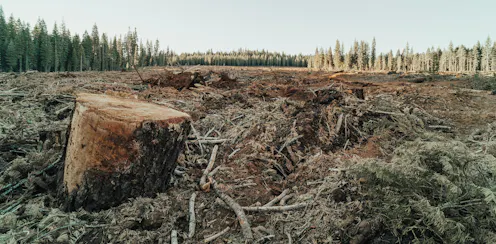
The way we manage forests can undermine their ability to retain water, leading to excess runoff.

The High Seas Treaty requires a secretariat to co-ordinate between parties, service meetings, manage information and keep the machinery running.

Gender inequity is still framed primarily as a problem of access and representation. It is also a governance problem.

Researchers have discovered raccoons to be intrinsically motivated to solve multiple puzzles, even without a food reward.