

Climate action no longer seems to be a priority for Prime Minister Mark Carney, despite his previous activism. This is bad news for Canadians and the climate.
Environment + Energy – Articles, Analysis, Comment
Displaying 226 - 250 of 1736 articles
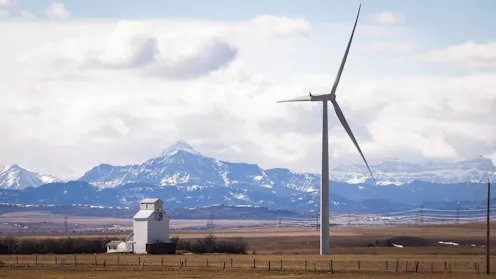
An equitable net-zero transition requires promoting regional competitiveness while ensuring no place is left behind.

A new AI-powered simulation model allows researchers and architects to design well-ventilated indoor spaces that keep harmful smoke away.

With federal departments facing budget cuts, protecting the Prairies’ waters will require a nimbler, collaborative model.
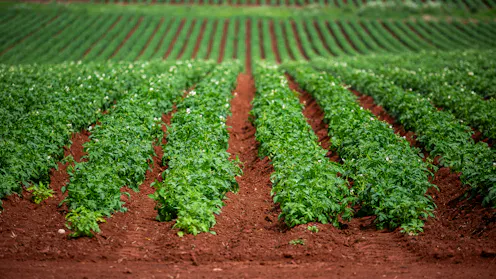
Researchers have developed a tool that allows farmers to quickly and affordably test soil samples, get results in real-time, and obtain fertilizer recommendations.

People with schizophrenia made up almost 16 per cent of deaths in B.C.’s 2021 heat dome. Their experiences show why cooling must be treated as a right, not a privilege.
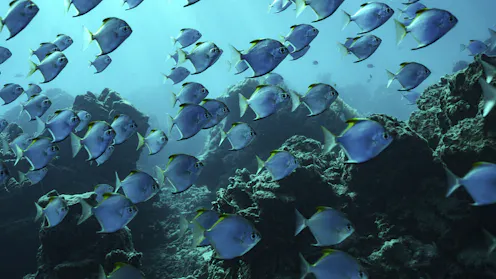
For decades, government subsidies have helped industrial fishing fleets to expand, often with little regard for sustainability.

Canadian officials have pledged more than $43 billion in subsidies to create new low-carbon supply chains. A new study identifies some problems.

Lower, targeted tariffs on Chinese imports would ease financial pressures for Canadian consumers and mitigate Canada’s excessive reliance on the United States.

Incorporating nature-based solutions can help cities meet both their development and climate change goals.

Evacuations do not impact everyone the same way, and Indigenous evacuees can be re-traumatized and treated poorly.

The challenge is not firefighting capacity nor convincing people to help; it is coordinating efforts to prioritize safety and efficiency.

Ottawa’s initiative to quickly approve projects in the ‘national interest’ requires a visible plan for making defensible decisions in the complex and risky world of major projects.

Climate stability and economic health depend on biodiversity. Yet this foundation is hardly mentioned as the federal government seeks to shore up Canada’s economic future.
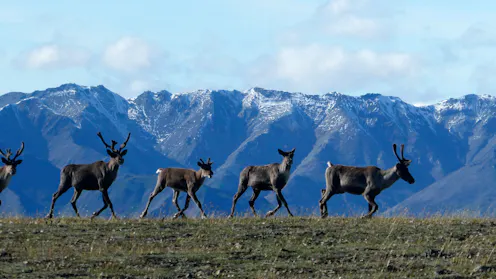
Despite surviving through large climatic fluctuations in the past, future climate warming may cause a drastic decline in caribou populations.
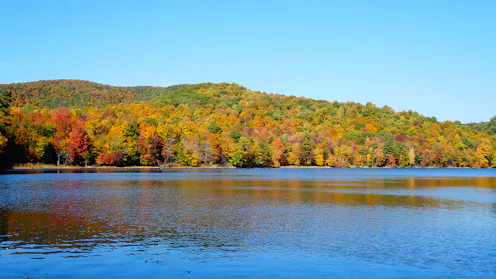
Recent studies have demonstrated that eRNA, previously considered too unstable for field use, can be reliably detected in freshwater ecosystems.
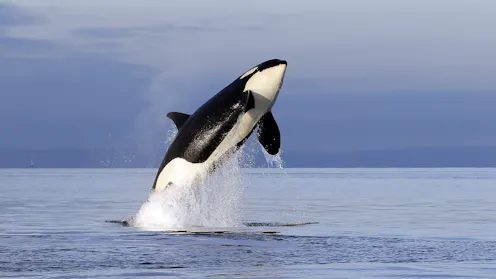
Public and political conversations about environmental management often reduce complex issues to binary opposing opinions.
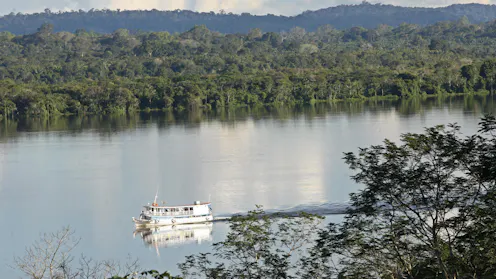
Researchers explain how trees in the rainforest efficiently recycle water through rain to keep themselves hydrated in the dry season.
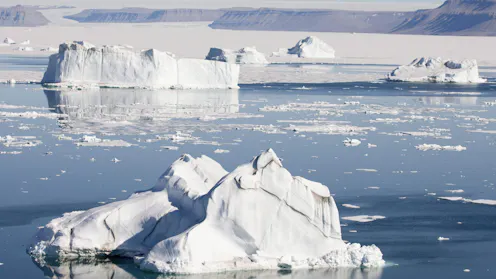
Climate change impacts are nonlinear and unevenly distributed. In the Arctic, rising temperatures affect glaciers’ ability to store water, leading to rising sea levels.

Challenging the long-standing assumption that a cell’s nucleus contains a complete set of chromosomes, recent research reveals that some fungi nuclei only contain half.

IODP Expedition 405 drilled deep underwater in Japan’s subduction zone to uncover why this region generates some of the world’s most powerful and destructive earthquakes.
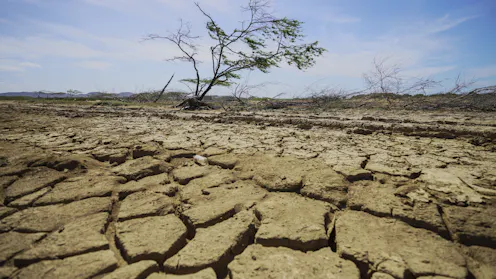
New research has found that a two-year drought can have the same economic impact on a region as a one percentage point increase in the unemployment rate.

Tourist offerings like the Jasper Dark Sky Festival in Alberta can help protect dark skies by generating support among tourists and communities receiving economic impacts.

Researchers highlight the experiences of workers across Canada whose livelihoods and communities have been impacted by climate change.

Overfertilizing crops may improve crop yields in the short term, but adjusting fertilizer levels can help support healthy plant development overall.