

A new material that could change its physical properties signals a huge shift, and could be crucial to the pursuit of a sustainable future.
Environment + Energy – Articles, Analysis, Comment
Displaying 476 - 500 of 1736 articles
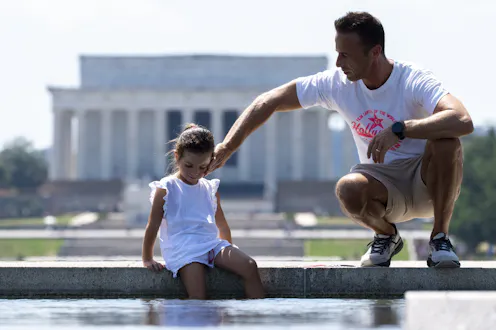
Climate change is a difficult subject at the best of times, even more so when discussing it with older relatives. These three scenarios can help you navigate these discussions.
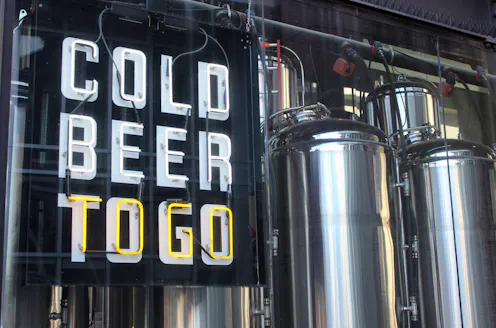
Brewer’s spent grain, the main waste product from the brewery industry, can be used to produce microbeads, replacing plastic in personal hygiene products.

Instead of training high school students for an industry that the world is transitioning away from, we need education on energy alternatives and ways of addressing climate change impacts.

As the Arctic Ocean loses sea ice due to climate change, fisheries access is increasing and large-scale exploitation is on the horizon. Here’s how to manage the uncertainty and the risks.

Mexico waffles on glyphosate ban but support for Agroecology stays strong.
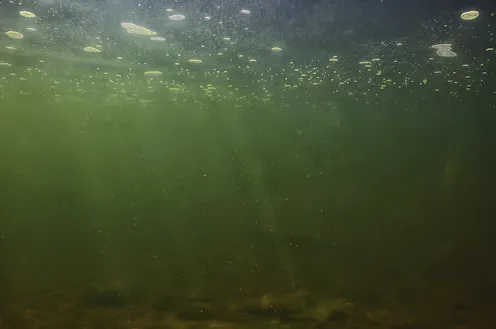
Some plant plankton engage in predatory behaviour and consume bacteria. This can contribute to climate change as these plankton stop photosynthesis in warmer temperatures.
Providing teachers with professional development about trauma-sensitive climate change education would help them support students’ experiences of climate change.
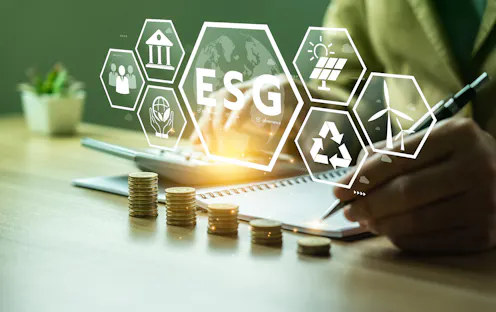
Many firms now report how they are doing along economic, environmental and social lines in what is called a sustainability report. But how effective are they, really?
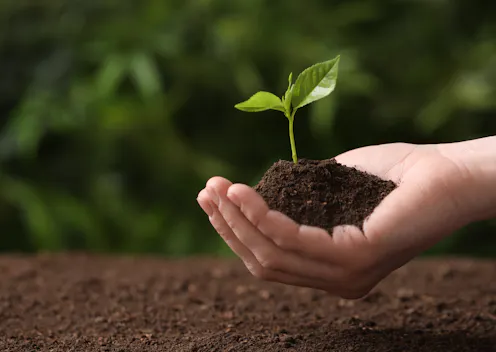
There is growing interest in sustainable death care options like human composting as an alternative to energy-intensive cremation and chemical-dependent and land-intensive burial.
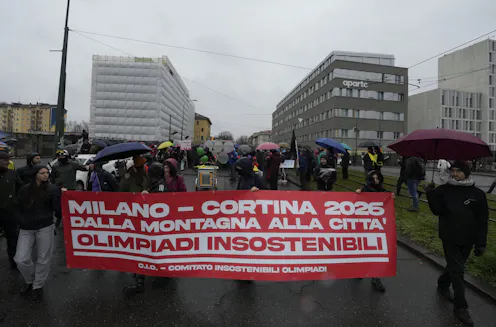
Despite the IOC’s optimistic rhetoric, environmental exploitation by host nations, and the suppression of opposition to such exploitation, have remained a troubling feature of the Olympic Games.
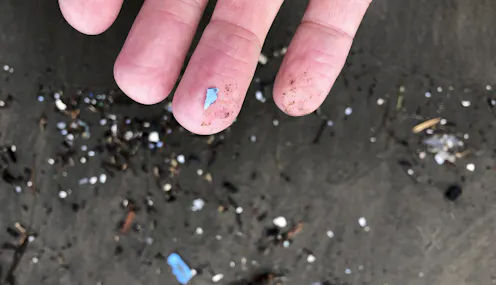
New research shows an abundance of microplastics in the St. Lawrence River and its estuary, where 45 million people live and is home home to several million animals, invertebrates and plants.

The energy transition requires the development of new infrastructure, which can have adverse effects on the environment and on certain communities.

The end of the Northern cod moratorium marks a pivotal moment for Newfoundland and Labrador’s fishing industry, which has grappled with the economic and social impacts of the moratorium for decades.

In a world dominated by fast fashion, building a slower wardrobe is the key to living more sustainably, saving money and standing out among the crowd.

A proposed tariff on electric vehicles may serve its purpose, but fundamental issues with EVs will remain.
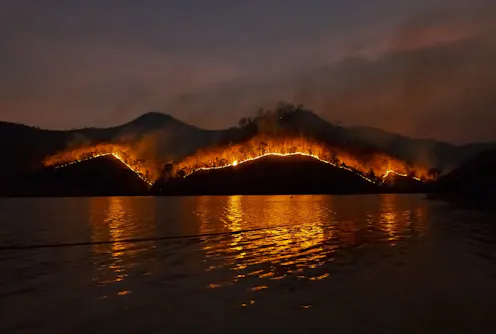
The record-breaking and destructive forest fires of the summer of 2023 made headlines. But how did they affect the millions of lakes in the burned catchment areas?
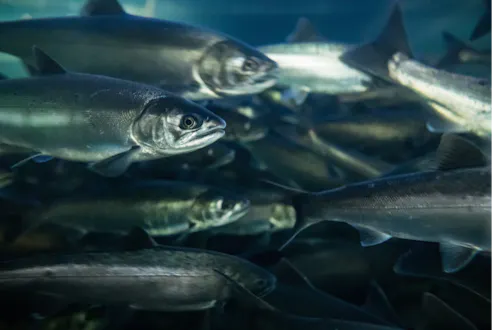
Indigenous knowledge is a boon to environmentally responsible efforts, but only if the data — and its holders — are treated with respect.
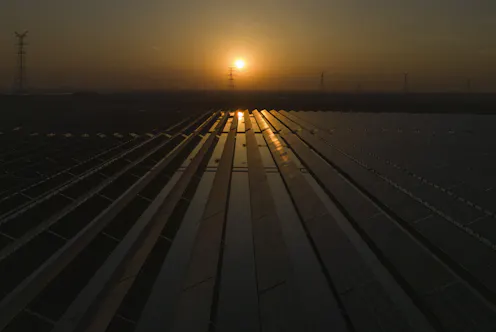
Emotions help shape opinion on energy sources. Understanding this can allow us to design better zero-carbon policies.

H5N1 is the latest evidence that climate change is altering how viruses spread and evolve. It is essential that global public health officials take these dynamics into account.

All canoe trips pass through the territories of Indigenous Peoples who are rightsholders to those lands. How can canoers work to account and reconcile for colonialism in Canada?

Calgarians have been asked to reduce their water use. These simple steps can help us all to reduce our water footprint and save money at the same time.
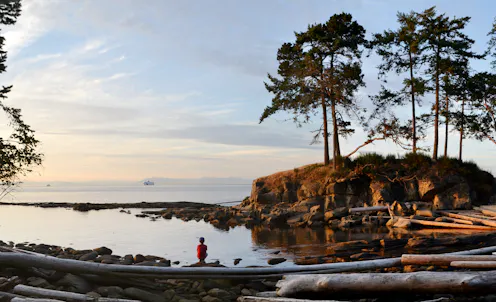
The concept of ‘nature prescriptions’ — where health professionals prescribe patients time outside to improve their health — is gaining traction, but conservation must be part of the equation.
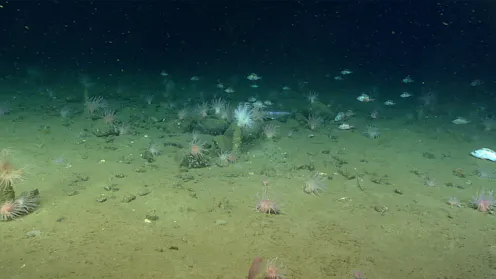
New research has revealed the scale of the carbon-storage potential of the seabeds around Canada, conservation efforts must take this new data into account.
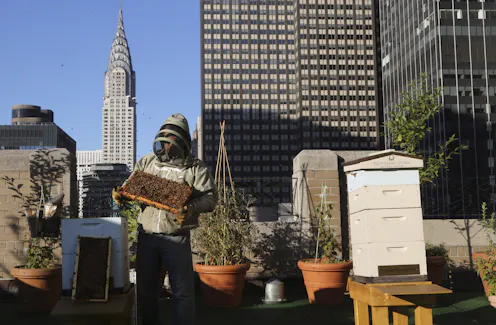
Urban bee hives in Canada face unique challenges and making our cities healthier for bees may just help them become better places for us all.