
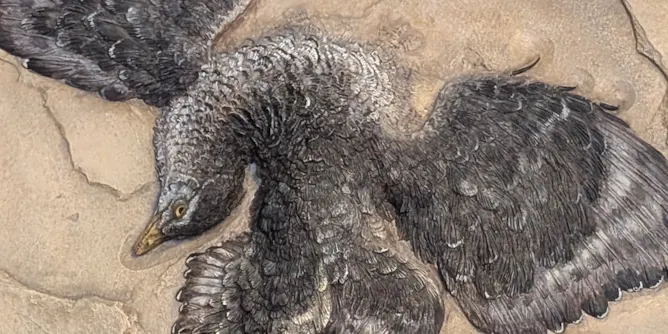
Archaeopteryx is an evolutionary icon for scientists.
Articles on Palaeontology
Displaying 1 - 20 of 235 articles

Researchers managed to extract DNA from African fossils dating back to the last ice age.
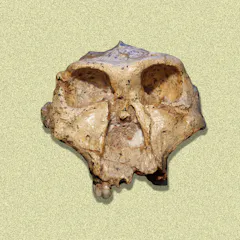
The way we classify humanity’s ancient relatives is a mess. But there’s a simple fix.
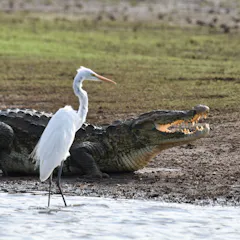
New research suggests crocodiles used to have hot blood and fast metabolisms, but gave it all up to lurk underwater waiting for prey.
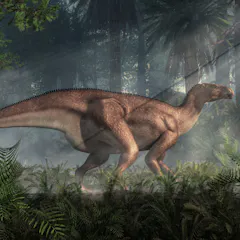
Listen to palaeobiologist Neil Gostling on The Conversation’s Curious Kids podcast talk about how scientists work out what dinosaurs looked like.

A new study has found that layers in the rock record days, not years, representing storms.
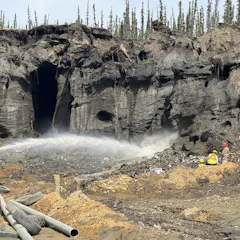
Permafrost holds an extraordinary molecular record of ancient life — and we are only now learning to read it, just as warming begins to erase it.
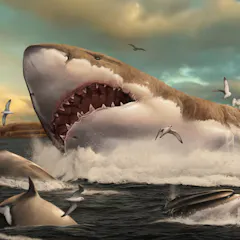
Previously lost fossils sometimes reemerge, but how do palaeontologists end up losing specimens in the first place?
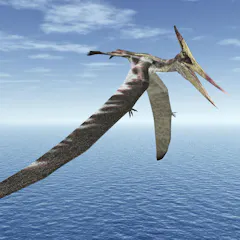
What a prehistoric flying reptile’s bone reveals about its diet – and the future of fossil science.
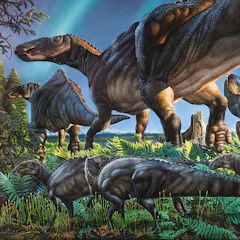
The Arctic was not simply a cold edge of the Cretaceous world, but a place where mammals adapted, diversified, migrated and originated.

Palaeontologists have got a clearer picture of where turtles fit in the animal kingdom, thanks to analysis of a southern African fossil.
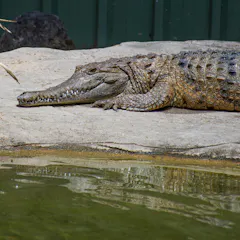
A host of unique crocodylian species ruled the roost in Australia and surrounds for millions of years – until humans came along.
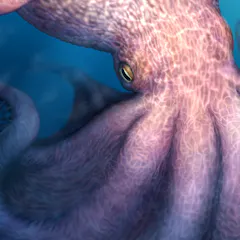
A newly discovered fossil suggests octopuses up to 19 metres long may have hunted in Cretaceous seas.
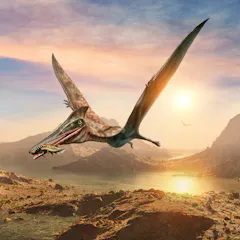
The case of a ‘fishy pterosaur’ is the latest example of mistaken identity involving these extraordinary flying reptiles.
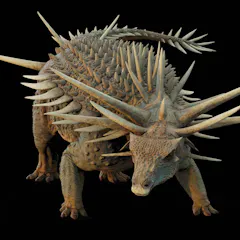
New research from Morocco shows that ankylosaurs evolved much earlier than originally thought. Their iconic tail also had a dual function.
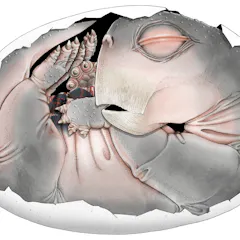
A detailed scan of a fossil therapsid embryo reveals the oldest egg belonging to a mammalian ancestor.

A newly-dated geological timescale will help scientists connect NZ’s deep past to present day hazards, climate change and biodiversity.
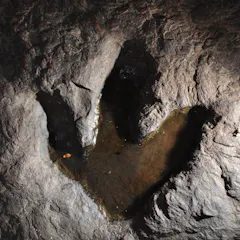
Dinosaur footprints are not perfect snapshots of the feet that made them. AI techniques from photon science can help identify their owner.

A new study shows the woolly rhino was not the inbred, genetically doomed species scientists had thought.
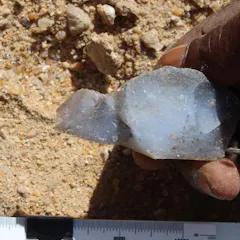
The age of the oldest known Oldowan stone tools from east Turkana has been pushed back by 700,000 years.
Top contributors
-

Professor of Vertebrate Palaeontology, University of Bristol
-
Associate professor in Vertebrate Palaeontology, University of the Witwatersrand
-
Senior Lecturer in Paleontology and Evolutionary Biology, Life Sciences at the University of Bath, University of Bath
-
Professor in Geochronology and Geochemistry, Southern Cross University
-
Technical Specialist in Earth Sciences, University of Bristol
-
Emeritus Strategic Professor in Palaeontology, Flinders University
-
Senior Research Scientist, South Australian Museum; Flinders University
-
Professor, School of Natural Sciences, Macquarie University
-
Professor, Palaeobiology, University College Cork
-
Chancellor's Fellow in Vertebrate Palaeontology, University of Edinburgh
-
Research Associate in the College of Science and Engineering, Flinders University
-
Research Associate, African Centre for Coastal Palaeoscience, Nelson Mandela University
-
Professor of Palaeobiology, University of Portsmouth
-
Lecturer in the School of Applied Sciences, Edinburgh Napier University
-
Associate Professor and Director, Flinders Microarchaeology Laboratory, Flinders University