
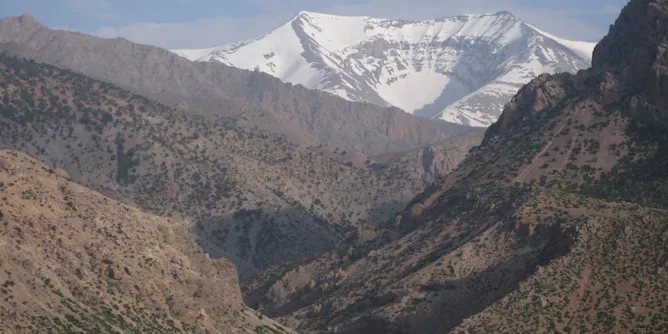
Africa has some of the world’s most important geological landscapes, yet they remain under-represented in digital geoheritage research.
Articles on Fossils
Displaying 1 - 20 of 512 articles

Researchers managed to extract DNA from African fossils dating back to the last ice age.
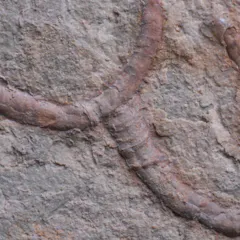
A sulfur-oxidizing bacteria may have turned a hostile environment into an ecological opportunity for the ancient conotubus organism.

The tracks are the first to be found in Canada from this time period.
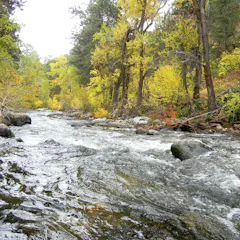
Understanding what happened in these forests 56 million years ago may help humanity recognize similar thresholds before we cross them again, the lead author of a new study writes.
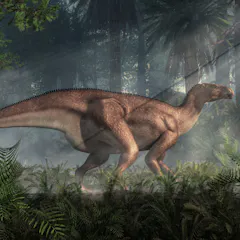
Listen to palaeobiologist Neil Gostling on The Conversation’s Curious Kids podcast talk about how scientists work out what dinosaurs looked like.
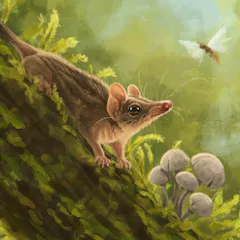
A handful of tiny fossil jaws fill a missing chapter in the evolutionary history of Australia’s most successful marsupial predators.

Sold for a record price of more than $50 million, ‘Gus’ was described by Sotheby’s as more than 60% complete.

A new study challenges conventional thinking about what drove the extinction of megafauna.

New Zealand’s well-documented fossil and living marine fauna allows scientists to explore drivers of extinction risk that are relevant globally.
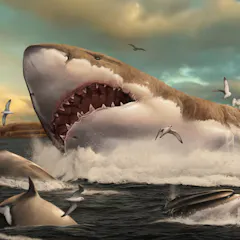
Previously lost fossils sometimes reemerge, but how do palaeontologists end up losing specimens in the first place?
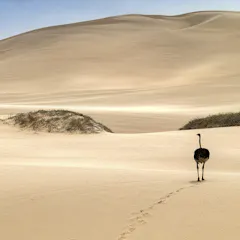
Scientists have extracted atoms from eggshells that are 15 million years old which reveal how plants responded to high levels of carbon dioxide.

State lines are one way to picture the US, but natural history provides another – one that shows the ancient and living connections running across the landscape.
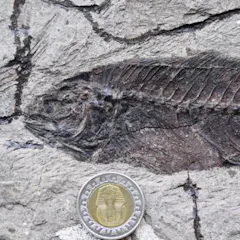
A team of researchers worked grueling, hot hours in the desert to understand the history of life in Earth’s oceans after a major extinction event.

Palaeontologists have got a clearer picture of where turtles fit in the animal kingdom, thanks to analysis of a southern African fossil.
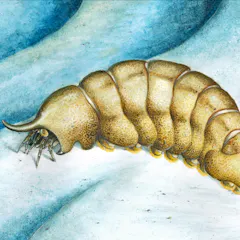
The fossil is a reminder of how incomplete our understanding of Earth’s history remains.

When it comes to evolution, a few million years can really matter.
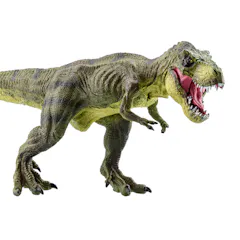
If humans had the same arm proportions as a T. rex, a 6-foot-tall person would have arms about 11 inches long.
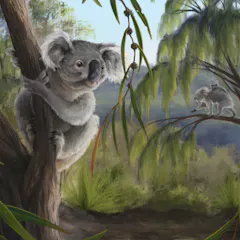
An extinct koala species has been discovered in Western Australia. Climate change 28,000 years ago erased its habitat.
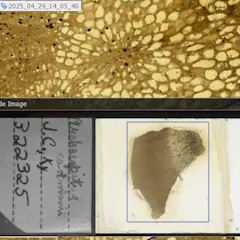
Pollen, algae, insects, radiolarians – each unique microfossil holds clues to how Earth has changed over millions of years. Combining AI with digital scanners helps researchers piece it all together.
Top contributors
-

Research Associate, African Centre for Coastal Palaeoscience, Nelson Mandela University
-
Associate professor in Vertebrate Palaeontology, University of the Witwatersrand
-
Emeritus Strategic Professor in Palaeontology, Flinders University
-
Professor of Vertebrate Palaeontology, University of Bristol
-
Senior Research Scientist, South Australian Museum; Flinders University
-
Associate Professor in Vertebrate Palaeontology, Flinders University
-
Honorary Research Associate, Evolutionary Studies Institute, University of the Witwatersrand
-
Research Associate in the College of Science and Engineering, Flinders University
-
Research Associate, School of Earth and Planetary Sciences, Curtin University
-
Professor of Palaeobiology, University of Leicester
-
Technical Specialist in Earth Sciences, University of Bristol
-
Professor in Geochronology and Geochemistry, Southern Cross University
-
Senior Lecturer in Paleontology and Evolutionary Biology, Life Sciences at the University of Bath, University of Bath
-
Associate Professor in Ancient DNA, University of Otago
-
Lecturer in the School of Applied Sciences, Edinburgh Napier University