
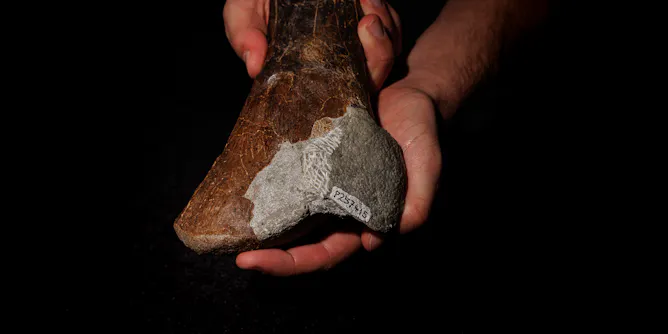
Some of the new finds are the first evidence of these types of dinosaurs from Australia.
Articles on Palaeontology
Displaying 41 - 60 of 235 articles
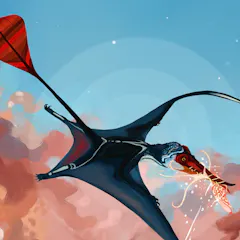
Pterosaurs may help inspire future technology.
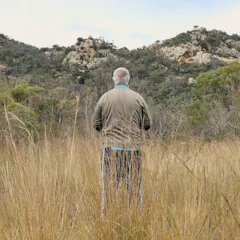
First Nations cultural knowledge has much to share with archaeology, palaeontology and Earth sciences.
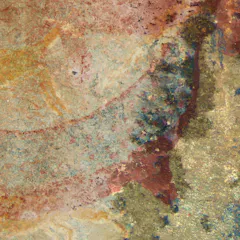
The first inhabitants of southern Africa knew about locally abundant dicynodont fossils and made rock art about them.
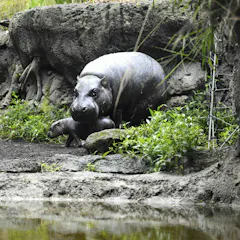
Pig-sized hippos and elephants the size of horses once roamed the lush forests of Cyprus – until humans arrived.
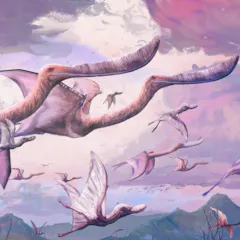
The Jurassic pterosaur’s size was estimated from only its finger bone.
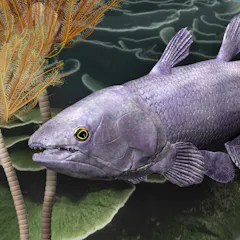
A new Australian coelacanth find has revealed a surprising force behind the slow evolution of these ‘living fossils’.

New 700,000-year-old fossils from island east of Bali hint at ancient shrinking of extinct miniature humans.

Palaeontologist don’t just dig up dinosaur bones – they study the whole history of life on Earth, and uncover clues about its future too.
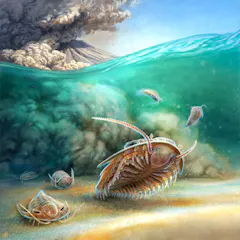
A 500-million-year-old find reveals previously unknown features of the sea creatures responsible for some of palaeontology’s most recognisable fossils.
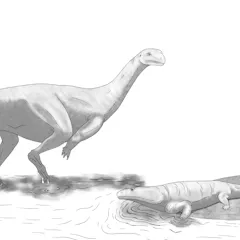
Musankwa is only the fourth dinosaur to be named from Zimbabwe.
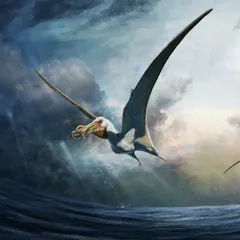
In 2021 a former avocado farmer discovered the most complete pterosaur skeleton ever found in Australia – and new research shows it represents a previously unknown species.
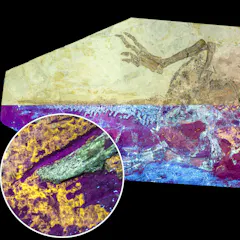
Understanding more about feathers could change the way we think about dinosaurs.

Starfish reproduce by splitting in two. A new fossil reveals how ancient this ability is.
The fossil record suggests Australia may be much wetter, and look far different, in centuries and millenia to come.
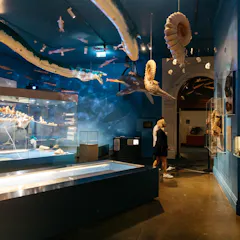
Experts say the ‘reimagining’ of the South Australian Museum will destroy its crucial contributions to science.
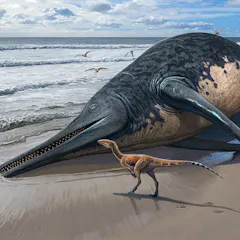
Ichthyosaurs were the last giant reptiles to rule our oceans.

The scarcity of bat fossils is more than a palaeontological puzzle: it has implications for bat conservation strategies today.
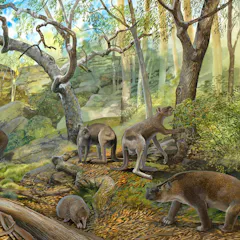
Some extinct kangaroos may barely have hopped at all.

The origin date for flowers is a source of debate among scientists – but a new approach may help bring clarity to the question.
Top contributors
-

Professor of Vertebrate Palaeontology, University of Bristol
-
Associate professor in Vertebrate Palaeontology, University of the Witwatersrand
-
Senior Lecturer in Paleontology and Evolutionary Biology, Life Sciences at the University of Bath, University of Bath
-
Professor in Geochronology and Geochemistry, Southern Cross University
-
Technical Specialist in Earth Sciences, University of Bristol
-
Emeritus Strategic Professor in Palaeontology, Flinders University
-
Senior Research Scientist, South Australian Museum; Flinders University
-
Professor, School of Natural Sciences, Macquarie University
-
Professor, Palaeobiology, University College Cork
-
Chancellor's Fellow in Vertebrate Palaeontology, University of Edinburgh
-
Research Associate in the College of Science and Engineering, Flinders University
-
Research Associate, African Centre for Coastal Palaeoscience, Nelson Mandela University
-
Professor of Palaeobiology, University of Portsmouth
-
Lecturer in the School of Applied Sciences, Edinburgh Napier University
-
Associate Professor and Director, Flinders Microarchaeology Laboratory, Flinders University