

Floods can increase the risk of water contamination. A water safety expert explains how you can ensure your water is safe to drink.
Articles on Natural disasters
Displaying 41 - 60 of 694 articles

A tsunami risk in the Mediterranean is real. Coastal towns like Nice can get “Tsunami ready” by coordinating fast, effective preventive and awareness-raising efforts.
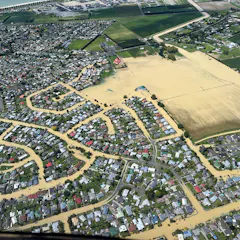
Rising premiums and insurer retreat reflect deeper shifts in risk – and strain on a system built for a different era.

Survivor accounts reveal how quickly evacuation routes become fatal, and why the danger of getting behind the wheel is often underestimated.

When times are tough, household brands and consumer rituals provide a source of comfort, reaffirming family identity and a sense of togetherness.
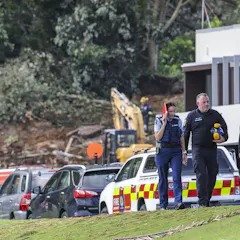
After a series of extreme weather events over the past month, NZ has been reminded that disasters aren’t just acts of nature.

As heavier rain raises landslide risk, gaps in data, law and funding leave New Zealand relying on response rather than prevention.

Scientists can warn of a risk of floods days in advance. But forecasts often aren’t definitive enough to trigger action.
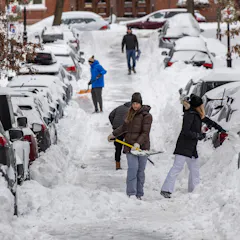
Winter storms create many hazards, from slick ice to freezing temperatures. People often underestimate how quickly conditions can become life-threatening
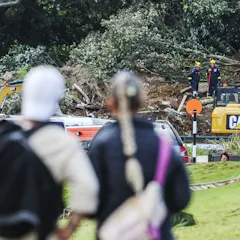
After the fatal landslides at Mount Maunganui, attention has focused on recent tree removal from Mauao. But landslides rarely have simple causes.

Bushfires disproportionately expose disadvantaged communities, and a one‑size‑fits‑all recovery can deepen those inequalities.

Climate disasters are rising and insurance costs are, too. Canada’s poorest are caught in the middle.

Governments and experts need to consider both the frequency and size of floods to better prepare for future ones.
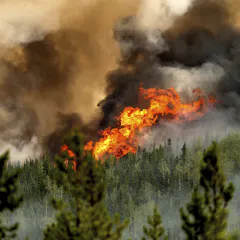
Canadians faces a growing safety crisis yet they remain unprepared. The real danger is complacency.

Wealthy countries promised billions of dollars to help developing nations adapt to climate change, but the result rests on a shaky foundation of fuzzy accounting.
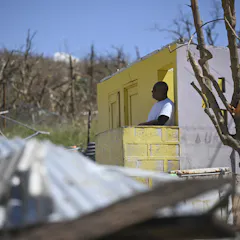
Melissa was just the latest blow, following close on the heels of Beryl. Many islands today have little time to recover before the next disaster hits.
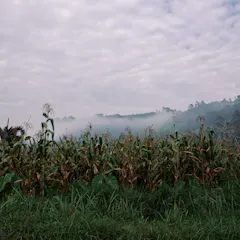
The optimal and safe use of agricultural inputs to increase food production is key to achieving global food security.
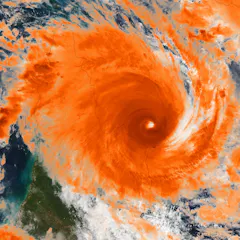
Tropical cyclones can be even more deadly – and for a wider range of reasons – than we ever thought.

Disaster recovery is much harder on isolated islands, and people may migrate away if it’s too slow. Support from Jamaicans in the US, UK and Canada to rebuild for a better future can help.
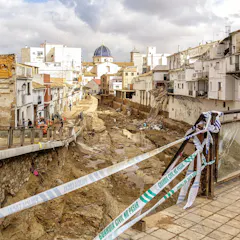
The floods’ death toll was the result of weather and human factors.
Top contributors
-

Professor of Geology and Environmental Geosciences, University of Dayton
-
Honorary Professor of Hazards and Disaster Risk Sciences, University of Sydney
-
Professor of Climate Science, UMass Lowell
-
Associate Professor of Landscape Architecture and Urban Planning, Texas A&M University
-
Professor of Disasters and Health, UCL
-
Professor Emeritus of Geography, Louisiana State University
-
Clinical Assistant Professor of Education, Health and Behavior Studies, University of North Dakota
-
Professor of Political Science, Public Policy and Urban Affairs, Northeastern University
-
Scientia Professor and ARC Laureate Fellow, Kaldor Centre for International Refugee Law, UNSW
-
Professor of Geography, University of Tennessee
-
Professor of Earthquake Science, The University of Melbourne
-
Associate Professor of Civil Engineering, Boise State University; United Nations University
-
Professor of Public Administration, Binghamton University, State University of New York
-
Associate Professor of Human Geography, University of Tasmania
-
Principal Investigator FiRES Project (SNSF Consolidator Grant), ETH Zürich, Switzerland // Honorary Associate Professor, University of Wollongong, Australia.