
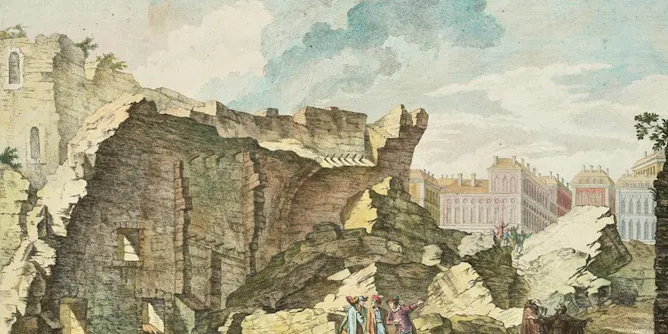
The big questions don’t get much bigger. After the Lisbon earthquake killed thousands, philosopher Voltaire took aim at Gottfried Wilhelm Leibniz and skewered his view that God is good.
Articles on Natural disasters
Displaying 381 - 400 of 694 articles
What is political will or political commitment to disaster risk reduction? Why is it important to measure political commitment? And how to measure it?
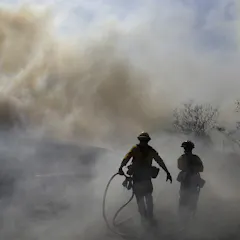
Wildfire smoke makes it harder for firefighters’ bodies to fight off viral invaders. But firefighting conditions make the usual protective measures nearly impossible.
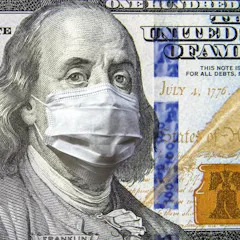
Insurance companies are paying out hefty claims due to COVID-19. Here’s how catastrophe bonds come into play.
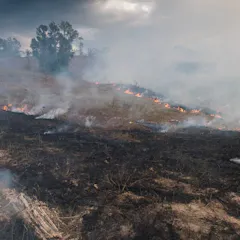
Philanthropy in the form of financial donations is not a solution to the natural disasters caused by climate change. A new philanthropy of social change is needed.
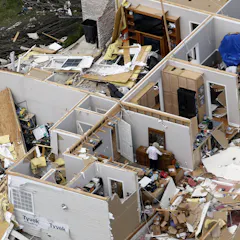
In the Southeast US, tornadoes strike at night more often than in other regions. This poses special challenges for getting early warnings to the public.
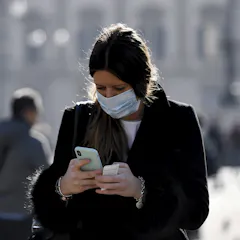
By providing users with pertinent and reliable disaster-related information, Twitter has the potential to reduce the impact of a disaster. So why aren’t public organizations using it properly?
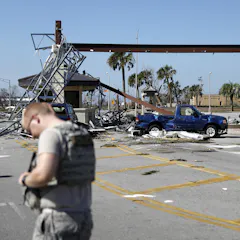
US military leaders have to plan for operations all over the world, so they can’t afford to ignore climate change or debate its causes.
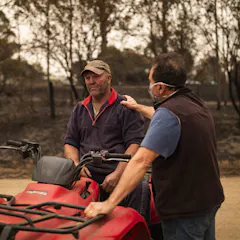
Most of us are familiar with the concept of psychological trauma. But what is collective trauma, and how can we tackle it in the wake of the bushfire crisis?
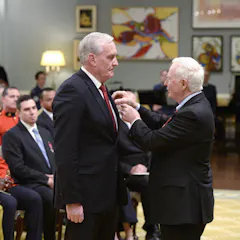
We do a disservice to survivors of major tragedies when we call them “heroes.” Instead, we should change our policies and attitudes to help them truly survive the disaster.

How could a nation like Australia came close to a humanitarian crisis during the recent bushfires? A problem-solving theory called “systems thinking” can help us find out.
Morrison’s hope for clear air for his messages is being stymied by the crisis around deputy Nationals leader Bridget McKenzie, as more damaging information emerges against her in the sports rorts affair.
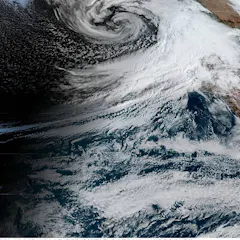
Earth’s biggest rivers are streams of warm water vapor in the atmosphere that can cause huge rain and snowfall over land. Climate change is making them longer, wetter and stronger.
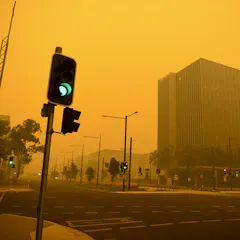
Universities can help students affected by the bushfires by learning from what others have done in past crises.
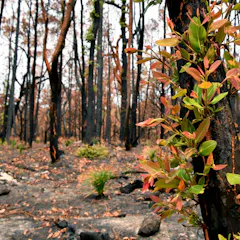
Estimates of the cost of Victoria’s 2009 Black Saturday fires provide a staring point for calculating the much bigger cost of these ones.
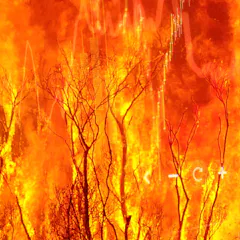
GDP is well suited to many things, but not to measuring the impact of disasters.
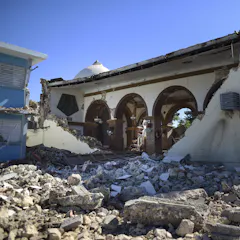
Puerto Rico’s January earthquakes came after many foreshocks and have been followed by numerous aftershocks. Scientists are studying these sequences to improve earthquake forecasting.
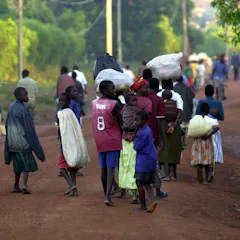
Displaced by a landslide, Ugandan survivors could not speak the language of the region where they were relocated - but music allowed them a voice.
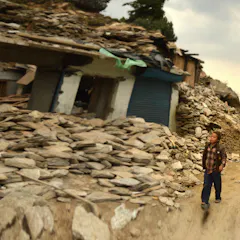
It isn’t always good advice for tourists to stay away. Often their money can help, as well as their skills.
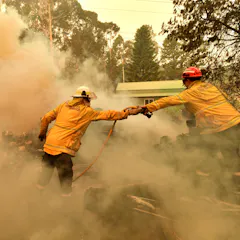
We don’t need to send in the army every time there’s a natural disaster, or create a national fire fighting force. We need to think practically about working together in emergencies.
Top contributors
-

Professor of Geology and Environmental Geosciences, University of Dayton
-
Honorary Professor of Hazards and Disaster Risk Sciences, University of Sydney
-
Professor of Climate Science, UMass Lowell
-
Associate Professor of Landscape Architecture and Urban Planning, Texas A&M University
-
Professor of Disasters and Health, UCL
-
Professor Emeritus of Geography, Louisiana State University
-
Clinical Assistant Professor of Education, Health and Behavior Studies, University of North Dakota
-
Professor of Political Science, Public Policy and Urban Affairs, Northeastern University
-
Scientia Professor and ARC Laureate Fellow, Kaldor Centre for International Refugee Law, UNSW
-
Professor of Geography, University of Tennessee
-
Professor of Earthquake Science, The University of Melbourne
-
Associate Professor of Civil Engineering, Boise State University; United Nations University
-
Professor of Public Administration, Binghamton University, State University of New York
-
Associate Professor of Human Geography, University of Tasmania
-
Principal Investigator FiRES Project (SNSF Consolidator Grant), ETH Zürich, Switzerland // Honorary Associate Professor, University of Wollongong, Australia.