
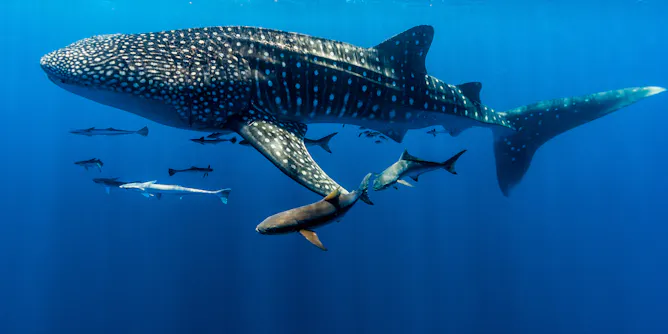
Sharks and rays have been swimming through the oceans for millions of years – but we still don’t really know where.
Articles on Marine conservation
Displaying 1 - 20 of 175 articles
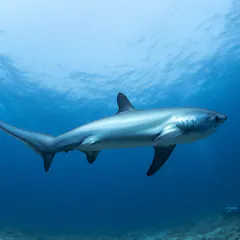
Scientists are working closely with anglers to track the lives of sharks in English waters.
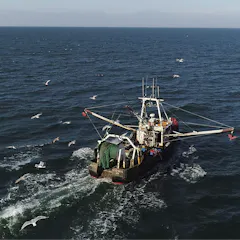
Bottom trawling operates by dragging large, weighted nets across the ocean floor, sweeping up most of the life they encounter along the way and destroying habitats.

Marine protected areas can’t stop pollution flowing in from the land and Northern Ireland’s seagrass meadows are paying the price.
The federal government needs to drop the spin and get on with the hard work of addressing biodiversity loss.
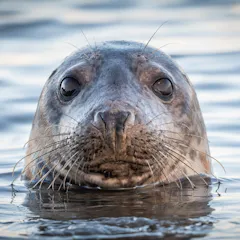
Nets used in the Irish fishing industry could be replaced by other types of fishing to preserve marine life.
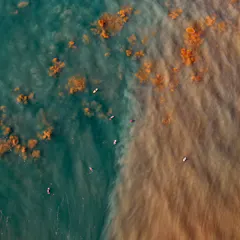
More than a fifth of the global ocean has gradually lost underwater light. But short, intense “marine darkwaves” can be just as damaging for life below the surface.
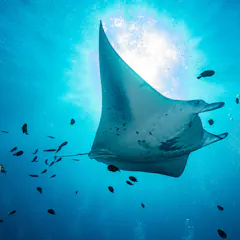
Marine conservationist Callum Roberts explains the significance of the new high seas treaty, and the grey areas it still leaves for our oceans.
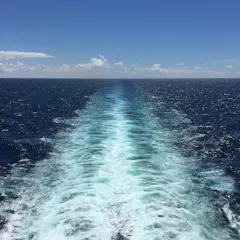
New marine protected areas may hinder lucrative deep sea mining.

The real challenge facing the Mauritian government is how to turn a diplomatic triumph into sustainable economic development.
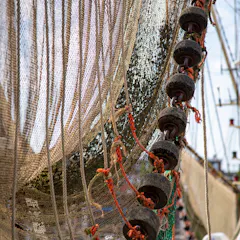
Industrial fishing has caused immense damage to ocean life, but given the right protection, the sea has miraculous powers of recovery.
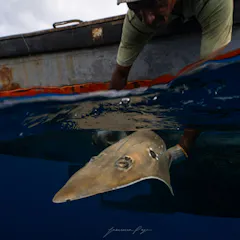
How one project in Indonesia introduced a pay-to-release scheme that encourages fishers to save shark and ray bycatch.

A large tanker has released jet fuel into the sea near crucial seal and seabird breeding spots, say local marine ecologists.
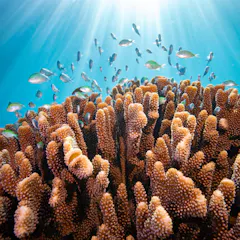
‘The kind of hypoxic stress response we saw in our experiment could go under the radar.’
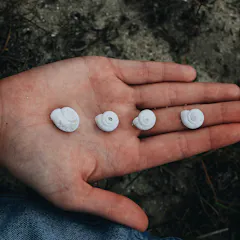
Taking that beautiful snail shell could increase the cost of housing for a hermit crab or small shrimp that needs it next. The beautiful conch shell that calls to you is actually an octopus caravan.
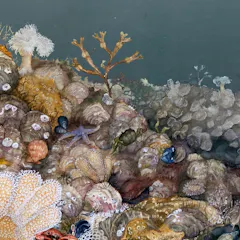
Historical records describe a very different seafloor to the ones we see today.
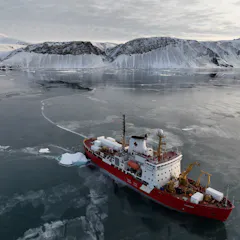
The last ice area is projected to be the last place on Earth to retain year-round sea ice by 2040. A recent Arctic expedition to the area has provided key data that could help guide conservation efforts.
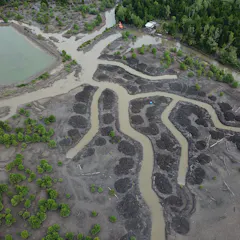
Experts are calling for the end of human-driven mangrove loss, a doubling of the area of mangroves with effective conservation status, and the restoration of half of recently lost mangroves.
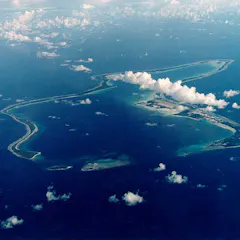
The environmental impacts of a change in management and human activity depends on what, if any, development takes place and how it is managed.

Ocean therapy provides a lens to see, understand and experience the ocean as healing, restorative and health-enabling.
Top contributors
-

Wen Family Chair in Conservation, The University of Western Australia
-
Emeritus Professor of Environmental Governance, UCL
-
Professor of Marine Ecology, University of Technology Sydney
-
Professor, Conservation Biology, The University of Queensland
-
Principal Research Fellow, University of Wollongong
-
Associate Professor in Marine Biology, Swansea University
-
Professor of Marine Conservation, University of Exeter
-
Lead Conservation Scientist, Elasmobranch Institute Indonesia
-
Associate Professor in Ocean Stewardship, Stockholm University
-
Adjunct Professor, Institute for Marine and Antarctic Studies, University of Tasmania
-
Professor of Marine Science, Deakin University
-
Senior Lecturer in Marine Biology, University of Portsmouth
-
Associate Professor of Public Policy, University of Sydney
-
Doctoral Programmes Manager, Nottingham Trent University
-
Associate Professor, Marine Ecology and Fisheries Biology, University of Plymouth; Marine Biological Association