
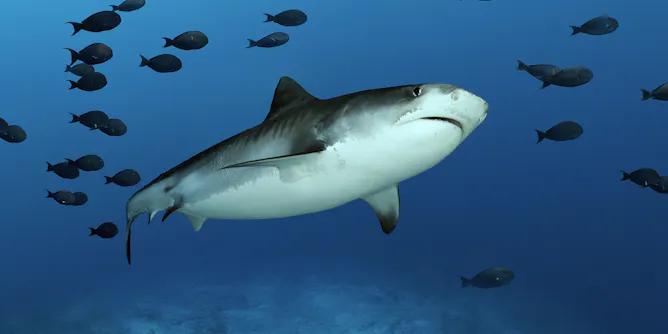
A new initiative is pinpointing areas in the world’s oceans that are key habitats for sharks and their relatives, so that governments can consider protecting these areas.
Articles on Marine life
Displaying 61 - 80 of 215 articles

South of Cape Cod, fiddler crabs and marsh grass have long had a mutually beneficial relationship. It’s a different story in the North, where the harms can ricochet through ecosystems.
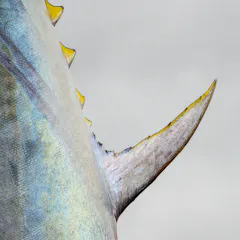
My team studied bluefin tuna otoliths to learn why some populations are recovering faster than others.
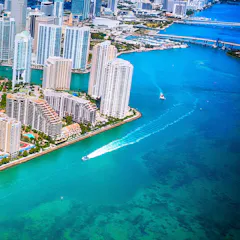
Scientists found PFAS hot spots in Miami’s Biscayne Bay where the chemicals are entering coastal waters and reaching the ocean. Water samples point to some specific sources.
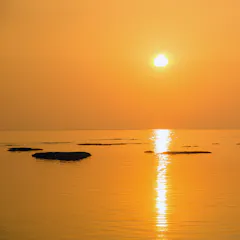
A climate overshoot that creates warmer oceans with lower oxygen levels will reduce the suitable habitat for many marine species long after CO₂ levels have peaked and declined.
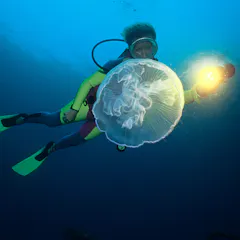
UK is home to a diverse range of jellyfish species – encounters with them may become more frequent as the ocean warms.
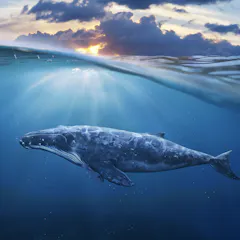
Mounting evidence shows seismic surveys can harm a range of marine animals.
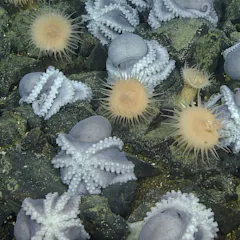
Thousands of pearl octopuses were discovered in 2018 lining thermal vents near a deep-sea volcano. Researchers now know why octopus moms gather there.
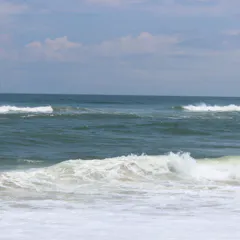
Rip currents are a leading cause of near-shore drownings, but there are effective ways to survive one. And these phenomena also play important ecological roles that are an emerging research area.
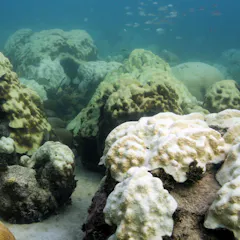
Water temperatures in the 90s off Florida in July are alarming, a NOAA coral scientist writes. Scientists in several North American countries have already spotted coral bleaching off their coasts.

New research shows European lobsters are using the deposits of rocks and boulders at the base of wind turbines as shelter.
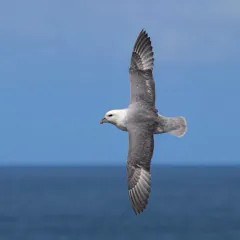
Some of the world’s most threatened birds are exposed to plastic pollution – even far out to sea.
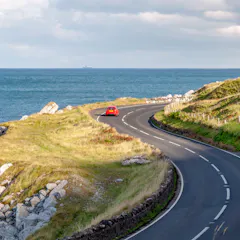
Inflating your cars’ tyres properly isn’t just good for your bank account - it can minimise your environmental footprint too.
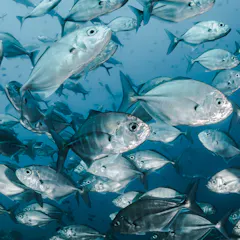
El Niño can trigger intense and widespread periods of extreme ocean warming known as marine heat waves. They can devastate marine life.
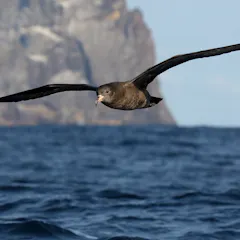
Many marine animals, birds and fish are ingesting plastic. New research identifies the first named health effect from it.
It took almost 20 years. but the world has finally agreed on the so-called High Seas Treaty to better protect marine life in unregulated waters
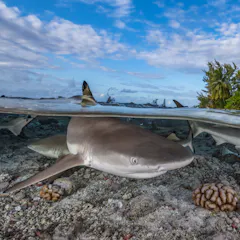
Over 100 shark and ray species were recently added to an international treaty, known as the CITES list, to protect them from the threat of unsustainable and illegal trade.
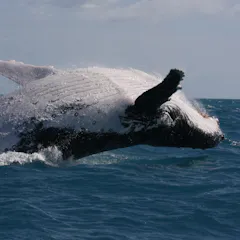
We’ve noticed a clear trend away from singing as a mating tactic among male humpbacks. But it’s probably a pretty good strategy.
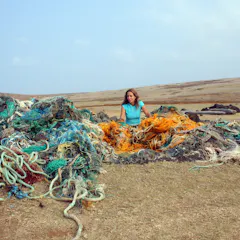
Pam Longobardi collects and documents ocean plastic waste and transforms it into public art and photography. Her work makes statements about consumption, globalism and conservation.
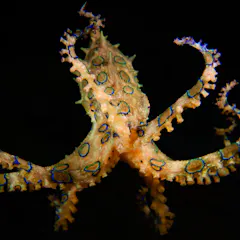
Ranging from 12 to 22 centimetres, these tiny octopus are extremely venomous and found all over Australia. Here’s what to do if you see someone get bitten.
Top contributors
-

Whale Scientist and Lecturer, Faculty of Science and Engineering, Macquarie University
-
Professor and Deputy Vice-Chancellor (Research), University of Sydney
-
Postdoctoral Research Associate, University of Sydney
-
Professor of Marine Botany, The University of Western Australia
-
Senior Principal Research Scientist, Environment, CSIRO
-
Chief Research Scientist - Environment, CSIRO
-
Senior Curator of Marine Invertebrates, Museums Victoria Research Institute
-
Associate Professor, School of Science, Edith Cowan University
-
Professor, Sustainable Marine Futures, Environment Institute, Adelaide University
-
Research Fellow in Marine Ecology, Marine Biological Association
-
Associate Professor of Marine Conservation, University of Plymouth
-
PhD candidate, University of the Western Cape
-
Postdoctoral Research Scientist, Marine Biological Association
-
Curator of Vertebrates, Museum of New Zealand Te Papa Tongarewa
-
Research Fellow, University of Tasmania