
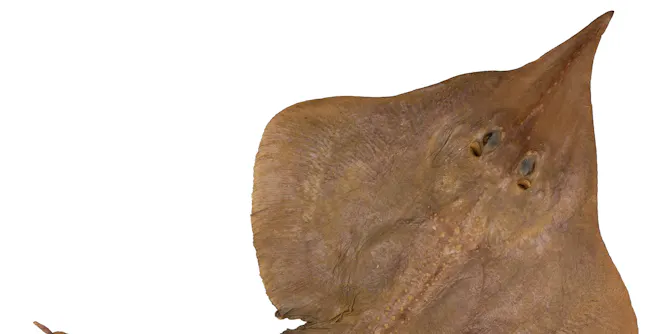
The skate is found in deep waters and it’s not clear how fisheries might threaten the species.
Articles on Marine conservation
Displaying 21 - 40 of 175 articles
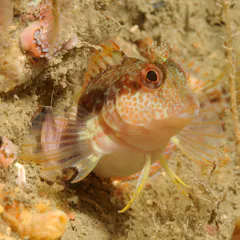
Although marine conservation around Britain has shown some success, many of the tools that are in use today are irrelevant, or missing entirely.
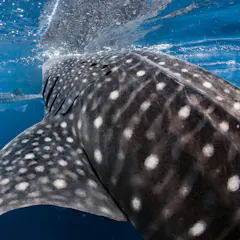
Experts have interviewed fishers, tourism operators and recreational sea users in 50 marine protected areas to see how well any negative human impacts are being reduced.

While they can travel vast distances, our research revealed reef manta rays in Raja Ampat live mostly within a relatively small underwater ‘town’ – which urgently needs better protection.

Egg cases of sharks and rays can be found washed up on the shore. Citizen science data helps scientists understand the life cycles of these marine animals and how to best conserve them.

A new report has found the marine reserve covering the Heard and McDonald islands must urgently be expanded.
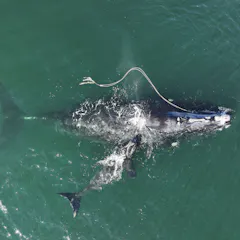
Even when female North Atlantic right whales survive entanglement in fishing gear, it may affect their future ability to breed, increasing the pressure on this critically endangered species.
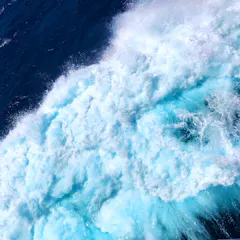
As oceans warm, Canada’s marine protections system looks woefully inadequate. New monitoring systems and flexible governance can help Canada protect the areas most likely to have the greatest impact.

When you buy seafood, you can’t be sure it is what it says it is – and Australian wholesalers are resistant to new traceability technologies.
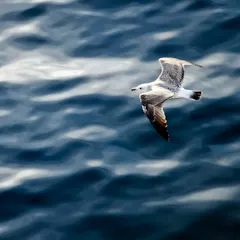
A handful of wealthy states have so far monopolised the benefits of exploring the remote ocean.
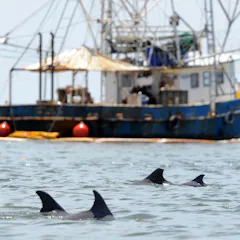
Noisy oceans are having a significant impact on marine life.
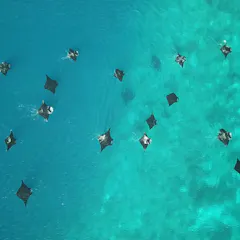
Our new, world-first research provides strong evidence of a significant increase in reef manta rays in protected areas of Raja Ampat over a decade.
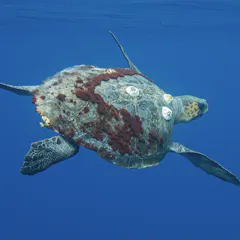
Standard marine protected areas with fixed boundaries can’t effectively shelter these ocean nomads.

Scientists don’t know what prompts turtle hatchlings to emerge from their nests and head for the water, but vibrations appear to play a role.
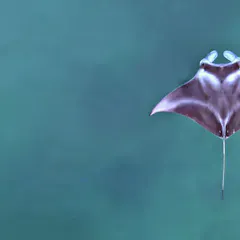
This research provides the most comprehensive and up-to-date description of how young reef manta rays use Wayag Lagoon in Raja Ampat as their nursery habitat.
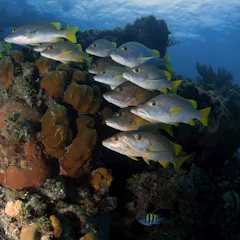
As nations pledge to preserve swaths of ocean within their territorial waters, a marine scientist explains why some marine protected areas shelter ocean life more effectively than others.
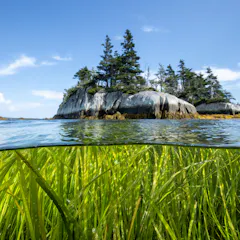
It is time to acknowledge and address the rapid shifts in Canada’s oceans. To meet this challenge, Canada’s marine conservation toolbox — starting with the Oceans Act — needs an overhaul.
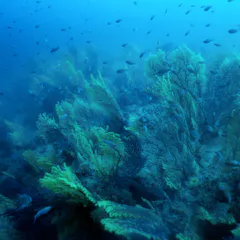
Forming tightly woven populations, these bush-like corals offer a refuge to a myriad of marine species.
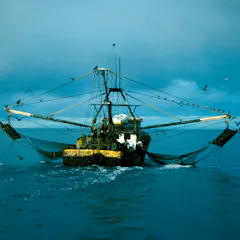
It involves a trade-off between seafood production and seabed conservation.
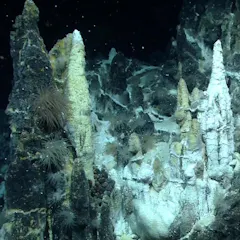
Among the dozens of endangered species, is a spiky snail named after The Clash lead singer, Joe Strummer.
Top contributors
-

Wen Family Chair in Conservation, The University of Western Australia
-
Emeritus Professor of Environmental Governance, UCL
-
Professor of Marine Ecology, University of Technology Sydney
-
Professor, Conservation Biology, The University of Queensland
-
Principal Research Fellow, University of Wollongong
-
Associate Professor in Marine Biology, Swansea University
-
Professor of Marine Conservation, University of Exeter
-
Lead Conservation Scientist, Elasmobranch Institute Indonesia
-
Associate Professor in Ocean Stewardship, Stockholm University
-
Adjunct Professor, Institute for Marine and Antarctic Studies, University of Tasmania
-
Professor of Marine Science, Deakin University
-
Senior Lecturer in Marine Biology, University of Portsmouth
-
Associate Professor of Public Policy, University of Sydney
-
Doctoral Programmes Manager, Nottingham Trent University
-
Associate Professor, Marine Ecology and Fisheries Biology, University of Plymouth; Marine Biological Association