
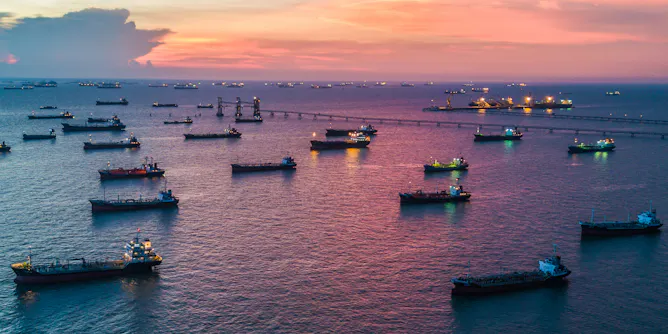
The Great Acceleration inaugurated the Anthropocene in the 1950s. Now, a similar race for resources and space is happening in the ocean.
Articles on Marine conservation
Displaying 61 - 80 of 175 articles
Companies are developing technologies to mine the deep sea, but environmental regulations have yet to be finalized.
As the oceans warm, fish are moving to stay in temperature zones where they have evolved to live. This is helping some species, hurting others and causing a net reduction in potential catch.
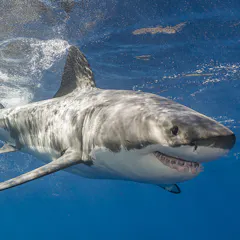
Even the remote open ocean offers no escape from industrial fishing for sharks.
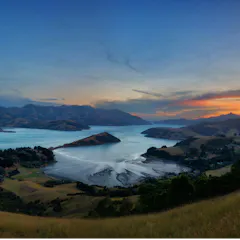
New Zealand has one of the world’s largest ocean territories, but the marine environment is at risk from climate change, pollution and fishing.

Japan’s exit from the IWC should spur on more global cooperation on environmental issues, not less.
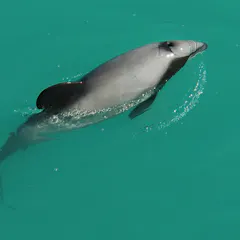
The endangered Hector’s dolphins are found only in coastal seas in New Zealand, but conservation experts describe New Zealand’s proposed protection plan for the marine mammals as misleading.
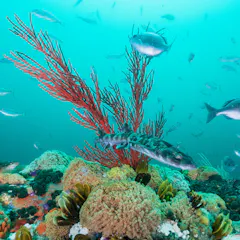
A new network of 20 sites have been declared as marine protected areas in South Africa.

Regulating fish loss and waste is not easy, but it is worth the effort to save $7 billion every year for the benefit of the Indonesian people.

Coral reefs get a lot of attention, but the world has lost almost all of its vital oyster reefs in the last few centuries.
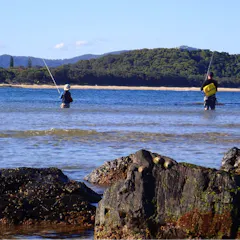
The overwhelming majority of recreational fishers support no-fishing marine sanctuaries.

Nurdles are a raw feedstock used to make most of the plastic products we use everyday, but they’re flooding the ocean as “mermaid tears”.
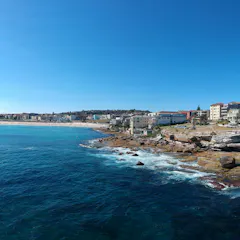
The New South Wales government has turned its back on plans to create sanctuary zones covering 2.4% of waters around Sydney, despite evidence that these ‘no-take’ areas are crucial for protecting fish.

Africa’s remaining sawfishes are found along the coasts of Madagascar and Mozambique. But they are under threat.
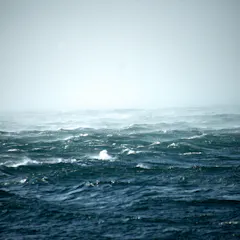
Confrontation between French and British scallop fishers is a warning about the resource conflicts of the future.
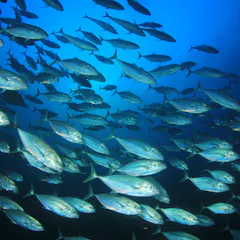
The world has some 500 million square kilometres of ocean. But just 55 million square kilometres remain untouched by intensive human activities such as fishing.

Why do whale sharks come together at just 20 locations around the globe?
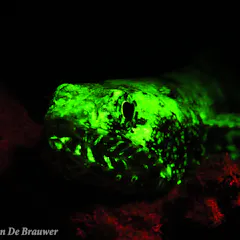
Much of the world’s ocean is teeming with ‘cryptic’ fish species, which are small and hard to spot. But a new technique shines a light on these fish, which may in turn help to keep our seas healthy.
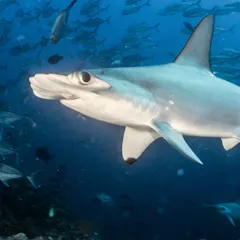
Plankton has a chemical fingerprint that reveals where it came from. Scientists have now used this to track sharks at the opposite end of the food web.
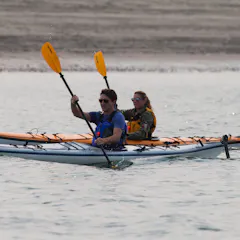
Prime Minister Justin Trudeau has taken swift action on protecting marine areas over the past two years, but he’ll need to continue this momentum if he is to cement his legacy.
Top contributors
-

Wen Family Chair in Conservation, The University of Western Australia
-
Emeritus Professor of Environmental Governance, UCL
-
Professor of Marine Ecology, University of Technology Sydney
-
Professor, Conservation Biology, The University of Queensland
-
Principal Research Fellow, University of Wollongong
-
Associate Professor in Marine Biology, Swansea University
-
Professor of Marine Conservation, University of Exeter
-
Lead Conservation Scientist, Elasmobranch Institute Indonesia
-
Associate Professor in Ocean Stewardship, Stockholm University
-
Adjunct Professor, Institute for Marine and Antarctic Studies, University of Tasmania
-
Professor of Marine Science, Deakin University
-
Senior Lecturer in Marine Biology, University of Portsmouth
-
Associate Professor of Public Policy, University of Sydney
-
Doctoral Programmes Manager, Nottingham Trent University
-
Associate Professor, Marine Ecology and Fisheries Biology, University of Plymouth; Marine Biological Association