
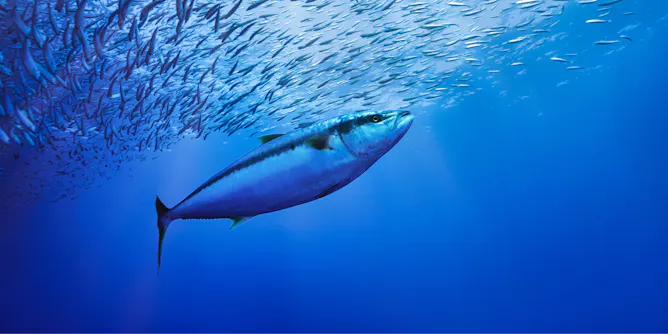
After 20 years of intense debate, the world looks set to have a treaty protecting marine life out beyond national waters.
Articles on Marine parks
Displaying 1 - 20 of 78 articles
Half of Australia’s seas are protected. So why are marine species and ecosystems in freefall?
Protecting 30% of Australian lands sounds good – but what matters much more is whether we’re protecting dwindling habitat for endangered species.
Taking that beautiful snail shell could increase the cost of housing for a hermit crab or small shrimp that needs it next. The beautiful conch shell that calls to you is actually an octopus caravan.
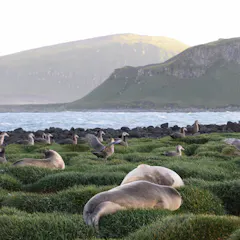
Protections for the Heard and McDonald islands, one of Australia’s wildest and most remote areas, don’t go far enough
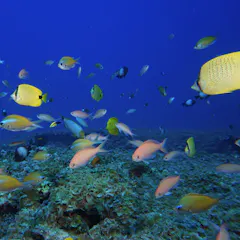
What have global efforts to protect oceans actually achieved? Our study of nearly 2,600 tropical coral reefs around the world is the first to answer that question.
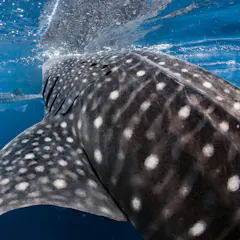
Experts have interviewed fishers, tourism operators and recreational sea users in 50 marine protected areas to see how well any negative human impacts are being reduced.
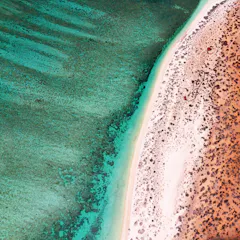
Every living thing leaves traces in its environment. By sampling water or even air for this environmental DNA, we can know which species live where.
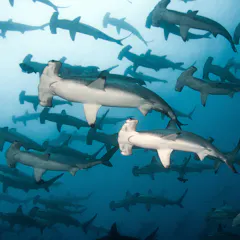
Scalloped hammerheads pose no risk to us – but we pose enormous risk to them. Our discovery of a large new aggregation gives us an opportunity to protect these animals.
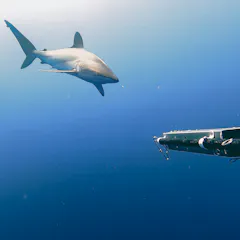
Open ocean sharks are globally threatened with extinction. Knowing where they are helps us protect them. Here, new research into silky sharks reveals priorities for conservation.
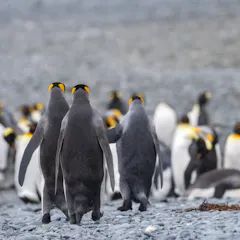
Macquarie Island isn’t just a windswept rock halfway to Antarctica. It’s a globally unique home to dozens of bird and marine mammal species, hence the government’s plans to give it greater protection.
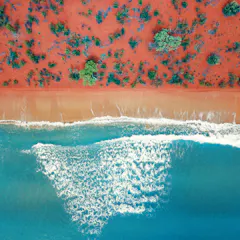
Australia’s protected areas have grown and grown. But at the same time, ecosystems are falling apart. How can that be?
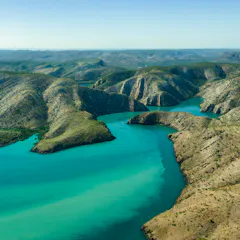
Traditional ecological and cultural wisdom was embraced and valued, enhancing Western scientific knowledge of a beautiful, fragile marine area.
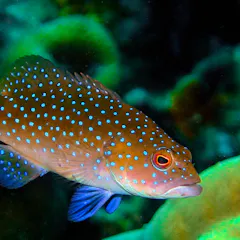
Strictly enforced no-take marine areas benefit everyone, from the fish to fishers.
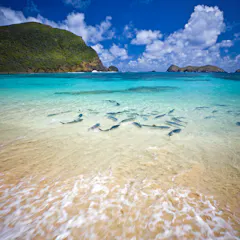
With strategic planning, the marine protected area network could be a third smaller, cost half as much, and still meet the international target of protecting 10% of every ecosystem.
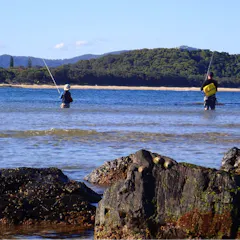
The overwhelming majority of recreational fishers support no-fishing marine sanctuaries.
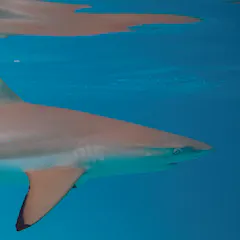
Banning fishing in no-take marine reserves on the Great Barrier Reef does not protect sharks as well as received wisdom would tell you.

Snorkeling off the California coast, a high school student found heaps of golf balls on the ocean floor. With a marine scientist, she showed that golf courses were producing tons of plastic pollution.
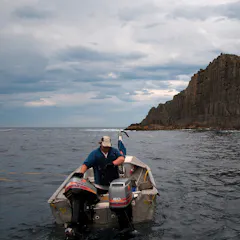
Beginning on Saturday, West Australia’s short, intense abalone season will be open for a total of four hours.
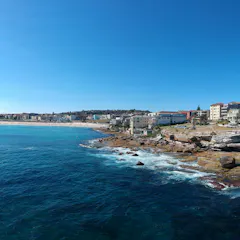
The New South Wales government has turned its back on plans to create sanctuary zones covering 2.4% of waters around Sydney, despite evidence that these ‘no-take’ areas are crucial for protecting fish.
Top contributors
-

Professor of Marine Ecology, University of Technology Sydney
-
Wen Family Chair in Conservation, The University of Western Australia
-
Professor, Conservation Biology, The University of Queensland
-
Professor in Conservation Science, School of the Environment, The University of Queensland
-
Principal Research Fellow, University of Wollongong
-
Research Fellow in marine ecosystems, The University of Western Australia
-
Professor, Conservation Planning, ARC Centre of Excellence for Coral Reef Studies, James Cook University
-
Distinguished Professor of Marine Science, King Abdullah University of Science and Technology
-
Associate professor, Singapore Management University
-
Visiting Fellow, University of Technology Sydney
-
Gary Kendrick is a Friend of The Conversation.
Winthrop Professor, Oceans Institute, The University of Western Australia
-
Professor and Head of School of Life Sciences, University of Technology Sydney
-
Research Associate, Curtin University
-
Honorary Fellow, CSIRO
-
Research scientist, The University of Queensland