
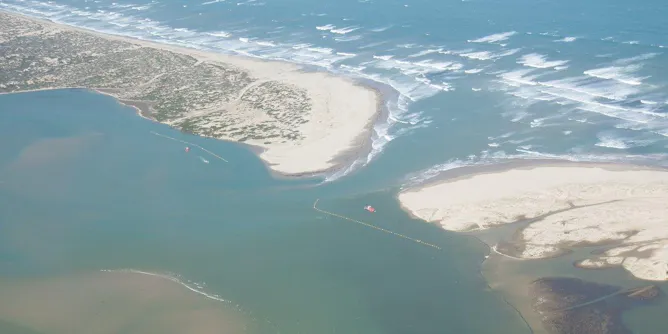
Low flows in the Murray River in recent years have harmed tiny marine plants called phytoplankton, with consequences for local marine species and management.
Articles on Marine conservation
Displaying 81 - 100 of 175 articles
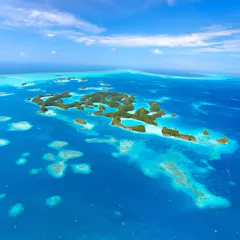
Palau has banned commercial fishing in most of its waters – while encouraging more foreign visitors.
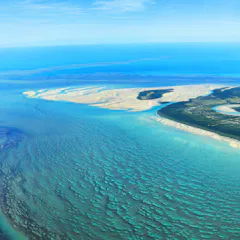
Australia’s reputation as a global leader in marine conservation is being put at risk by plans to strip back sanctuary areas within marine parks, say scientists from around the globe.
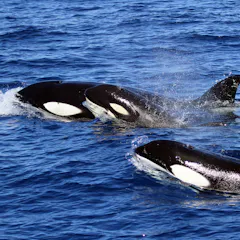
The government aims to dramatically reduce the areas offered full protection and expand zones where fishing is allowed, while also claiming that this will still deliver good conservation.
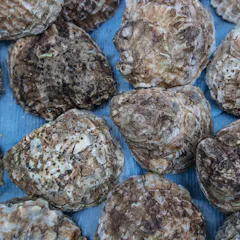
A century after they vanished, oysters have returned to the Dornoch Firth thanks to an ambitious natural cleaning project
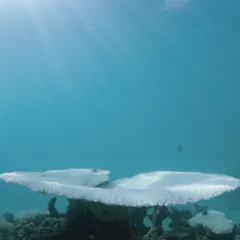
The Great Barrier Reef is in crisis, as a second wave of coral bleaching hits. But the system of bodies and laws that protect it are getting more complicated – and less productive.
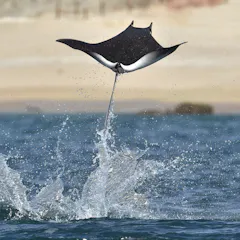
Technology will help in fight to save celebrated creatures, as new law comes into force.

Prized species such as sea cucumbers are increasingly being poached from Australian waters. But if foreign aid can give fishing crews alternative livelihoods, the problem could ease.
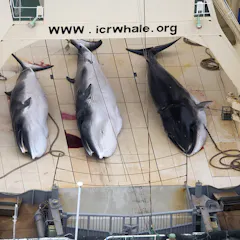
Australia’s new resolution will apply stricter monitoring to the special permits that allow some nations to continue whaling. But the new rules are non-binding, meaning countries are free to ignore them.
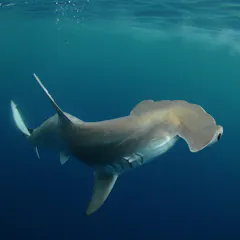
New South Wales wants to extend its shark net program after a spate of attacks in the north of state.
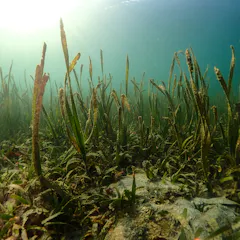
Seagrass is more than just a bit of sea greenery.
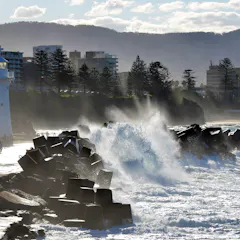
We’ve building in the sea for centuries, and it’s putting our oceans out of balance.
More of Australia’s oceans should be placed under high protection, according to the latest marine reserves review.
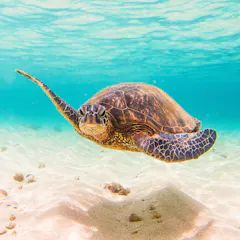
Huge reserves in the middle of the Pacific are fine, but what about conservation closer to home?
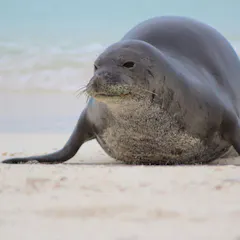
The Papahānaumokuākea Marine National Monument is huge win for preservation, but it also poses outsized management challenges for the National Park Service.
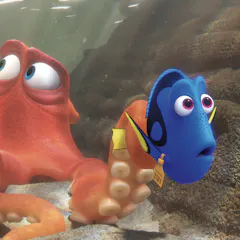
Hollywood shirks its ethical responsibilities when it comes to vulnerable animal species.

Tiny animals along for the ride, called epibionts, could be used as living data-loggers. Researchers can glean info from them that could help inform turtle-friendly fisheries management decisions.

The 2011 Japan tsunami illustrates how more marine creatures are crossing the oceans than ever before - and not all of them are friendly travellers.
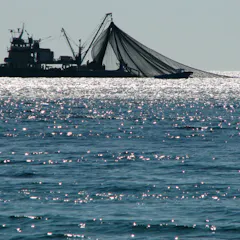
Fish numbers are rapidly dwindling globally, and fishery subsidies are one of the key drivers behind this decline.
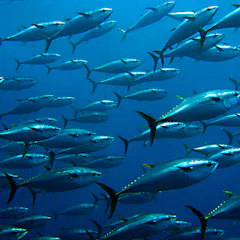
Over the past five years we’ve seen a significant increase in research on ocean acidification and warming seas, and their effect on marine life. Overall, unfortunately, the news is not good.
Top contributors
-

Wen Family Chair in Conservation, The University of Western Australia
-
Emeritus Professor of Environmental Governance, UCL
-
Professor of Marine Ecology, University of Technology Sydney
-
Professor, Conservation Biology, The University of Queensland
-
Principal Research Fellow, University of Wollongong
-
Associate Professor in Marine Biology, Swansea University
-
Professor of Marine Conservation, University of Exeter
-
Lead Conservation Scientist, Elasmobranch Institute Indonesia
-
Associate Professor in Ocean Stewardship, Stockholm University
-
Adjunct Professor, Institute for Marine and Antarctic Studies, University of Tasmania
-
Professor of Marine Science, Deakin University
-
Senior Lecturer in Marine Biology, University of Portsmouth
-
Associate Professor of Public Policy, University of Sydney
-
Doctoral Programmes Manager, Nottingham Trent University
-
Associate Professor, Marine Ecology and Fisheries Biology, University of Plymouth; Marine Biological Association