
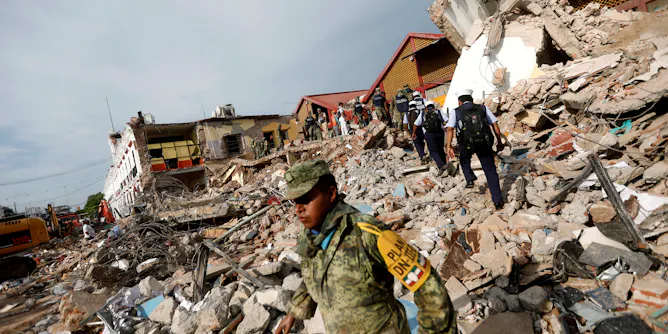
Shattered by powerful back-to-back earthquakes, Mexico is facing daunting damages across six states. Now Chiapas and Oaxaca, the country’s two poorest states, which were hit first, fear neglect.
Articles on Earthquakes
Displaying 221 - 240 of 336 articles
The Tehuantepec gap in southeastern Mexico, where this month’s massive earthquake originated, was long thought to be ‘aseismic.’ On September 7, scientists learned otherwise.

A 8.1 magnitude earthquake hit off the coast of Mexico on 8 September 2017. Fortunately, initial fears of a damaging tsunami hitting the coastline now appear unfounded.
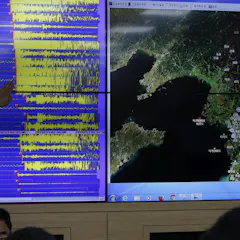
Within hours of North Korea’s latest underground nuclear test, Japan and South Korea were both able to independently confirm it had happened. How?
Sometimes ‘stuff’ isn’t just stuff.
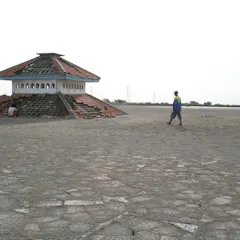
The world’s largest mud volcano has consumed several villages, but we’re no closer to the answer of how and why it began.
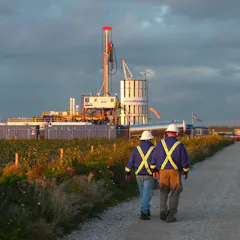
From crossing a road to fracking for oil, everything has inherent risks. At best, we can only aim to agree that, on balance, they are contained and justified.
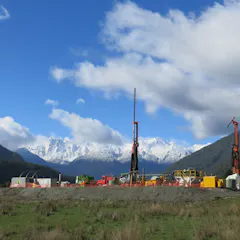
An international team discovers extreme underground conditions at New Zealand’s Alpine Fault, which is due to rupture in a major earthquake in the next few decades.

Two years after the second earthquake rocked Nepal in 2015, the recovery efforts have been stalled by political instability and money mismanagement.
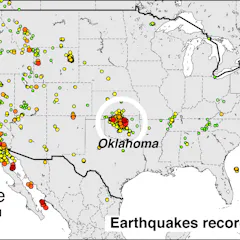
Oklahoma is trying to limit the number of earthquakes caused by oil and gas extraction, but some existing faults there – which could be activated by wastewater injection – have never been mapped.
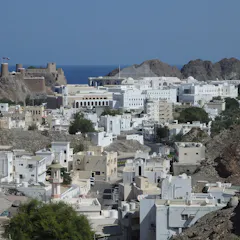
A new study suggests the enigmatic Makran region could see a magnitude 9 earthquake.
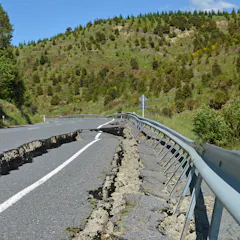
Research into the 2016 Kaikoura quake revealed a domino effect that could change our understanding of seismic events worldwide.
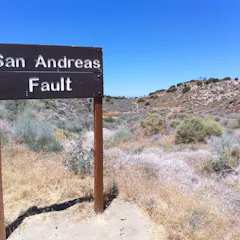
Can California’s wet weather make earthquakes more likely? Scientists are still learning about what triggers these events. Even human activity can be a culprit.
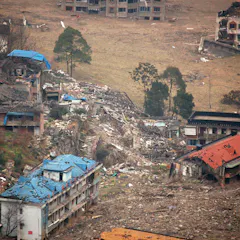
A new project tracks earthquakes accidentally induced by human activity. It suggests the problem is bigger than some scientists thought.

This special dampening material could also protect buildings from earthquakes.

Recent research contradicts the belief that a period of calm usually follows a serious earthquake.

Those communities affected by the Fukushima Daiichi nuclear accident are having their resilience tested once again.
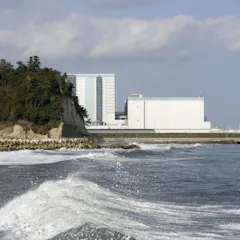
The latest earthquake off Japan’s east coast was an ominous reminder of the 2011 Fukushima disaster. But despite a technical hitch at one of Fukushima’s other reactors, there was no repeat this time.
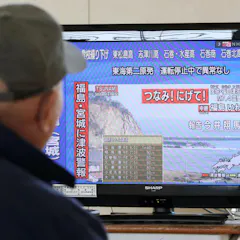
Japan’s response to a tsunami threat following major earthquake shows it has learned much from past events, including the deadly quake and tsunami that disabled the Fukushima nuclear power plant.
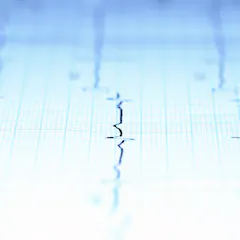
Potentially deadly and dangerous earthquakes can strike at any time. But can authorities get some early warning from monitoring the hundreds of small quakes that usually go unnoticed?
Top contributors
-

Professor of Earthquake Science, The University of Melbourne
-
Earthquake Scientist, Monash University
-
Professor in Earth Sciences, Nanyang Technological University, Singapore, and Emeritus Professor of Mineral Physics, University of Cambridge
-
Adjunct Research Fellow, Curtin University
-
Reader in Physical Geography and Natural Hazards, Coventry University
-
Professor of Geophysics, Durham University
-
Professor, Australian National University
-
Honorary Professor of Tsunami Research, PANGEA Research Centre, UNSW Australia, UNSW
-
Honorary Fellow in Structural Geology and Tectonics, The University of Melbourne
-
Senior Scientist in Disaster and Climate Risk at Earth Sciences NZ & Senior Research Fellow (adjunct), Humanitarian Emergency and Disaster Management, Charles Darwin University
-
Professor of Geophysics and Department Head, Colorado State University
-
Redmond Barry Distinguished Professor Emeritus, The University of Melbourne
-
PhD Candidate & Researcher, School of Architecture, Université de Montréal
-
Honorary Professor of Hazards and Disaster Risk Sciences, University of Sydney
-
PhD Candidate in the Department of Earth Sciences, Durham University