
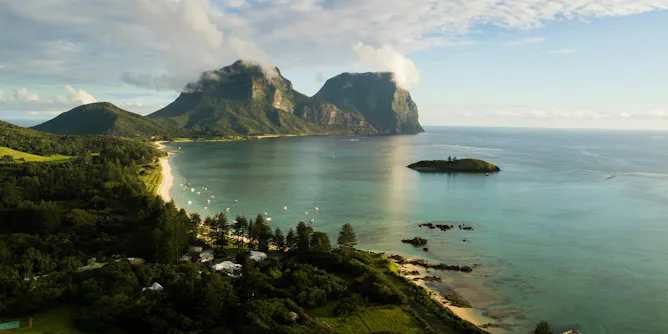
A new study unearths the deep Earth connection between Lord Howe Island and its sibling chain of drowned volcanoes.
Articles on Plate tectonics
Displaying 1 - 20 of 87 articles
The discovery of Gondwana’s buried bits helps settle the question of whether it was a supercontinent.
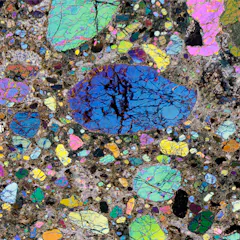
Studying the mineral olivine in kimberlite sheds some light on diamond origins.
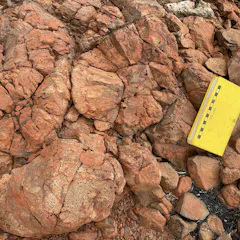
Today, plate tectonics carry water into Earth’s depths. But this deep water cycle goes back much further.
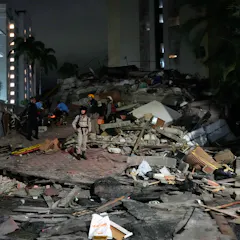
The two deadly earthquakes happened just 39 seconds apart, but were seismologically distinct.
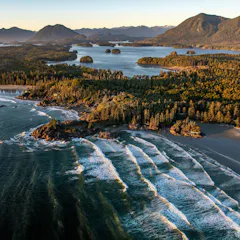
The interpretation that the subduction zone is winding down gets ahead of the science. What the new research actually shows is far more complex and interesting.
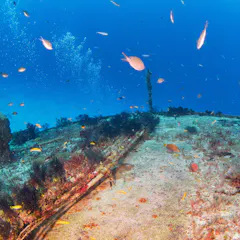
Existing underwater fibre optic cables could help monitor tectonic movement on the ocean floor.
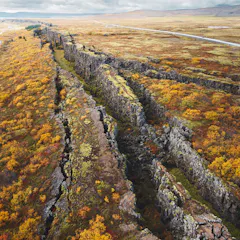
Earth has experienced many icehouse and greenhouse climates. A new study shows how they connect to plate tectonics.
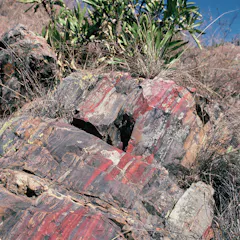
Young Earth was a blue planet covered in oceans, much like today. But the atmosphere was a lethal cocktail of gases, with no oxygen.
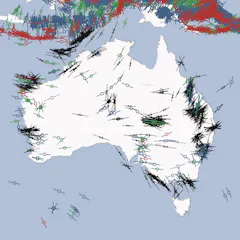
Australia is a long way from the tectonic plate boundaries where most earthquakes happen – but we can’t escape the forces they create.
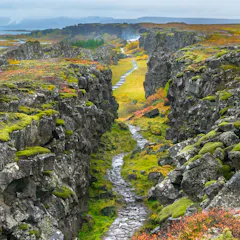
The study also provides a new approach to solving one of the biggest enduring scientific mysteries: when did plate tectonics begin?
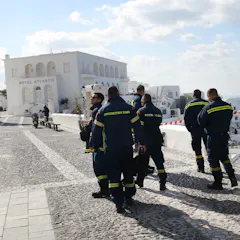
Several thousand earthquakes have been recorded near the Greek island since late January. So why is this happening?
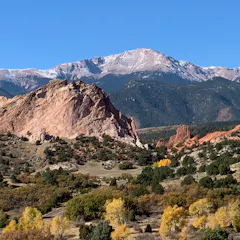
Geologists found evidence in the way enigmatic sandstones called Tava formed in the Rocky Mountains hundreds of millions of years ago.
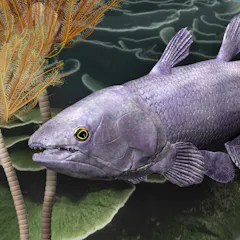
A new Australian coelacanth find has revealed a surprising force behind the slow evolution of these ‘living fossils’.
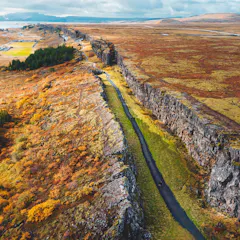
The first time Earth’s geologic record – information found inside rocks – has been used to create an animation of this kind.
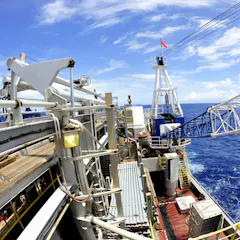
The National Science Foundation says that the JOIDES Resolution has become too costly to fund. But scientists say its $72 million annual budget pales compared with discoveries the ship has enabled.
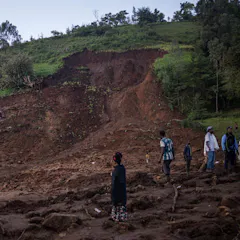
Half of Ethiopia’s territory is prone to medium to very high landslide risk.
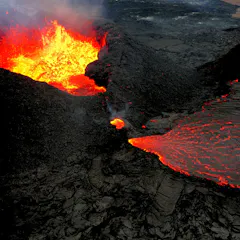
The eruptions that began in 2021 in Iceland could last for centuries, which is bad news for Icelanders but good news for scientists seeking to understand how the inner Earth works.
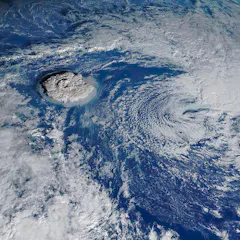
New research comparing the geology of southern Africa with the deep seafloor near New Zealand challenges conventional views of how the planet behaved when it was very young.

Iceland is known as ‘the land of fire and ice’ for a reason.
Top contributors
-

Professor of Earthquake Science, The University of Melbourne
-
Earthquake Scientist, Monash University
-
Professor of Geology, West Virginia University
-
ARC DECRA Fellow, School of Geosciences, University of Sydney
-
Emeritus Strategic Professor in Palaeontology, Flinders University
-
Professor of Geology, Adelaide University
-
Associate Professor of Earth, Environmental, and Planetary Sciences, Washington University in St. Louis
-
Associate Professor in Geophysics, Te Herenga Waka — Victoria University of Wellington
-
Harold T. Stearns Professor of Earth Science, Wesleyan University
-
Associate professor, University of Tasmania
-
Honorary Fellow in Structural Geology and Tectonics, The University of Melbourne
-
Honorary researcher, The University of Melbourne
-
Professor of Geophysics, University of Sydney
-
Lecturer in Geoscience, Queensland University of Technology
-
Associate Professor of Earth and Planetary Sciences, University of Tennessee