
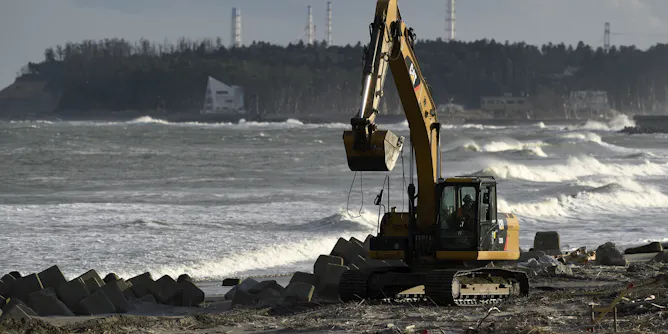
Scientists are setting Japan on the road to recovery, using data to protect against future disasters.
Articles on Earthquakes
Displaying 261 - 280 of 336 articles
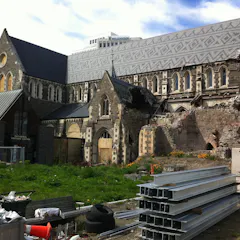
Christchurch is still reeling from the 2011 earthquake, but there may be more on their way.

The 2011 Japan tsunami illustrates how more marine creatures are crossing the oceans than ever before - and not all of them are friendly travellers.
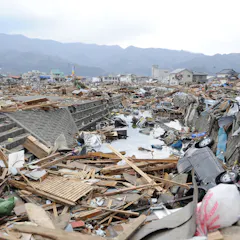
Our climate is changing. But many of the devastating repercussions are little understood.
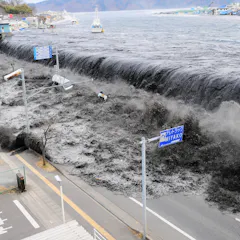
There was something unusual about the 2011 earthquake which caused so much damage in Japan. We should now look at other risk zones to see if something similar could happen there too.
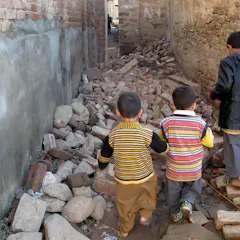
Since the last earthquake in the region in 2005, we have got much better at recovering from disaster.
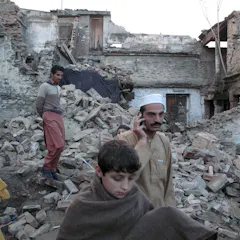
A magnitude 7.5 earthquake has hit Afghanistan, with the effects felt as far away as India.
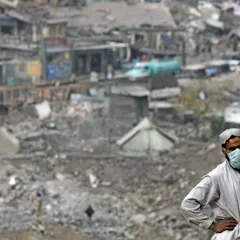
Ten years ago, a devastating earthquake killed tens of thousands of people in Pakistan. How has the devastated town of Balakot recovered?
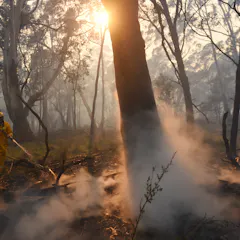
Are you at risk from natural disasters? Research shows media reports could actually reduce people’s perceptions of risk.
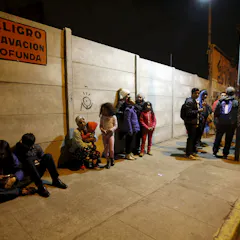
Earthquake monitoring can now detect a quake and warn people before it arrives.
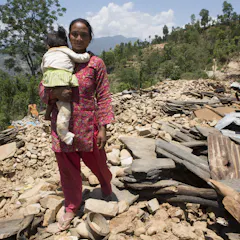
New research shows the earthquake that struck central Nepal in April this year was only a partial rupture of the fault line, meaning another strong quake could be due in future.
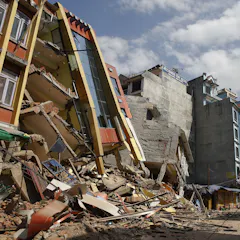
Retrofitting old or cheap houses with earthquake protection is often expensive and laborious. What if we could save whole streets at a time?

How studying the injection technique involved in fracking also tells us something about earthquakes.
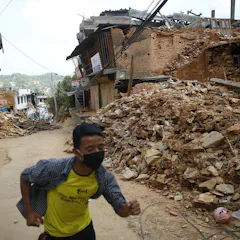
The magnitude 7.3 earthquake that hit Nepal this week should be classed as an aftershock rather than a second earthquake.

Politics in Nepal will hinder relief and recovery efforts following the earthquake and its aftershocks. But look at it the other way around. Could the disaster help to resolve political problems?
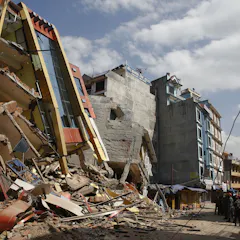
What led to the second major earthquake to hit Nepal in less than a month?
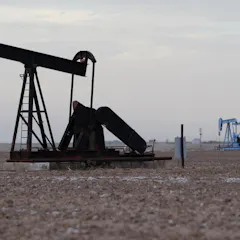
The US Geological Survey recently confirmed what many people have already felt: that the rapid spread of fracking has led to more earthquakes.
Japan has the most powerful seismic network in the world. And this network is throwing out some warning signs.
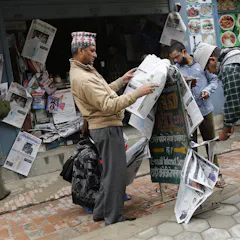
Nepal has thousands of journalists working in hundreds of media outlets and publications. But getting the story out about the deadly earthquake was no easy task.
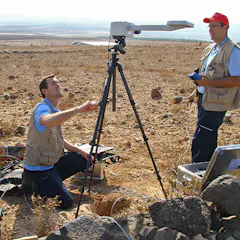
For seismologists, there’s much to be learned after a major earthquake, as aftershocks help them map out the fault with high precision. More data now can prepare a region for its next big one.
Top contributors
-

Professor of Earthquake Science, The University of Melbourne
-
Earthquake Scientist, Monash University
-
Professor in Earth Sciences, Nanyang Technological University, Singapore, and Emeritus Professor of Mineral Physics, University of Cambridge
-
Adjunct Research Fellow, Curtin University
-
Reader in Physical Geography and Natural Hazards, Coventry University
-
Professor of Geophysics, Durham University
-
Professor, Australian National University
-
Honorary Professor of Tsunami Research, PANGEA Research Centre, UNSW Australia, UNSW
-
Honorary Fellow in Structural Geology and Tectonics, The University of Melbourne
-
Senior Scientist in Disaster and Climate Risk at Earth Sciences NZ & Senior Research Fellow (adjunct), Humanitarian Emergency and Disaster Management, Charles Darwin University
-
Professor of Geophysics and Department Head, Colorado State University
-
Redmond Barry Distinguished Professor Emeritus, The University of Melbourne
-
PhD Candidate & Researcher, School of Architecture, Université de Montréal
-
Honorary Professor of Hazards and Disaster Risk Sciences, University of Sydney
-
PhD Candidate in the Department of Earth Sciences, Durham University