
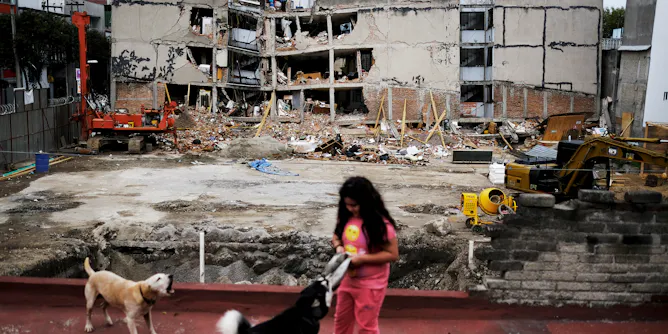
Not all earthquakes are made equal. A study on the Sept. 2017 quake that killed 300 in Mexico City found that both its location and cause were unusual.
Articles on Earthquakes
Displaying 201 - 220 of 336 articles
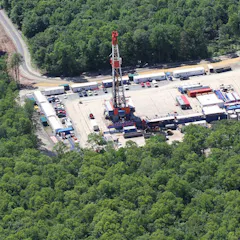
Shale gas exploitation in the US has helped cut is greenhouse gas emissions by 11%. A study explores what would happen if this were expanded globally, and the findings challenge conventional wisdom.
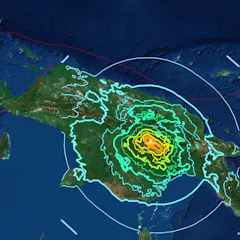
Why is Papua New Guinea so susceptible to landslides? Steep terrain, earthquakes and aftershocks plus recent seasonal rains have created an environment that is prone to collapse.
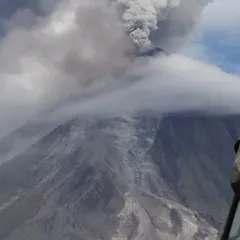
It feels as if volcanoes in our region are going off at a high rate right now - but it’s reasonably normal activity for the “Ring of Fire” belt running around the Asia Pacific.
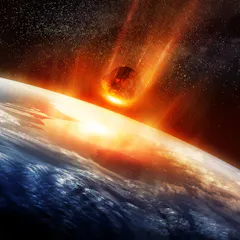
Research suggests a new threat to life on Earth from the meteorite’s crash: Via seismic waves, the impact triggered massive undersea eruptions, as big as any ever seen in our planet’s history.
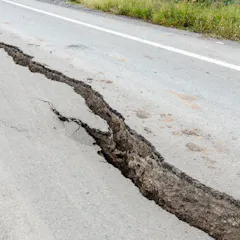
New research shows the size of man-made earthquakes is linked to how deep industry wastewater is injected into the ground.
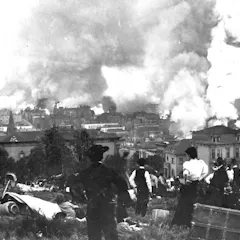
According to current forecasts, California has a 93 percent chance of an earthquake with magnitude 7 or greater occurring by 2045. Early warning systems, now in development, could limit casualties and damage.
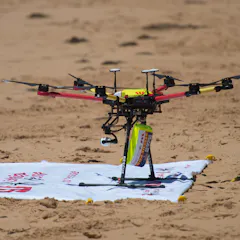
Drones and unmanned aerial vehicles are already saving lives in search and rescue operations, but they still need improvements if they’re to be widely used in the most dangerous situations.

While the Montecito, California mudslides took 20 lives, landslides kill far more people in developing countries. Tighter construction standards and early warning systems could help reduce their toll.
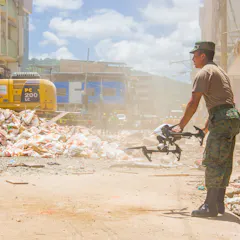
Stand by for drones, robots and sensors to the rescue.
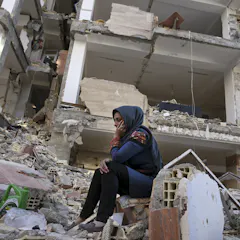
On Nov. 12, a 7.3 magnitude quake killed some 500 and injured 7,000 along the Iran-Iraq border. This Kurdish area has also been crushed by war and, after a recent separatist vote, militarily attacked.
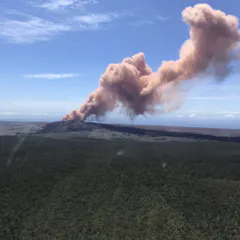
How do scientists predict volcanic eruptions? To do so with accuracy, they need to know the individual volcano and its history very well.
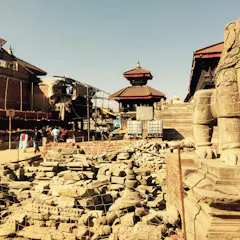
Reconstruction progress in Nepal has been painfully slow. Building code compliance and better urban planning are a must – but inequitable access to resources undermines recovery.
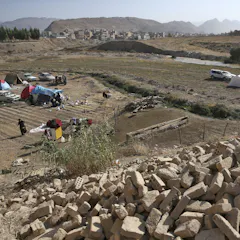
The Nov. 12 earthquake wasn’t centered on any known major faults in the Earth’s crust. In its wake, scientists will collect data to add detail to what they know about seismic activity in the area.

Human-induced earthquakes have been reported from every continent except Antarctica. We asked a geologist to investigate whether North Korea’s nuclear tests could trigger geological changes.
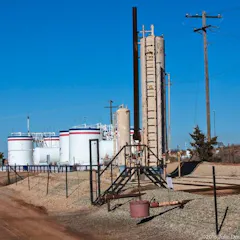
As global demand for energy and mineral supplies increases worldwide, the number of man‑made earthquakes is expected to rise. That increases the importance of understanding connection between the two.
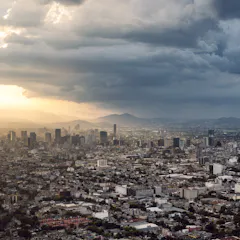
Many of Greater Mexico City’s 22m residents aren’t receiving the help they need.
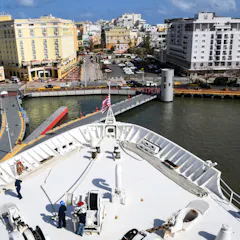
The military can make a big difference right away but humanitarian deployments should generally be rare and brief.
Natural disasters are not only bad in the short term. Many families will see their health, well-being and ability to escape poverty affected for decades, and some will be affected for life.
The interests of future holiday-makers are far from important in times of crisis, but tourism is economically key to these countries.
Top contributors
-

Professor of Earthquake Science, The University of Melbourne
-
Earthquake Scientist, Monash University
-
Professor in Earth Sciences, Nanyang Technological University, Singapore, and Emeritus Professor of Mineral Physics, University of Cambridge
-
Adjunct Research Fellow, Curtin University
-
Reader in Physical Geography and Natural Hazards, Coventry University
-
Professor of Geophysics, Durham University
-
Professor, Australian National University
-
Honorary Professor of Tsunami Research, PANGEA Research Centre, UNSW Australia, UNSW
-
Honorary Fellow in Structural Geology and Tectonics, The University of Melbourne
-
Senior Scientist in Disaster and Climate Risk at Earth Sciences NZ & Senior Research Fellow (adjunct), Humanitarian Emergency and Disaster Management, Charles Darwin University
-
Professor of Geophysics and Department Head, Colorado State University
-
Redmond Barry Distinguished Professor Emeritus, The University of Melbourne
-
PhD Candidate & Researcher, School of Architecture, Université de Montréal
-
Honorary Professor of Hazards and Disaster Risk Sciences, University of Sydney
-
PhD Candidate in the Department of Earth Sciences, Durham University