
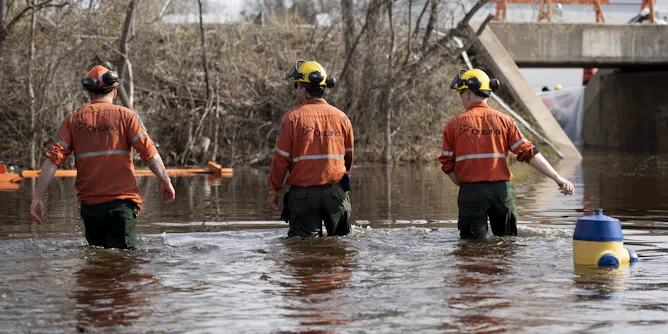
Canadian history and international relations theory gives us perspective on why co-ordinating flood management has proven so difficult in Canada and what can be done about it.
Articles on Disaster management
Displaying 61 - 80 of 130 articles
Disaster information needs to come from all sections of a community at risk, and we need to leave nobody marginalised.
The international community responded quickly to Cyclone Idai as the African Union dragged its feet.
The last two major disasters show that Indonesia needs to embrace a new chapter in its disaster risk governance.
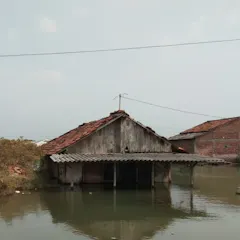
Effective disaster management is possible with the support from the public.

The damage to coal ash sites from Hurricane Florence demonstrates how a community’s vulnerability to natural disasters is closely linked to how stringent environmental regulations are.

Toronto is still grappling with the fallout from two mass casualty events – April’s van attack and a mass shooting in July. A month after the shooting, how is Toronto moving forward?
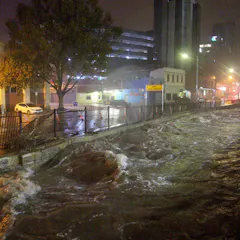
Managing flood risk is not just ‘good planning’; it requires commitment to resilient cities by land developers, politicians and communities. Effective response means learning from mistakes.
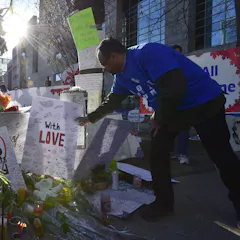
Toronto is grappling with a new normal a week after a heinous van attack killed 10 people and left many injured. Here’s how cities recover from disasters, both emotionally and physically.
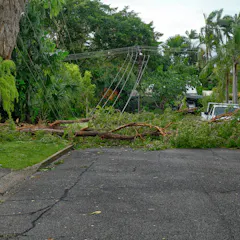
After Cyclone Tracy, you’d expect Darwin of all cities to be ready for the next one. But as the clean-up after Cyclone Marcus continues, it’s clear more must be done to increase the city’s resilience.

Evacuating nursing home residents during a disaster can be even more dangerous than staying put.
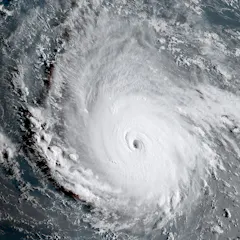
Saturated media coverage of hurricanes like Harvey and Irma can make it seem like disasters happen all the time. Is the frequency of billion-dollar disasters really rising?
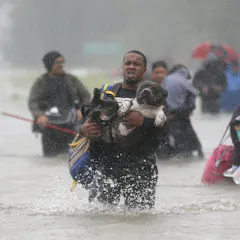
In the wake of natural disasters, pets are be stranded, lost or abandoned. There are simple guidelines that can help keep your whole family safe.
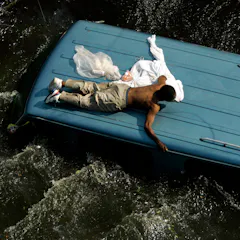
Researchers examined credit data on the victims of Hurricane Katrina to understand how the disaster affected their personal finances, revealing important lessons for those hurt by Harvey.
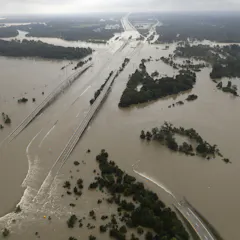
Many people may have stayed put during Hurricane Harvey because no storm that big had struck Texas since 1961. But like New Orleans after Katrina, Texas is likely to be much better prepared next time.
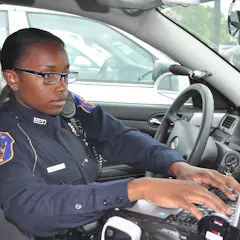
A new data management system can give emergency responders a fast lane on the internet to help speed rescue efforts after a disaster.
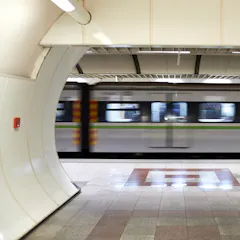
The St Petersburg attack shows how engineering and psychology can help optimise how people are evacuated in a disaster.
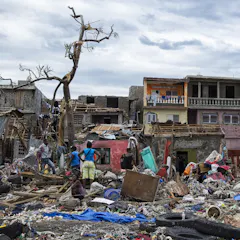
Natural disasters remain disproportionately a hazard for the world’s poor.
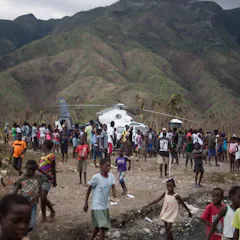
Six years after a catastrophic earthquake, Haiti has to recover from yet another disaster. Getting it right will be a herculean task.
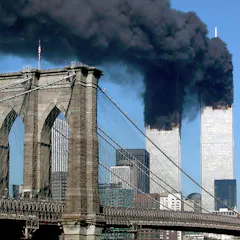
What we and other responders learned that day would go on to spark major changes in U.S. emergency response efforts.
Top contributors
-

Associate Professor of Disaster and Emergency Management, York University, Canada
-
Lawyer / Adjunct Academic, Australian National University
-
Associate Professor, School of Law, University of Canberra
-
Professor of Crisis & Disaster Management, Bournemouth University
-
Research Manager, CSIRO
-
Senior Lecturer, School of Global, Urban and Social Studies, RMIT University
-
Assistant Professor, School of Architecture, Planning and Policy Development, Institut Teknologi Bandung
-
Professor of Public Health, University of Sheffield
-
Associate Professor of Emergency Medicine, The Ohio State University
-
Associate Professor of Human Geography, University of Tasmania
-
Associate Professor, Griffith University
-
Principal Investigator FiRES Project (SNSF Consolidator Grant), ETH Zürich, Switzerland // Honorary Associate Professor, University of Wollongong, Australia.
-
Associate Professor, Applied Disaster and Emergency Studies Department, Brandon University
-
Team Leader, Bushfire Urban Design, CSIRO
-
Research scientist, CSIRO