
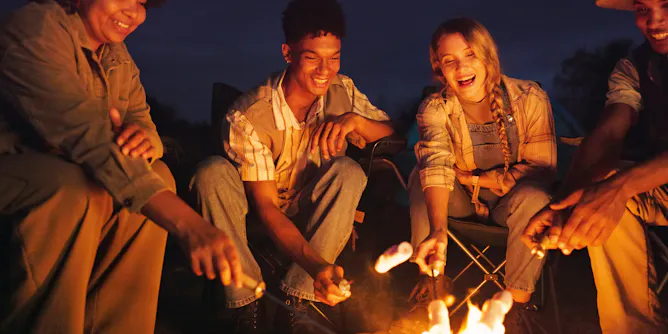
New study suggests ancient campfires may have encouraged our ancestors to develop language.
Articles on Fire
Displaying 1 - 20 of 241 articles
The damage is sometimes only centimeters deep. Three engineers explain the colors of burned masonry and other signs preservationists look for amid another destructive fire year.
These ancient wetlands are wildlife hotspots and crucial carbon stores.
Deadly fires in Almería, Spain, have shown that firefighting alone is not enough – people need to be properly prepared.

Understanding how rural communities use fire is the first step in managing it.
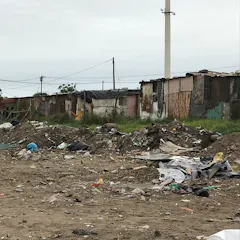
For many isiXhosa-speaking residents, disaster warnings arrive too late, or in language that is difficult to understand.

Survival depends on information and social networks.
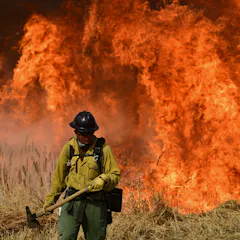
Wildfires in Colorado are reshaping landscapes and visitor habits.

The blaze at the Geelong oil refinery in Victoria has reportedly been extinguished. But residents in the area may be worried about the health effects of lingering smoke.

For decades, wilderness lands have been left largely unaltered by human activity. But those places are still changing, and keeping them wild and special may require action, not inaction.
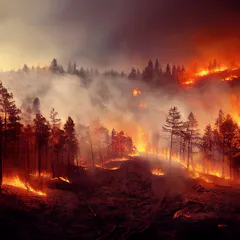
Wildfire has been an important part of the Earth system for more than 400 million years.
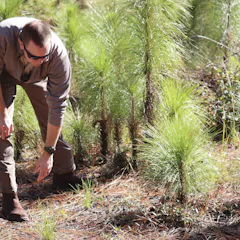
One of North America’s richest ecosystems, sustained and shaped by Native peoples before European contact, nearly disappeared. A recovery is underway.
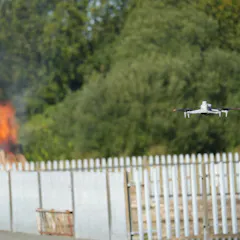
Inspired by the behaviour of flocks of birds, swarm intelligence is being used in drones to tackle the growing threat of wildfires.
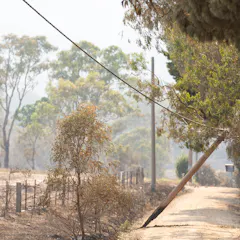
We need reliable communications during climate emergencies like bushfires and floods. But changes have left regional communities exposed.
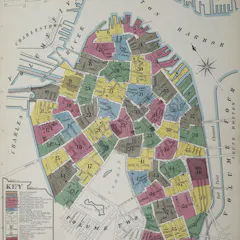
Hundreds of thousands of Sanborn maps mapped the fire risk of every US city with over 1,000 people in the 20th century.
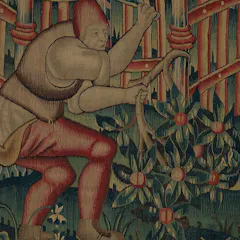
Warm rooms were often very unusual in medieval times.
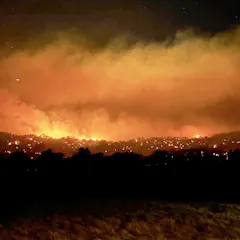
For residents in southeastern Australia this week, understanding fire safety warnings are essential to stay safe.
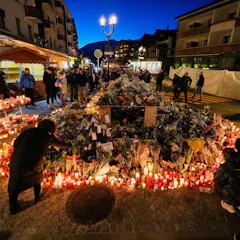
A spark may start a fire, but systems decide whether it becomes a disaster. The Swiss New Year’s blaze shows what happens when they fail.

Fire obviously isn’t a liquid or a solid. In fact, it’s not matter at all – it’s a process.
Decades of experimentation revealed slow ecological processes and long-term interactions that have international scientific value.
Top contributors
-

Professor of Pyrogeography and Fire Science, University of Tasmania
-
Research Fellow in Environmental Science, University of Tasmania
-
Adjunct professor, UNSW
-
Associate Professor of Geography, University of Colorado Boulder
-
Professor of Geography and Director of the Centre for Wildfire Research, Swansea University
-
Professor of Science Communication and Chemistry, University of Hull
-
Associate Professor in Quantitative Ecology, The University of Melbourne
-
Emeritus professor, University of Wollongong
-
Senior research fellow, Charles Darwin University
-
Postdoctoral researcher, University of Tasmania
-
Professor, Hawkesbury Institute for the Environment, Western Sydney University
-
Professor in Digital Construction and Fire Engineering, Te Kunenga ki Pūrehuroa – Massey University
-
Professor of Law, Deakin University
-
Distinguished Research Professor and Australian Laureate, James Cook University
-
Associate Professor, Hawkesbury Institute for the Environment, Western Sydney University