
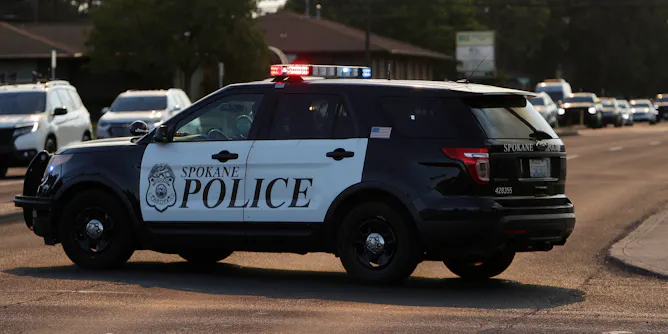
Evacuations in the face of a wildfire, hurricane or other disaster are stressful and can take more time than you might expect. Here’s why practice helps and what to think about.
Articles on Disaster planning
Displaying 1 - 20 of 52 articles
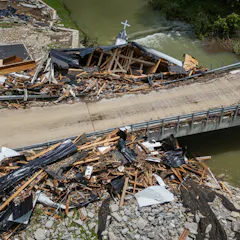
Increasing flash flooding is exhausting communities as they’re hit again and again.
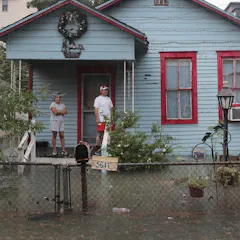
Low-income neighborhoods have the hardest time recovering from disasters without help. FEMA used to require cities to pay attention to them, but that’s changing.

As climate-related disasters grow more frequent and intense, one group remains dangerously underprepared: older adults. Planning should involve the entire family.

Health and wellbeing are greatly affected by extreme weather events. New research into how people and systems responded after Cyclone Gabrielle shows how we can react better to future emergencies.
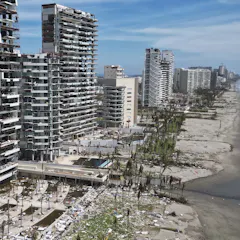
The best science is not always the best engineering when it comes to building codes. It’s also a problem across the US, as an engineer who works on disaster resilience explains.
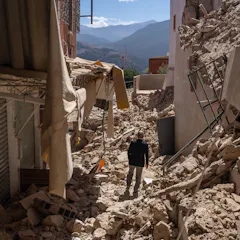
Earthquakes cannot be predicted; the best tools to mitigate the impact are seismic hazard studies.

Research shows gender-based violence increases in the aftermath of disasters. Governments must incorporate ways of addressing it into their disaster response plans.
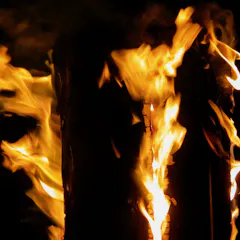
Fire risk communication strategies must not only be supported by formal institutions such as government agencies but also be rooted in and sensitive to each market’s socio-cultural dynamics.

When a disaster strikes, you may be stuck for days without power or safe running water. Or you might only have time to grab a bag and go.
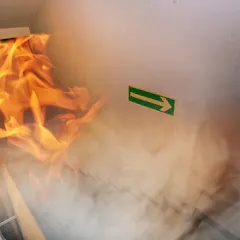
Researchers are using mixed reality technologies to investigate how people behave in in emergency situations. The findings are helping shape disaster responses.
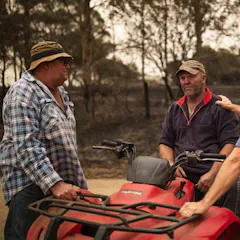
The real success of the National Recovery and Resilience Agency will be not only in what it does, but in how it carries out its work, in the relationships it forges, and in the trust it gains.
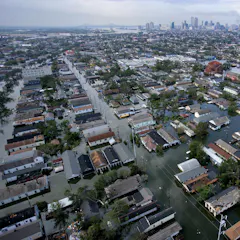
We can design parks, open space and public infrastructure to hold excess water when flood strikes. That means better control of where floodwater ends up, reducing the risk to lives and property.
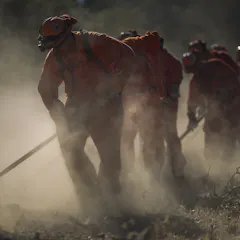
Relying on incarcerated workers in emergencies such as the wildfires ravaging parts of the US is a cheap alternative for states. But what protections are there for prisoners?
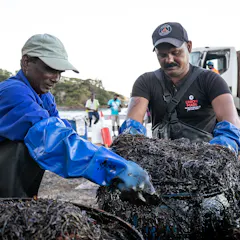
Independent investigations will need to look into potential failures in response to the disastrous Mauritian oil spill.
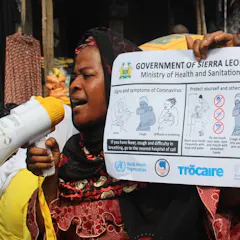
Overlapping disasters of COVID-19 and flooding could be a serious threat for Sierra Leone’s capital Freetown.
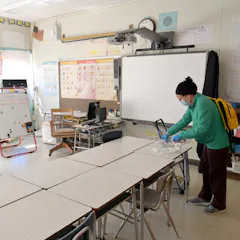
Making classrooms, cafeterias and other spaces less crowded will be essential. There are two main ways to do that.
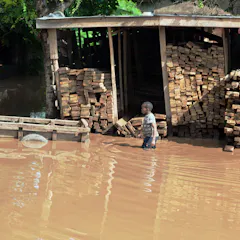
Communities prepare better for flood disasters when they have been actively involved in communicating information.
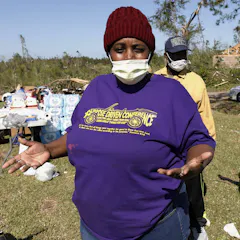
If the forecasts are right, the US could be facing more natural disasters this year – on top of the coronavirus pandemic. Local governments aren’t prepared.
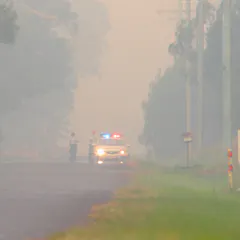
The disasters have come one after another. While they may not be entirely preventable, we can take many practical steps tailored to local needs and conditions to reduce the impacts on our cities.
Top contributors
-

Deputy Head of School, School of Architecture and Built Environment, University of Newcastle
-
Professor and Inaugural Judith Neilson Chair in Architecture, UNSW
-
Associate Professor, School of Architecture and Built Environment, University of Newcastle
-
Teaching Assistant Professor, University of Pittsburg and Visiting Associate Professor, The University of Osaka, University of Pittsburgh
-
Clinical Assistant Professor of Education, Health and Behavior Studies, University of North Dakota
-
Research Active Lecturer, Discipline of Psychology, Charles Darwin University, Charles Darwin University
-
Associate Professor of Emergency Medicine, The Ohio State University
-
Associate Professor of Ecology, Lincoln University, New Zealand
-
Principal Lecturer in Geography, Nottingham Trent University
-
Professor Emeritus of City and Regional Planning, University of California, Berkeley
-
Research Team Leader, Bushfire Behaviour and Risks, CSIRO
-
Professor of Disasters and Health, UCL
-
Associate Professor, Humanitarian, Emergency and Disaster Management Studies, Charles Darwin University
-
Associate Professor, University of Sydney
-
Professor of Evolutionary Palaeobiology at the Milner Centre for Evolution, University of Bath