
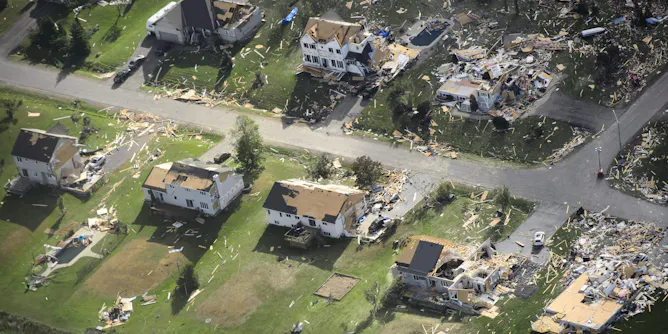
Governments and the media remain focused on responding to disasters, not preventing or preparing for them. Here’s what must change — and will and won’t work — as Canada faces increased disaster risks.
Articles on Disaster management
Displaying 21 - 40 of 130 articles
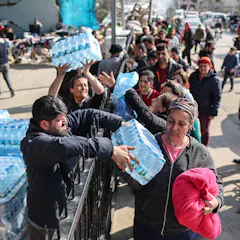
Social workers encountered challenges in providing their services in the aftermath of the Turkey earthquakes, facing obstacles outside of their control.

Tailoring crisis communications strategies across the phases of the disaster management cycle is a more successful approach and can help co-ordinate disaster responses.
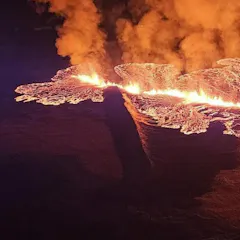
Iceland, Hawaii and Italy have all tried to control lava to save cities in the past. A volcanologist explains the methods.
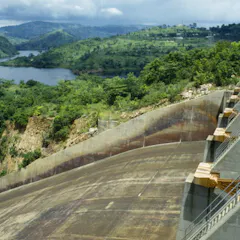
Communities along the bank of the dam have been victims of injustice since the early 1960s.
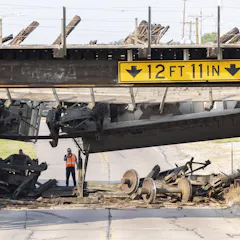
Focusing solely on humans at the expense of other life in the aftermath of train derailments limits the effectiveness of our disaster response management.

Cities and towns have been devastated by the impact of the 6.8 magnitude quake – the largest recorded in the country’s history.

Armed police interventions are unconstitutional and incapable of addressing housing and safety in the inner city.
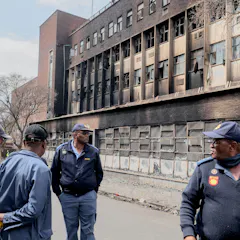
Inner city occupations and shack settlements alike are the inevitable consequence of the fact that huge populations of people have to get by without a living wage.

As the mass evacuation of Yellowknife unfolds, the needs of minority populations will emerge. Past experiences indicate emergency officials may not be ready to meet the needs of a diverse population.

Almost half of all crises are disasters waiting to happen, because warnings have been unheeded or ignored.

There is an alarming lack of disaster preparedness plans in Canada that consider the unique risks and needs of unhoused people during wildfires.

High-risk, high-uncertainty events like earthquakes tend to fall out of view when we are occupied with more predictable seasonal events like wildfires, which have very visible effects on our lives.
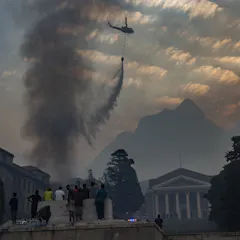
Autumn extreme fire weather around Cape Town in South Africa has become 90% more likely in a warmer world.
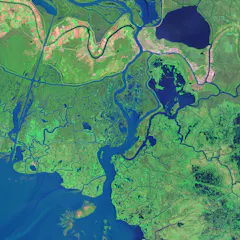
Time-lapse animations that once took days to create are now easy to build with publicly available satellite images and free online tools.

The two West African countries can help each other avert flooding disasters.
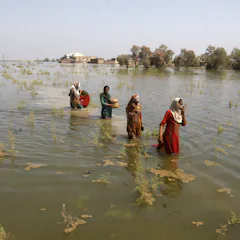
To keep up with climate-related disasters, we need transformational solutions. These range from ‘sponge cities’ and floating houses to putting out bushfires minutes after they start.
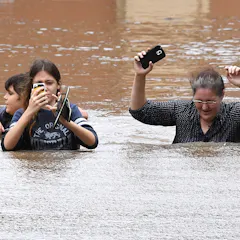
Social media have become a crucial source of information during emergencies – but it is prone to misinformation and bias.

Evacuations can save lives, as in the case of post-tropical cyclone Fiona. As more frequent extreme weather events are set to occur, it is important to have evacuation plans in place.
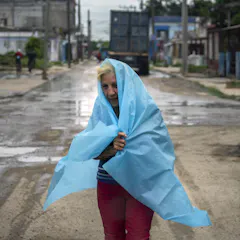
For some people, the risks associated with leaving can seem more dangerous than the storm.
Top contributors
-

Associate Professor of Disaster and Emergency Management, York University, Canada
-
Lawyer / Adjunct Academic, Australian National University
-
Associate Professor, School of Law, University of Canberra
-
Professor of Crisis & Disaster Management, Bournemouth University
-
Research Manager, CSIRO
-
Senior Lecturer, School of Global, Urban and Social Studies, RMIT University
-
Assistant Professor, School of Architecture, Planning and Policy Development, Institut Teknologi Bandung
-
Professor of Public Health, University of Sheffield
-
Associate Professor of Emergency Medicine, The Ohio State University
-
Associate Professor of Human Geography, University of Tasmania
-
Associate Professor, Griffith University
-
Principal Investigator FiRES Project (SNSF Consolidator Grant), ETH Zürich, Switzerland // Honorary Associate Professor, University of Wollongong, Australia.
-
Associate Professor, Applied Disaster and Emergency Studies Department, Brandon University
-
Team Leader, Bushfire Urban Design, CSIRO
-
Research scientist, CSIRO