
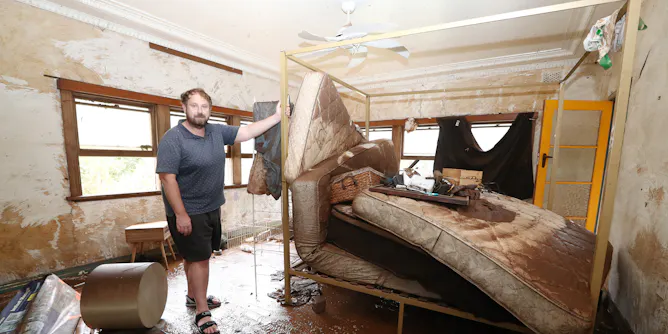
The long delays in housing displaced flood victims point to the need to develop a permanent reserve of temporary housing to be available wherever and whenever disaster strikes.
Articles on Disaster management
Displaying 41 - 60 of 130 articles
While well-meaning, it’s unclear whether the benefits of training community members to respond to disasters outweigh the risks.

Cameroon’s Anglophone crisis could escalate into a complex disaster emergency with dire environmental consequences.
There is a huge amount of legislation talking about ‘shared responsibility’ but it isn’t clear what this means or who needs to do what and when.
After more than three years as prime minister, Scott Morrison is still struggling to provide much-needed crisis leadership.

Canada’s emergency management system is poorly funded and lacks consistent attention between disasters. This chronic underfunding has undermined public confidence and trust in emergency management.

Canadians need to rethink their relationship to the pandemic by learning to live in a state of continual disaster for the foreseeable future.
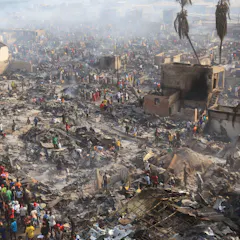
While promoting better risk reduction is always sensible, it leads to a tendency for disaster management systems to lean heavily on experience and systems designs of other countries
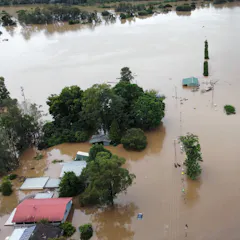
To understand the different economic impacts of natural disasters, we looked at 47 major floods and 36 major bushfires in Australia.
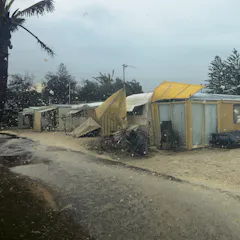
Low-income retirees have long found affordable housing in caravan parks and relocatable home estates. But they are becoming harder to find, and often come with a risk of hazards such as flooding.
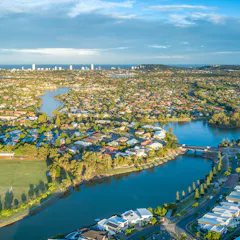
Infrastructure is often seen as the main way to reduce the impacts of climate-related disasters like floods and drought. But cities are complex systems with many factors affecting their resilience.
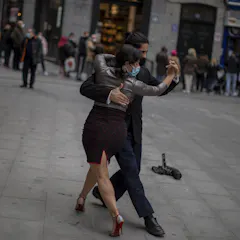
Governments, universities and creative companies that have experienced growth in the pandemic should play a role in long-term collaborative strategies to support artists and small arts companies.
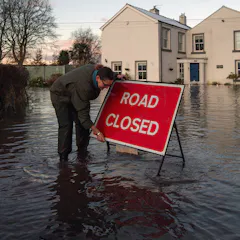
Clear messaging is crucial when dealing with multiple disasters.
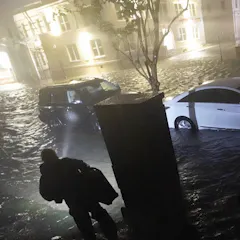
NOAA released its list of climate and weather disasters that cost the nation more than $1 billion each. Like many climate and weather events this past year, it shattered the record.
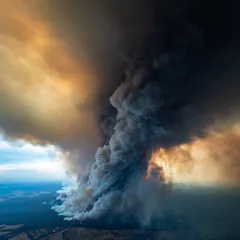
Australian emergency services are using social media for a number of purposes during disasters. What they are not doing well is analysing social media data in real time to improve disaster management.
The disasters have come one after another. While they may not be entirely preventable, we can take many practical steps tailored to local needs and conditions to reduce the impacts on our cities.

Governments worldwide have put in place economic and tax relief measures to mitigate the impact on businesses and workers of drastic public health measures in response to the COVID-19 pandemic
Australia can learn from how India used community hubs to bridge the gap between government and local communities in the challenging years of reconstruction.
As this horrific summer of disaster continues to unfold in coming weeks, we need to overhaul our emergency management plan.
The convergence of technologies such as 5G, artificial intelligence and virtual reality may offer hope for the way we manage future bushfire disasters.
Top contributors
-

Associate Professor of Disaster and Emergency Management, York University, Canada
-
Lawyer / Adjunct Academic, Australian National University
-
Associate Professor, School of Law, University of Canberra
-
Professor of Crisis & Disaster Management, Bournemouth University
-
Research Manager, CSIRO
-
Senior Lecturer, School of Global, Urban and Social Studies, RMIT University
-
Assistant Professor, School of Architecture, Planning and Policy Development, Institut Teknologi Bandung
-
Professor of Public Health, University of Sheffield
-
Associate Professor of Emergency Medicine, The Ohio State University
-
Associate Professor of Human Geography, University of Tasmania
-
Associate Professor, Griffith University
-
Principal Investigator FiRES Project (SNSF Consolidator Grant), ETH Zürich, Switzerland // Honorary Associate Professor, University of Wollongong, Australia.
-
Associate Professor, Applied Disaster and Emergency Studies Department, Brandon University
-
Team Leader, Bushfire Urban Design, CSIRO
-
Research scientist, CSIRO