

The tools to rewrite the genetic code to improve crops and livestock, or to treat genetic diseases, has revolutionized biology. A CRISPR engineer explains why this technology won the Nobel, and its potential.
Articles on CRISPR
Displaying 41 - 60 of 131 articles
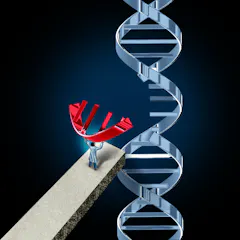
Most scientific discoveries these days aren’t easily ascribed to a single researcher. CRISPR is no different – and ongoing patent fights underscore how messy research can be.
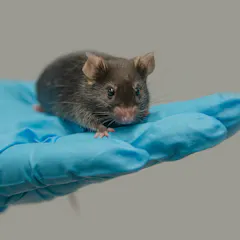
A new finding in mice rewrites the textbook explanation of the male sex-determining gene, Sry. It might also help us better understand how males and females come to be.
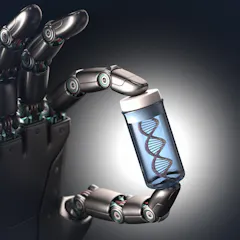
The immune system is trained to destroy viruses, even when they carry therapeutic cargo as is the case in gene therapy. Now researchers have figured out how to dial down the immune response.
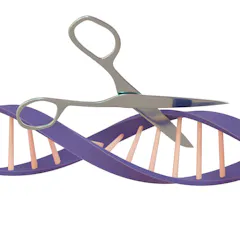
A person dies of opioid overdose once every 13 minutes in the US. A researcher proposes a way using existing technology to remove the opioid target in people to prevent overdoses.
One of the methods researchers are exploring to combat COVID-19 is gene editing: altering the genome of the virus to make it harmless.
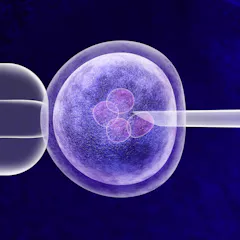
The debate about gene editing will help shape the future of the human race. But how should the discussion get started?
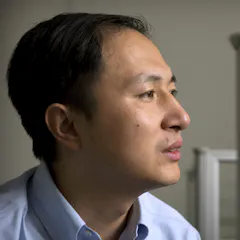
The scientist who announced the world’s first genome-edited twins received a prison sentence and a large fine for his research. But the systems that enabled him have not been held to account.
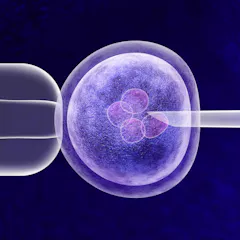
One year after the first CRISPR babies were announced, changes in policies and regulations have meant that there have been no new CRISPR announcements since.

A number of things may have gone wrong when researchers edited Chinese twins Lulu and Nana’s genome. Either way, the failed experiment is a cautionary tale for us all.
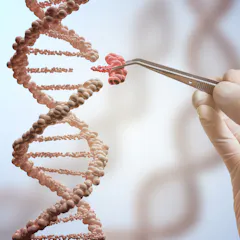
Ideas from economics might help us decide the most ethical way of using gene editing technology for human enhancement in the future.
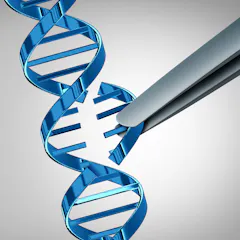
In a new study, a team of US scientists have used gene editing to change the genetic code of white blood cells and transform them into more efficient tumor fighting cells. How did they do it?
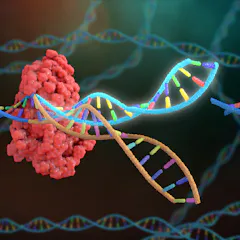
CRISPR technology is continually improving to make it more specific, but serious consideration should be given to when and how CRISPR is safe for gene editing.
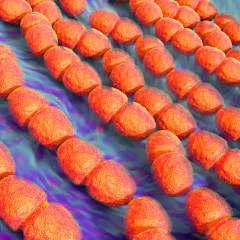
Enterococcus faecalis can on pass its antibiotic resistant genes.
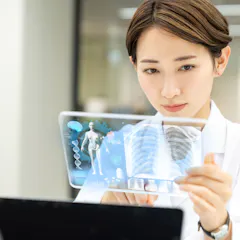
A growing international divide over cutting-edge medical research could worsen predatory practices, medical tourism and health inequality.
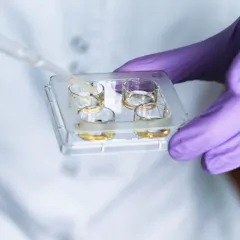
CRISPR technology could have momentous effects if it’s used to edit genes that will be inherited by future generations. Researchers and ethicists continue to weigh appropriate guidelines.
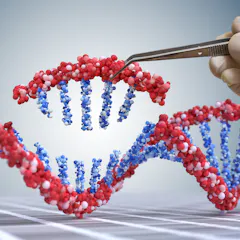
The idea of CRISPR as scissors ignores an entire ecosystem of moving parts that are crucial for understanding the awe-inspiring, crazy thing scientists are trying to do when they attempt gene editing.
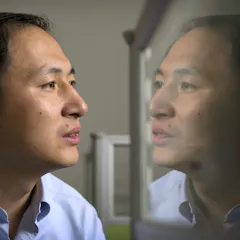
News of the gene-edited babies excludes images of the children’s mother. Cutting her out of the picture underscores the idea that the mother is obsolete and babies can be created in the lab.

Box jellyfish stings are excruciating and occasionally deadly. We have identified a common, cheap drug that is already on the market and which could be a treatment candidate with further development.

With Gottlieb’s departure from the FDA imminent, what should we expect from the FDA? How is it likely to regulate the still controversial genetically engineered foods?
Top contributors
-

Chair, The Conversation Media Group
-
Head of School (Computer Science) and Co-Director (Centre for Data Science), Queensland University of Technology
-
Distinguished Research Professor, Emerita, Dalhousie University
-
Geneticist and Group Leader, The John Curtin School of Medical Research, Australian National University
-
Assistant Professor in Biomedical Ethics, National University of Singapore
-
Emeritus Robert Reford Professor and Professor of Medicine, McGill University
-
Professor of Chemistry, Connecticut College
-
Doctoral Student in Biochemistry, University of Washington
-
Postdoctoral Associate in Science and Society, Duke University
-
Postdoctoral fellow, Harvard University
-
Vanier Scholar and Ph.D. Candidate in Microbiology and Immunology, Dalhousie University
-
Research fellow, The University of Queensland
-
Emeritus Professor of Developmental Biology, The University of Queensland
-
Associate Professor of Public Policy and Women's Studies, University of Michigan
-
Chen Su Lan Centennial Professor in Medical Ethics, National University of Singapore; Distinguished Visiting Professor in Law, University of Melbourne; Uehiro Chair in Practical Ethics, The University of Melbourne