

The convergence of AI and biotechnology blurs boundaries and challenges existing regulations designed to consider technologies separately.
Articles on Gene editing
Displaying 1 - 20 of 116 articles

Gene-edited dairy products could help farmers adapt to climate change. New research shows consumers may be willing to buy them under the right conditions.

By identifying the genes that allow plants to pause growth during stress and restart, we can help ensure crops produce reliable harvests in a changing climate.

Can gene editing truly support smallholder farmers and help Indonesia achieve food sovereignty, or will it simply revive the old controversies surrounding GMO crops?

How many human cells does a pig need before it’s considered too human?

Gene editing could add genetic diversity that can revitalise species on the brink of extinction.

“De-extinction” research is a poor alternative to helping ‘pre-extinction’ animals still alive today.
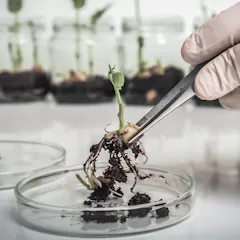
Gene technology has been earmarked for expansion in New Zealand, but without robust regulation local communities could be left with the unintended consequences.

A recent change to South Africa’s national health research guidelines contains newly added language that appears to permit the use of genome editing to create genetically modified children.
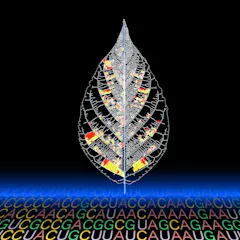
Discussions about the rules governing genetic technology in New Zealand remain complex. But they need not be marked by conflict, as long as people’s views and values are genuinely considered.

Lose the prickles. Add bioluminescence. Up the nutrients without the bitter flavor. CRISPR gene editing is opening a new world of genetically modified plants for home growers.

In the absence of clear-cut regulation, who should decide on where and how a technology that could change the course of human health should be applied?

This is the story of a range of new technologies that are getting cheaper and being adopted at such speeds that society can barely keep up.

AI has learned the ins and outs of proteins. Gene editing gives scientists control of life’s molecular machinery. Together they could lead to a revolution in biotechnology.

Champions of xenotransplantation see it as the solution to organ shortages across the world. But this technology has other applications.

Biotech firms are using climate goals opportunistically in an attempt to force through the deregulation of genetically modified crops.

Science is getting closer to finding a cure for HIV.
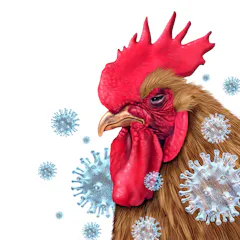
The three flu pandemics of the 20th century originated from birds, making it critical to fight bird flu. Breakthroughs in gene-editing chickens show promise for eliminating the disease in the future.

Scientists can create viable eggs from two male mice. In the wake of CRISPR controversies and restrictive abortion laws, two experts start a dialogue on ethical research in reproductive biology.
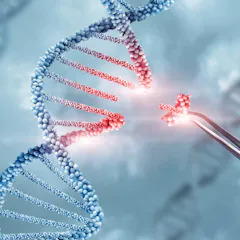
Chemist David Liu explains how gene editing is paving the way to treating and even curing certain genetic diseases.
Top contributors
-

Chair, The Conversation Media Group
-
Assistant Professor in Biomedical Ethics, National University of Singapore
-
Head of School (Computer Science) and Co-Director (Centre for Data Science), Queensland University of Technology
-
Geneticist and Group Leader, The John Curtin School of Medical Research, Australian National University
-
Distinguished Research Professor, Emerita, Dalhousie University
-
Professor of Chemistry, Connecticut College
-
Shah Rising Star Assistant Professor of Chemical Engineering, Herbert Wertheim College of Engineering, UF Health Cancer Center, University of Florida
-
Vanier Scholar and Ph.D. Candidate in Microbiology and Immunology, Dalhousie University
-
Senior Lecturer International Law, Bioethics, Emerging Tech, University of KwaZulu-Natal
-
Doctoral Student in Biochemistry, University of Washington
-
Distinguished Research Professor, Dalhousie University
-
Chen Su Lan Centennial Professor in Medical Ethics, National University of Singapore; Distinguished Visiting Professor in Law, University of Melbourne; Uehiro Chair in Practical Ethics, The University of Melbourne
-
Professor of Advanced Technology Transitions, Arizona State University
-
Professor, Australian National University
-
Professor of Ethics and Sports Integrity, KU Leuven