
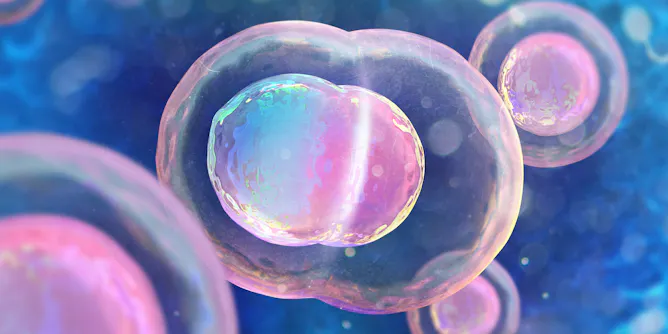
A world first study shows CRISPR can remove a target gene from early stage human embryos. But with the advance in science come weighty ethical dilemmas.
Articles on CRISPR
Displaying 101 - 120 of 131 articles
A team in the U.S. is said to have safely and effectively altered human embryos. The news is a reminder that citizens must be consulted on developments potentially affecting the future of the species.
The news may have come as a surprise, but it probably shouldn’t have. A bioethics expert walks through how big a deal this announcement is – and what we should be considering now.
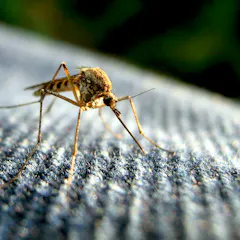
Simple and inexpensive gene-editing technology such as CRISPR has made the creation of genetically modified organisms much easier. But could nature still keep the upper hand?

Holding patents can be a lucrative and powerful position to be in. Here’s a proposal for how nonprofit patent holders can do more for the common good – and live up to their end of the tax break bargain.
William Isdale speaks with University of Queensland Professor Peter Koopman about CRISPR technology.
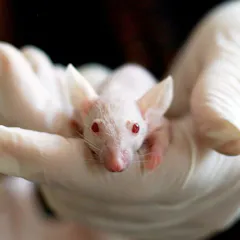
A new research paper reports dangerous side effects in CRISPR-edited mice. Some scientists are pushing back, placing blame for the unwanted mutations on the experiment, not the technique.
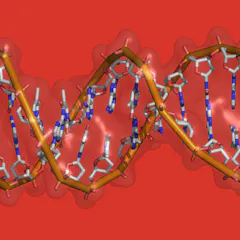
Researchers are starting to harness the potential of this much-hyped gene editing technique – with coming applications in medicine, biology and agriculture.
A new report from the National Academies of Science and Medicine outlines conditions that have to be met before gene editing that results in heritable genomic changes can be considered.

A report released by the US National Academies of Science and Medicine underscores the potential of gene editing and acknowledges the sensitivities in managing the ethical dimensions.
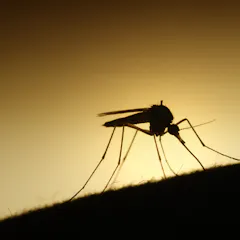
It’s possible to alter the make-up of a species such as a mosquito’s ability to pass on the deadly malaria parasite. But we need to consider the pros and cons of such gene editing technology.
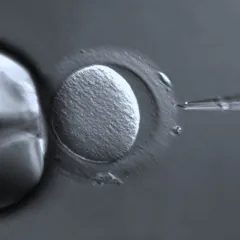
Medical tourism for assisted reproductive technologies raises a host of legal and ethical questions.
Controversy over a Chinese study that used CRISPR-Cas9 gene-editing technology shows how the West still looks at the East through the lens of Orientalism.

A new study has advanced the use of a technique known as ‘CRISPR’ to treat a common inherited form of anaemia.
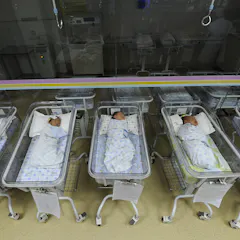
Regulations, funding and public opinion around genetically enhancing future generations vary from country to country. Here’s why China may be poised to be the pioneer.

We’re living longer and more ill lives – could we use animals to grow human organs for transplants?
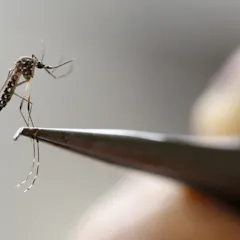
Look beyond transgenic techniques that add new genes to a species. People have used selective breeding techniques to change plants and animals for millennia – why not try them on mosquitoes?

U.C. Berkeley and the Broad Institute are fighting to control the patents on the revolutionary gene-editing technology. But there’s a lot more at stake than just who gets the credit and licensing fees.

The concerns about genetically modified foods are well known. But when we look at population and climate projections, what happens if we don’t use them to increase our food supply?
Research on how our lifestyles affect our genes raises the possibility of giving your future kids a better start in life before they’re even born.
Top contributors
-

Chair, The Conversation Media Group
-
Head of School (Computer Science) and Co-Director (Centre for Data Science), Queensland University of Technology
-
Distinguished Research Professor, Emerita, Dalhousie University
-
Geneticist and Group Leader, The John Curtin School of Medical Research, Australian National University
-
Assistant Professor in Biomedical Ethics, National University of Singapore
-
Emeritus Robert Reford Professor and Professor of Medicine, McGill University
-
Professor of Chemistry, Connecticut College
-
Doctoral Student in Biochemistry, University of Washington
-
Postdoctoral Associate in Science and Society, Duke University
-
Postdoctoral fellow, Harvard University
-
Vanier Scholar and Ph.D. Candidate in Microbiology and Immunology, Dalhousie University
-
Research fellow, The University of Queensland
-
Emeritus Professor of Developmental Biology, The University of Queensland
-
Associate Professor of Public Policy and Women's Studies, University of Michigan
-
Chen Su Lan Centennial Professor in Medical Ethics, National University of Singapore; Distinguished Visiting Professor in Law, University of Melbourne; Uehiro Chair in Practical Ethics, The University of Melbourne