
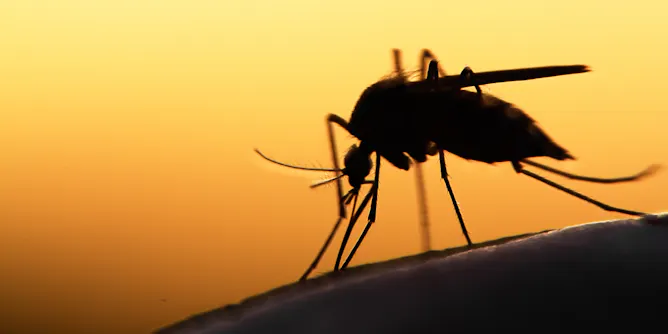
For several billion people mosquitoes are more than a nuisance – they transmit deadly diseases. Now genetic modification may prove the most effective defense against the mosquito, preventing disease.
Articles on CRISPR
Displaying 81 - 100 of 131 articles

Basic research can be easy to mock as pointless and wasteful of resources. But it’s very often the foundation for future innovation – even in ways the original scientists couldn’t have imagined.

CRISPR has been hailed as the an editing tool that can delete inherited mutations and cure disease. But recent papers suggest that the technique may be too dangerous for use in human therapies.
Genetic modification rules now cover gene edited crops but exclude plants bred traditionally with the same properties.
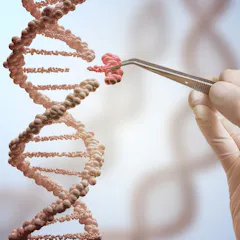
A new study found the Cas9 gene editing scissors don’t stop cutting after we tell them to.
GMO crops have been rejected by many countries and consumers. Now, an international team of researchers are creating better crops using DNA editing–without inserting foreign genes into the plant.

A bit of advice for any criminals inspired to try and edit their own genes – it’s unlikely to work, and it may present health risks.

One way to make sensors small is to make them out of something that’s incredibly small in the first place, such as DNA.

Yes emerging technologies can pose risks - but regulation must focus on outcomes of the technology, not the technology itself.
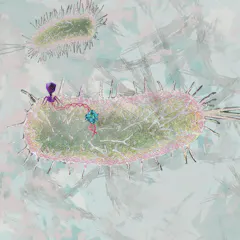
CRISPR harnesses the natural defence mechanisms of some bacteria to cut human DNA strands. Then the DNA strand either heals itself or we inject new DNA to mend the gap. This is gene editing.

Universities must train scientists to engage with the ethics of emerging technologies, rather than functioning as cogs in the engine of economic development. Integrating the arts into STEM can help.
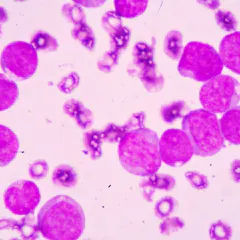
Improvements in survival rates for acute myeloid leukaemia have failed to keep pace with other leukaemias. That may be about to change.

Much like the fictitious Victor Frankenstein in Mary Shelley’s novel, more and more scientists are running away from their real-life creations.

Only one Canadian has ever received the Nobel Prize for medicine, in 1923. But Canadian discoveries have been essential to stem cell research, gene sequencing and treatments for cancer.

One big challenge for gene therapies is delivering DNA or RNA safely to cells inside patients’ bodies. New nanoparticles could be an improvement over the current standard – repurposed viruses.
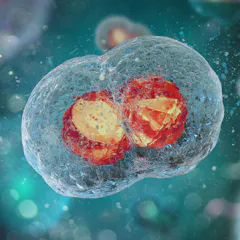
A new gene editing experiment explores human development. With this comes new ethical questions: How do scientists acquire embryos and how are their projects approved?

A landmark study in the UK discovered the gene that allows cells to form into embryos. If Australian researchers attempted this they could go to jail for 15 years.

With rapid advances in gene editing, states signed up to the Biological and Toxin Weapons Convention need to do more to prevent CRISPR from becoming a dangerous weapon.
The CRISPR gene-editing technique raises new questions about how we measure time and conceptualise history. Here, a cultural theorist takes on the philosophical side of this scientific breakthrough.

Americans have moved on from worrying about ‘test-tube babies’ – but there are still ethical challenges to resolve as reproductive technologies continue to advance.
Top contributors
-

Chair, The Conversation Media Group
-
Head of School (Computer Science) and Co-Director (Centre for Data Science), Queensland University of Technology
-
Distinguished Research Professor, Emerita, Dalhousie University
-
Geneticist and Group Leader, The John Curtin School of Medical Research, Australian National University
-
Assistant Professor in Biomedical Ethics, National University of Singapore
-
Emeritus Robert Reford Professor and Professor of Medicine, McGill University
-
Professor of Chemistry, Connecticut College
-
Doctoral Student in Biochemistry, University of Washington
-
Postdoctoral Associate in Science and Society, Duke University
-
Postdoctoral fellow, Harvard University
-
Vanier Scholar and Ph.D. Candidate in Microbiology and Immunology, Dalhousie University
-
Research fellow, The University of Queensland
-
Emeritus Professor of Developmental Biology, The University of Queensland
-
Associate Professor of Public Policy and Women's Studies, University of Michigan
-
Chen Su Lan Centennial Professor in Medical Ethics, National University of Singapore; Distinguished Visiting Professor in Law, University of Melbourne; Uehiro Chair in Practical Ethics, The University of Melbourne