
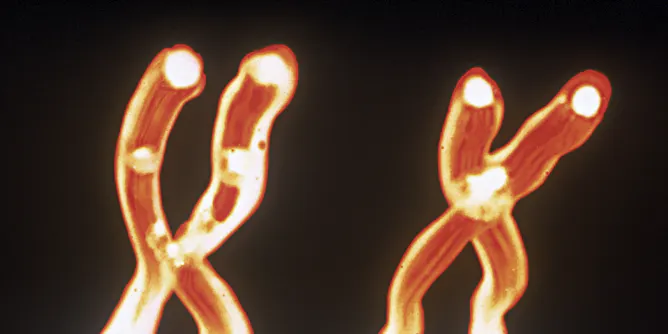
The negative health effects of Y chromosome loss could be one potential reason women tend to live longer than men.
Articles on CRISPR
Displaying 21 - 40 of 131 articles

As genetic engineering and DNA manipulation tools like CRISPR continue to advance, the distinction between what science ‘could’ and ‘should’ do becomes murkier.

New developments in organ transplants from animals show promise. However, there has been no public engagement about a potential risk. It may streamline a pathway to humans for new zoonotic diseases.
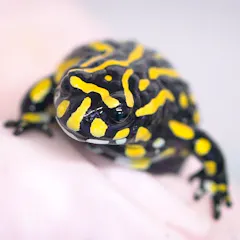
The rapid rate of species declines means we should trial potential solutions before it’s too late.
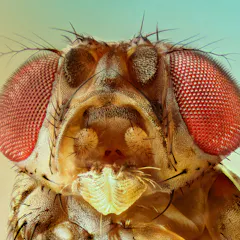
Hox genes make sure all your body parts grow in the right place. Understanding how they work can reveal the process of evolution and lead to potential treatments for congenital birth defects.

Field trials of genetically edited crop plants are to be allowed in England under new government proposals.

Catherine Price, sociologist, and Nicola Patron, synthetic plant biologist, discuss the promises, dangers and concerns around gene edited and GM crops.

Three pioneering technologies have forever altered how researchers do their work and promise to revolutionize medicine, from correcting genetic disorders to treating degenerative brain diseases.

The sketchy history of international efforts to control bioweapons suggests that nations will resist cooperative monitoring of gene hacking for medical research.
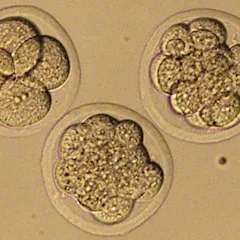
Researchers have grown the first human-monkey hybrid embryos as well as mouse embryos in artificial wombs late into development. These biomedical breakthroughs raise different ethical quandaries.
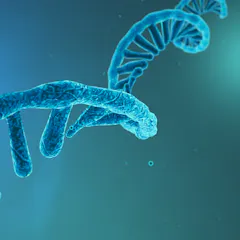
RNA was used to make COVID vaccines. Now it could lead to more personalised healthcare.
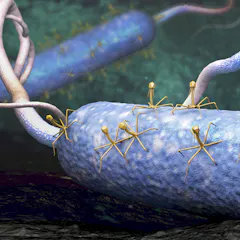
As the world has focused on the COVID-19 pandemic, other microbial foes are waging war on humans. Antibiotic-resistant bacteria pose a growing threat. But viruses may defeat them.

We propose five principles that could guide a proper ethical and legal framework for germline editing and similar technologies.
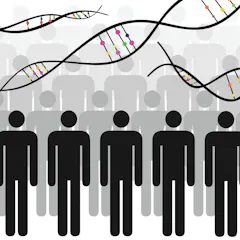
Using ‘base editing’, researchers have cured progeria in mice. This genetic syndrome causes premature ageing in humans – those with the disease usually don’t live past the age of 13.

Canada has produced Nobel Prize winners in the arts and sciences. With several recent awards, Canadian talent still has the potential for future achievements.

We could start making our genomes equipped to deal with more frequent pandemics. But it may come at a cost.
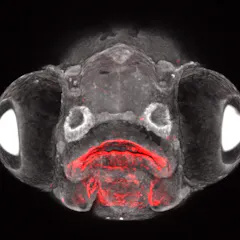
Recent studies using CRISPR to fast-track genetic studies into human disease genes appear flawed.

New research involving CRISPR technology has furthered our understanding of corals’ gene functions. Specifically, it has revealed a mechanism underpinning how corals withstand heat stress.

Emmanuelle Charpentier and Jennifer Doudna were awarded the Nobel prize in chemistry for Crispr but they weren’t the only key figures in its development.

Jennifer Doudna and Emmanuelle Charpentier have been awarded the Nobel prize in Chemistry for their revolutionary work on ‘gene scissors’ that can edit DNA.
Top contributors
-

Chair, The Conversation Media Group
-
Head of School (Computer Science) and Co-Director (Centre for Data Science), Queensland University of Technology
-
Distinguished Research Professor, Emerita, Dalhousie University
-
Geneticist and Group Leader, The John Curtin School of Medical Research, Australian National University
-
Assistant Professor in Biomedical Ethics, National University of Singapore
-
Emeritus Robert Reford Professor and Professor of Medicine, McGill University
-
Professor of Chemistry, Connecticut College
-
Doctoral Student in Biochemistry, University of Washington
-
Postdoctoral Associate in Science and Society, Duke University
-
Postdoctoral fellow, Harvard University
-
Vanier Scholar and Ph.D. Candidate in Microbiology and Immunology, Dalhousie University
-
Research fellow, The University of Queensland
-
Emeritus Professor of Developmental Biology, The University of Queensland
-
Associate Professor of Public Policy and Women's Studies, University of Michigan
-
Chen Su Lan Centennial Professor in Medical Ethics, National University of Singapore; Distinguished Visiting Professor in Law, University of Melbourne; Uehiro Chair in Practical Ethics, The University of Melbourne