

CRISPR gene editing should learn from the Slow Food movement. Scientists must allow time for critical conversations and perfecting of techniques before rewriting the source code of humanity.
Articles on CRISPR
Displaying 61 - 80 of 131 articles
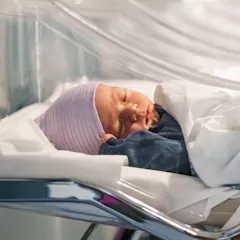
Four months ago a researcher claimed he had used the tool CRISPR to edit the genomes of twin girls. Now prominent researchers and ethicists are calling for a temporary halt to this sort of work.
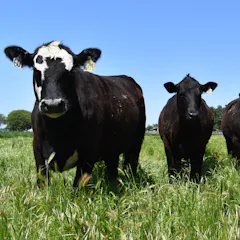
According to current regulations, animals that have been genetically edited, like pigs or cows, are considered drugs. What are the consequences of such rules on American livestock and agriculture?
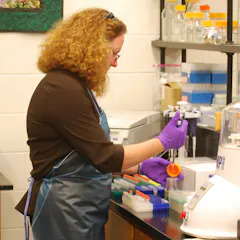
On average, important new lab techniques like CRISPR take 23 years to develop – but there is a public expectation that scientific breakthroughs occur quickly and efficiently.
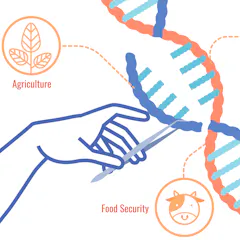
You may not agree with using the gene-editing tool, CRISPR, to alter the DNA of human babies. But what about using it to engineer plants? Or wipe out one of the world’s most dangerous creatures?
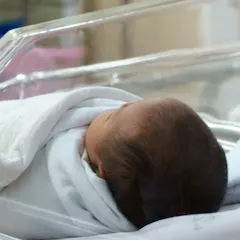
Genome editing technology has, and will always have, limits. Limits that are related not to the technology itself but to the intrinsic complexity of the human genome.
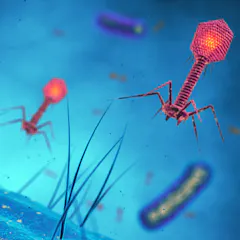
Gene editing through CRISPR may have greater consequences than climate change or unleashing the energy of the atom.
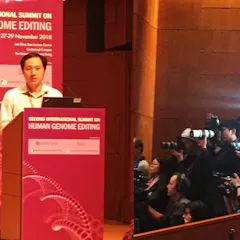
The world seemed to be inching forward with CRISPR gene editing technology – but suddenly the forbidden fruit has been plucked, and some even worry that the CRISPR tree has been cut down.
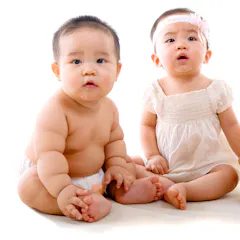
Chinese researcher, Jainkui He claims to have created the world’s first genome-edited twins. Such action would pose unknown risks to the lives of these children and to humanity as a whole.
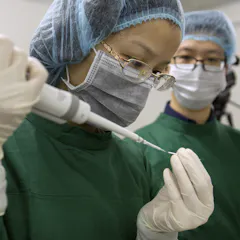
The announcement of the birth of babies with edited genes has been met by a deluge of scientific and ethical criticism. Public discussion focuses on risks and benefits – was breaking this taboo worth it?
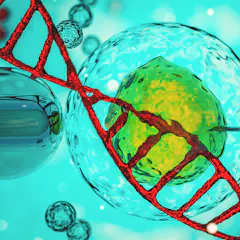
A Chinese scientist has revealed he edited the DNA of twin girls born through in vitro fertilization. These girls are designed to be resistant to HIV. Is the edit a medical necessity or an enhancement?
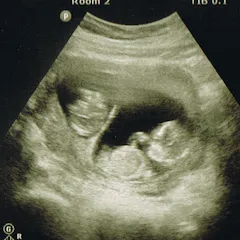
We don’t know anything about the health of the baby girls who are reported to have been born. But it’s clear scientists around the world are shocked.
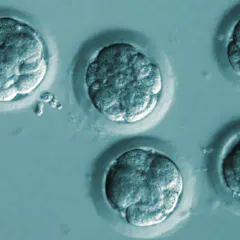
China is pushing hard to lead a genome editing race.
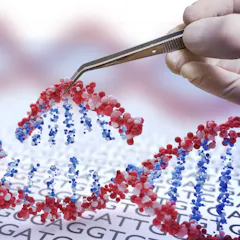
A Chinese scientist claims to have edited human DNA to make us more resistant to HIV. Here’s why that’s not good news.
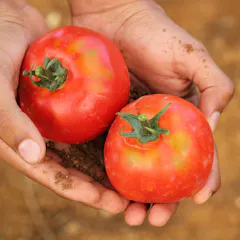
Gene editing of wild plants can help us tap into new sources of food. But we need to make sure it’s safe – and that demands some careful regulation.
Once genetic lesions for diseases such as cystic fibrosis and haemophilia were identified, the idea of replacing or correcting defective genes grew into what we now call “gene therapy”.

Is gene editing compatible with organic farming? A scholar explains the differences between old genetic engineering and CRISPR methods, and why the latter is similar to tradition plant breeding.
Just because you don’t have the flu doesn’t mean that your aren’t teeming with viruses inside and out. But what are all these viruses doing, if they aren’t making you sick?

Academics from different disciplines come Head to Head in this series to tackle topical debates.
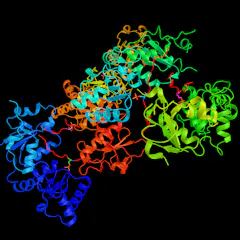
Mutations in BRCA genes are linked to the early onset of breast and ovarian cancers. But the effect of most mutations is unclear. Now new research can distinguish harmless from dangerous mutations.
Top contributors
-

Chair, The Conversation Media Group
-
Head of School (Computer Science) and Co-Director (Centre for Data Science), Queensland University of Technology
-
Distinguished Research Professor, Emerita, Dalhousie University
-
Geneticist and Group Leader, The John Curtin School of Medical Research, Australian National University
-
Assistant Professor in Biomedical Ethics, National University of Singapore
-
Emeritus Robert Reford Professor and Professor of Medicine, McGill University
-
Professor of Chemistry, Connecticut College
-
Doctoral Student in Biochemistry, University of Washington
-
Postdoctoral Associate in Science and Society, Duke University
-
Postdoctoral fellow, Harvard University
-
Vanier Scholar and Ph.D. Candidate in Microbiology and Immunology, Dalhousie University
-
Research fellow, The University of Queensland
-
Emeritus Professor of Developmental Biology, The University of Queensland
-
Associate Professor of Public Policy and Women's Studies, University of Michigan
-
Chen Su Lan Centennial Professor in Medical Ethics, National University of Singapore; Distinguished Visiting Professor in Law, University of Melbourne; Uehiro Chair in Practical Ethics, The University of Melbourne