

New research shows hunger can make us imagine tastes more vividly – helping explain those powerful cravings that lead to bad choices.
Articles on Consumer behaviour
Displaying 1 - 20 of 105 articles

Gene-edited dairy products could help farmers adapt to climate change. New research shows consumers may be willing to buy them under the right conditions.

Why do tip prompts feel uncomfortable in some places but not others? New research suggests it’s not about money but about the social norms being disrupted.

Dynamic pricing is already changing the final cost of clothing. Some prices are rising, but others are falling.

One of the biggest risks for central banks is that worries about higher inflation become embedded in people’s thinking.

At binz stores, surplus goods move downstream through a hidden retail ecosystem, giving products a second life and shoppers the chance to stretch their dollars.

Ethical consumption does not fail because consumers are indifferent or hypocrites, but because ethical choices often feel financially out of reach.
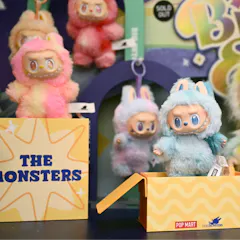
Blind boxes rely on the same mechanisms of seduction as loot boxes in video games – and so demand the same scrutiny.

Political consumerism — the act of buying or boycotting products for political or ethical reasons — is on the rise among younger generations.

An £8 billion spending spree would show up in the UK’s economic data.

The link between gender and diet.

Consumers use online reviews to inform their purchasing decisions, but the reviews can be influenced by many different factors.

Gen Z’s desire to live sustainably often clashes with the convenience, affordability and appeal of fast, trend-driven consumption.

A survey shows people with healthy eating habits tend to waste less food than those who focus on choosing ethical and environmentally friendly products.

The way ratings are displayed — as stars versus numbers — can shape consumer perceptions in subtle, yet predictable ways.

Though still in its early stages, the ‘Buy Canadian’ movement is already delivering promising results across the retail sector.

Cutting back on small indulgences can have a lasting impact on social connections and local economies.

The demise of Hudson’s Bay raises broader questions about the viability of traditional department stores in today’s retail environment.

‘Mindful’ consumers feel handmade goods contain more ‘love’ and are willing to pay more for them. For faster-paced ‘doers’, handmade marketing can actually backfire.

Growing health and wellness consciousness, accompanied by changing social patterns, have sparked Gen Z’s interest in the ‘sober curious’ movement.
Top contributors
-

Professor of Marketing and Consumer Behaviour, Queensland University of Technology
-
Assistant Professor, Faculty of Business, University of New Brunswick
-
Associate Professor of Marketing, Tasmanian School of Business and Economics, University of Tasmania
-
Associate Dean, School of Business and Law, Edith Cowan University
-
Professor and Associate Dean of Engagement & Inclusion, Ted Rogers School of Management, Toronto Metropolitan University
-
Lecturer of Marketing in the Lazaridis School of Business and Economics, Wilfrid Laurier University
-
Lecturer (Assistant Professor), Queensland University of Technology
-
PhD student, University of Sydney
-
Associate Professor, Queensland University of Technology
-
Marketing Professor
-
Emeritus Professor of Marketing, University of Birmingham
-
Emeritus Professor, University of Tasmania
-
Professor, School of Veterinary Science, University of Sydney
-
Professor of Consumer Psychology, Anglia Ruskin University
-
Senior lecturer, Queensland University of Technology