
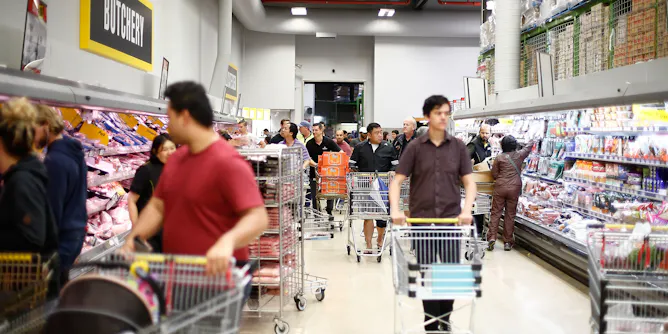
The election has produced competing prescriptions for NZ’s grocery market – each targets a different barrier to genuine competition.
Articles on Supermarkets
Displaying 1 - 20 of 225 articles

Recent reports show Woolworths and Coles are managing to hold smaller competitors at bay – in part by adopting a strategy from their rival, Aldi.
Copyright can only protect the expression of an idea, not an idea, concept or style itself.

Compost, manure and food waste can be turned into biofertilisers made from natural materials.
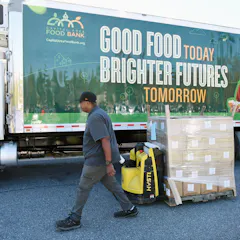
Picking up food more frequently from supermarkets doesn’t close the gap between what’s donated and could be donated, a supply chain scholar explains.
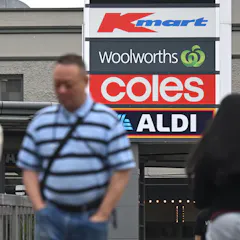
The new law targeting supermarket prices will be tough to apply. But it does put the big supermarkets on notice that their pricing practices are being watched.
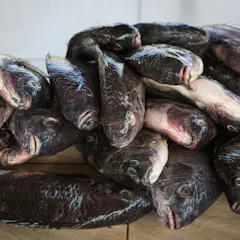
Navigating the benefits and risks of eating fish is a daily concern for consumers in Kenya due to persistent environmental pollution. How much are they influenced by nutritional labelling and guidelines?

Small stores, local produce and the return of the personal shopping assistant: supermarkets are starting to look like they did in the 1800s.
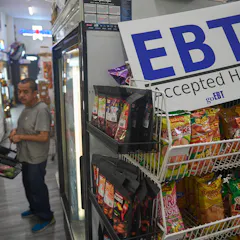
Many convenience stores, corner markets, bodegas and other small stores will have to make changes if they want to continue to accept SNAP benefits.
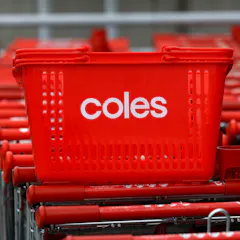
This court decision will have huge ripple effects right across Australian retail – and petrol retailers in particular should be on notice.
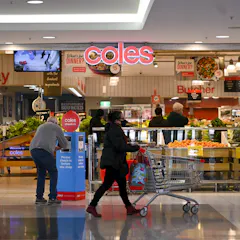
The Federal Court will have to decide whether Coles’ ‘Down Down’ discounts were genuine, or crossed a line into misleading conduct.
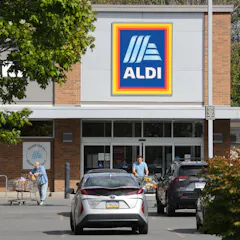
The grocer offers low prices and plans to build its own distribution center.
It helps to explain why falling inflation doesn’t necessarily ease pressure on household budgets.

The ban marks a departure from Australia’s traditional approach of preserving competitive processes rather than regulating prices directly.
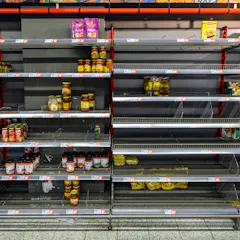
More extreme weather is set to cause more more problems for farmers and supermarkets in getting food to consumers.
An analysis of 420 million supermarket transactions shows that understanding what people buy – not just where they live – is key to creating healthier communities.
A state-owned, ‘no frills’ competitor would have one goal: to move commodities efficiently from producers to consumers as cheaply as possible.

Rising theft is hitting retailers hard. But it’s worth considering what we’d miss if even toothpaste and instant coffee were locked up – as they have been overseas.
The focus on price stability is making the food supply less resilient to shocks.
Product shortages can trigger memories of stressful times like Brexit and COVID.
Top contributors
-

Professor of Marketing and Consumer Behaviour, Queensland University of Technology
-
Associate Dean, School of Business and Law, Edith Cowan University
-
Associate Professor of Marketing, Tasmanian School of Business and Economics, University of Tasmania
-
Professor of Economics, Monash University
-
Professor in Sustainable Production and Consumption, Anglia Ruskin University
-
Professor of Public Health, Deakin University
-
Professorial Fellow, University of Canberra
-
Emeritus Professor of Marketing, University of Birmingham
-
Professor of Public Health Policy, Deakin University
-
Associate Professor in Operations and Supply Chain Management, UTS Business School, University of Technology Sydney
-
PhD, Political Economy, Macquarie University
-
Retail Academic Researcher, Business School, University of Sydney
-
PhD Candidate, ARC Centre of Excellence for Automated Decision-Making and Society, RMIT University
-
Professor of Accounting, University of Portsmouth
-
Associate Professor, Supply Chain Analytics, University of Bradford