
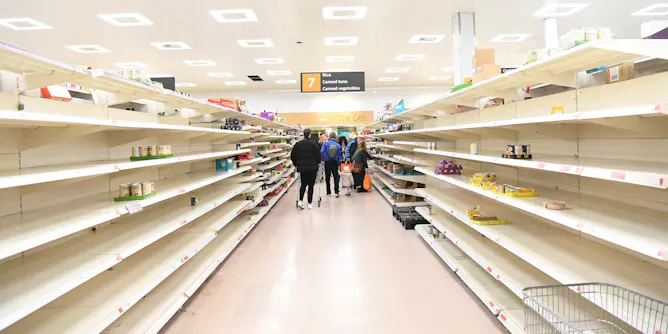
The good news is supermarket shelves should be back to normal sooner rather than later.
Articles on Consumer behaviour
Displaying 61 - 80 of 105 articles
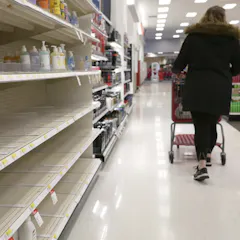
Amid the coronavirus pandemic, people are stockpiling essential supplies. But policy-makers may be able to influence both the supply and demand through public announcements and advisories.

The fear of others panic buying toilet paper drives panic buying. This is not people acting irrationally. It is a case of ‘coordination failure’.
A scholar who studies consumer decision-making explains just what it is in the human mind that makes people susceptible to nudges toward one behavior or another.
Technology has taken the old sales tactic of time-limited offer to a whole new level. But for the tactic to work requires a Goldilocks zone between being too pushy and not all.

There’s a lot of research in consumer behaviour that disputes the notion “more is better”. But it really depends on what type of personality you have.

Pot taxes will change the ability of some to purchase recreational marijuana.

New research on consumer behavior shows that we tend to match some types of choices the people around us make, but not others.
Insights from behavioural (and traditional) economics help explain why discounting – both real and fake – is such an effective marketing ploy.
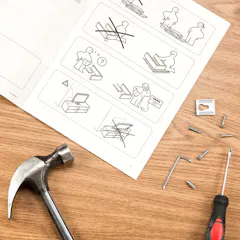
The IKEA effect is caked in myth, but the phenomenon of consumers valuing their own efforts is proven and potent.
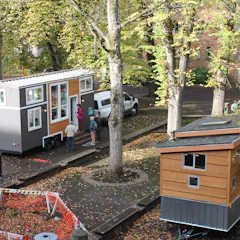
Research shows that moving from a larger dwelling to a tiny home can change behavior in surprising ways.

Many communities are banning single-use plastic shopping bags to reduce pollution, but a study in California shows that some consumers responded by purchasing more heavy plastic trash bags.

Studies show a weak relationship between tip amounts and quality of service. But the color gold seems to have a way of making diners feel wealthier – and more generous.

Traditional retailers want to lure you back with a shopping experience that online stores just can’t provide.

Many people become more forgiving of poor service if there are Christmas symbols around.
Hidden slavery is a growing global problem but we continue to turn a blind eye and embrace a seemingly insatiable demand for fast, cheap goods and services.
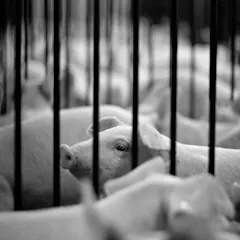
Nearly half the eggs sold in Australia are free-range, but only 5% of pork comes from pigs raised outdoors.
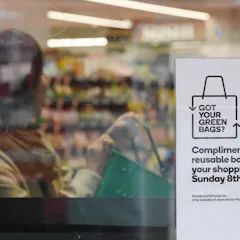
Meet the ‘Yeah-buts’ - those who know plastic is bad for the environment, but can’t get behind the bag ban because it affects their own convenience. This mindset can stall the best-laid green plans.
Many children receive gift cards or even ask for them so they can choose their own presents. But are youngsters ready to handle the wiles of advertisers and the complexities of ‘credit’ on a card?

Research shows the majority of consumers have low financial knowledge and experience, but they are also prone to behavioural biases that don’t help.
Top contributors
-

Professor of Marketing and Consumer Behaviour, Queensland University of Technology
-
Assistant Professor, Faculty of Business, University of New Brunswick
-
Associate Professor of Marketing, Tasmanian School of Business and Economics, University of Tasmania
-
Associate Dean, School of Business and Law, Edith Cowan University
-
Professor and Associate Dean of Engagement & Inclusion, Ted Rogers School of Management, Toronto Metropolitan University
-
Lecturer of Marketing in the Lazaridis School of Business and Economics, Wilfrid Laurier University
-
Lecturer (Assistant Professor), Queensland University of Technology
-
PhD student, University of Sydney
-
Associate Professor, Queensland University of Technology
-
Marketing Professor
-
Emeritus Professor of Marketing, University of Birmingham
-
Emeritus Professor, University of Tasmania
-
Professor, School of Veterinary Science, University of Sydney
-
Professor of Consumer Psychology, Anglia Ruskin University
-
Senior lecturer, Queensland University of Technology