
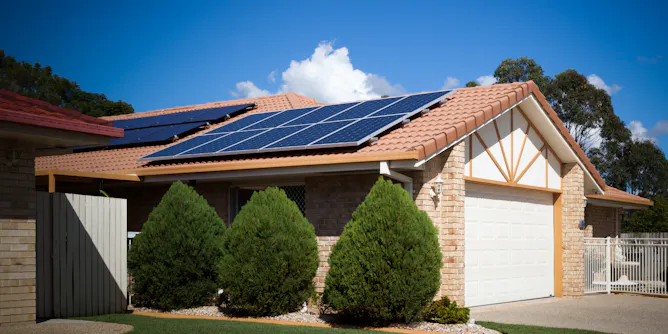
Subsidies are often a policy go-to for governments wanting to encourage more climate-friendly behaviours. But they should be used with caution.
Articles on Consumer behaviour
Displaying 41 - 60 of 105 articles
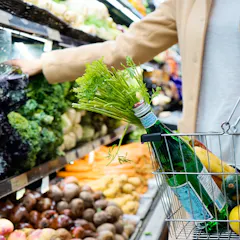
The rich history of UK consumer culture has been captured in the composition of the ‘basket of goods’ used to measure inflation.

The sneaky strategy of reducing pack sizes shows the strength of consumers’ cognitive bias towards focusing on price, no matter what.

The introduction of these technologies in Ghana has created an enabling platform for consumers to use their mobile phones to pay for goods and services
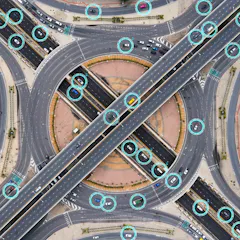
Studies show that when people can ride in a car without having to operate it, they increase their car use. That could increase traffic and pollution, unless government puts a price on car travel.

We’ve seen panic buying, the rise of the “homebody economy” and a strong shift towards contactless shopping. So what now?
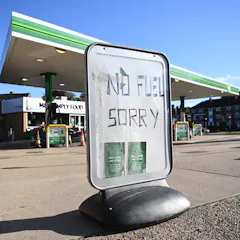
As continued panic buying will only perpetuate any fuel shortages, it’s important to think about what can be done to curb it.
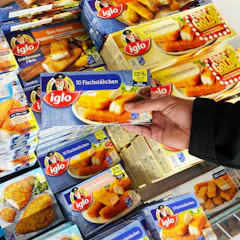
We still don’t know whether ecolabels are significantly better for the environment than alternatives.
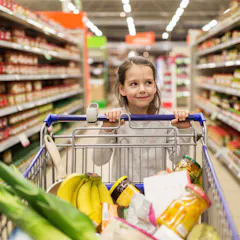
School banking programs like Dollarmites are being banned in some state schools due to the idea children are vulnerable to marketing tactics. But our research shows this isn’t always the case.
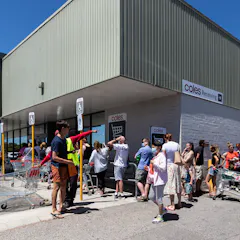
Another local lockdown, another outbreak of shoppers stockpiling. Fortunately supply chains are now prepared.
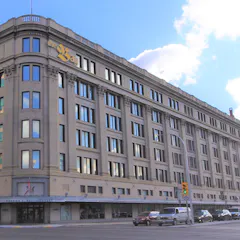
In October, the Hudson’s Bay Company announced that it would be closing its flagship location in downtown Winnipeg. This closure is reflective of the changing nature of downtown neighbourhoods.

Millennials and Gen Z overwhelmingly support the movement, and consumer brands are well aware of their growing spending power.

Research suggests the coronavirus pandemic’s greatest impact is due to people changing their behaviour voluntarily. So we may be overestimating the costs of government restrictions.
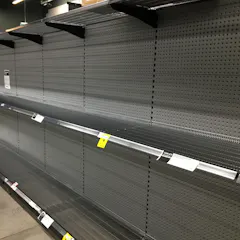
Melbourne’s return to stage 3 restrictions has precipitated another round of grocery stockpiling. But supermarket shelves won’t be empty as long as last time.
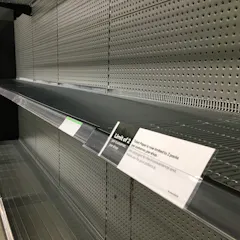
What motivates people to panic buy and stockpile goods like toilet paper? The COVID-19 pandemic has given us the chance to find out.
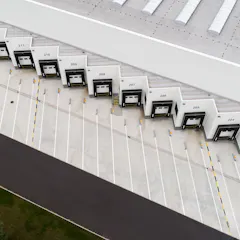
Woolworths’ A$780 millon investment in new automated distribution centres is a sign of how much COVID-19 has changed the way we shop. It points what’s to come in the retail sector.
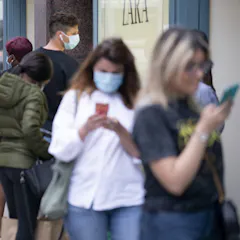
Retailers must focus on training customer-facing teams to succeed post-coronavirus.
To curb opportunistic shoplifting, supermarkets want you to know you are being watched. But they’re also hoping for self-reflection.
The overwhelming majority of us say we care about animal welfare. But when it comes to shopping, our actions often take a different turn.

Most consumers in South Africa aren’t able to fill up a trolley of groceries for their daily needs, let alone join the panic buying induced by the COVID-19 pandemic.
Top contributors
-

Professor of Marketing and Consumer Behaviour, Queensland University of Technology
-
Assistant Professor, Faculty of Business, University of New Brunswick
-
Associate Professor of Marketing, Tasmanian School of Business and Economics, University of Tasmania
-
Associate Dean, School of Business and Law, Edith Cowan University
-
Professor and Associate Dean of Engagement & Inclusion, Ted Rogers School of Management, Toronto Metropolitan University
-
Lecturer of Marketing in the Lazaridis School of Business and Economics, Wilfrid Laurier University
-
Lecturer (Assistant Professor), Queensland University of Technology
-
PhD student, University of Sydney
-
Associate Professor, Queensland University of Technology
-
Marketing Professor
-
Emeritus Professor of Marketing, University of Birmingham
-
Emeritus Professor, University of Tasmania
-
Professor, School of Veterinary Science, University of Sydney
-
Professor of Consumer Psychology, Anglia Ruskin University
-
Senior lecturer, Queensland University of Technology