
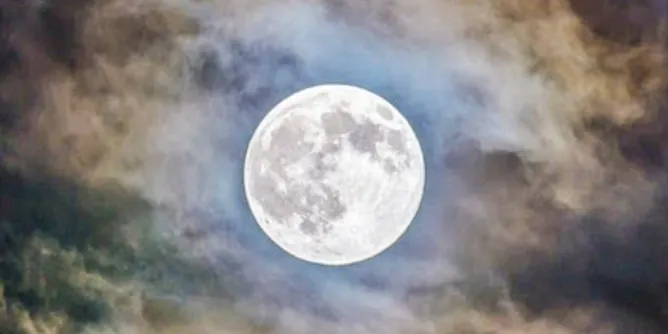
Folklore suggests that a full moon has a strong effect on sleep. But the reality is more complex, and lifestyle habits like screen use before bedtime are likely to have a larger effect.
Articles on Circadian rhythms
Displaying 21 - 40 of 155 articles
A study followed thousands of medical interns and found a genetic link to their ability to adjust to shift-work changes.

The effects can be powerful enough, governments should consider regulating lights in casinos.

Immune cells known as neutrophils act as first responders to infection. Research on zebrafish shows light regulates their activity and boosts their ability to kill bacteria.
Here’s how your body might respond when you turn your clock back an hour on Saturday night.

Waking up early may help you to adjust faster though.

Improving your indoor lighting could help you sleep more soundly and be more active during the day.

Insomnia and bad sleep can lead to high blood pressure and increase hormone levels and inflammation.

The current system − daylight saving time and early school start times − wastes billions while causing more car accidents, workplace injuries and health issues.
Opioids and other addictive drugs can alter the rhythmic activity of genes involved in sleep-wake cycles.
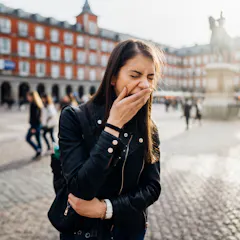
Your brain’s clock struggles to catch up from jet lag, but your metabolism adjusts much quicker.

You can train your brain to wake up on time naturally.

Here are just some of the ways light is important for our wellbeing and mental health.

We have trillions of body clocks – a central one in the brain and others in each cell of our body. Here’s how they work with light to control our health.
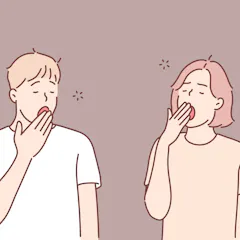
One yawn, a second, a third and it’s your turn. Many biological explanations have been put forward, but what is the scientific consensus?

Most planets that have the potential to host life have one side always facing their sun.

Your biology really is telling you to poo in the morning. And yes, your coffee is partly to blame.
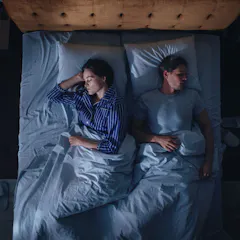
The review revealed women reported lower quality sleep compared to men – though men were more likely to stay awake later.
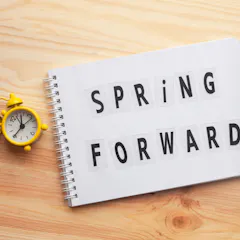
Americans have long been divided over adopting permanent standard versus permanent daylight saving time. But support for permanent standard time grew dramatically between 2021 and 2024.
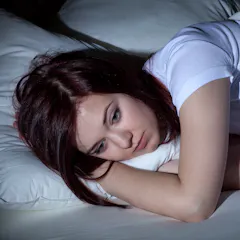
Depression, bipolar disorder and anxiety have all been linked to problems with sleep and a disrupted circadian rhythm.
Top contributors
-

Professor, School of Medicine, University of Connecticut
-
Emeritus Professor of Psychology, Adelaide Institute for Sleep Health, Flinders University
-
Director, Appleton Institute, CQUniversity Australia
-
Associate Professor, Physiology of Circadian Rhythms, Institute for Molecular Bioscience, The University of Queensland
-
Professor of Neurology and Pediatrics, Vanderbilt University
-
Associate Professor of Neurology, University of Pittsburgh
-
Professor (Assoc), School of Pharmacy and Biomolecular Sciences (PBS), RCSI University of Medicine and Health Sciences
-
Professor of Chronobiology and Integrative Physiology, University of Surrey
-
Personal Chair in Nutrition, The Rowett Institute, University of Aberdeen
-
Conjoint Senior Lecturer, School of Medicine and Public Health, University of Newcastle
-
Research fellow, The University of Queensland
-
Associate Professor of Physical & Biological Sciences, University of California, Santa Cruz
-
Professor of Endocrinology, University of Oxford
-
Postdoctoral Research Officer, University of Surrey
-
Professor and Director, Centre for Mental Health, Swinburne University of Technology