
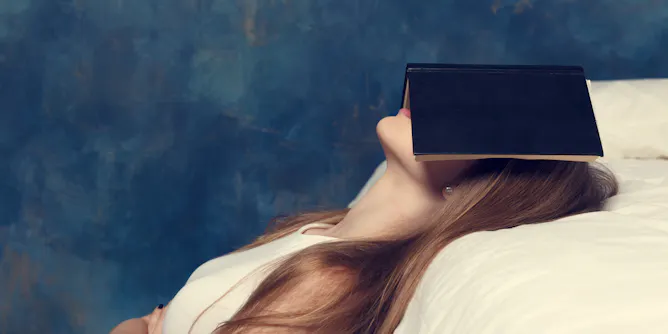
Science shows that early starts can be bad for teenagers’ health. Schools and universities would be better off starting at 10am.
Articles on Circadian rhythms
Displaying 101 - 120 of 155 articles

A recent study shows plankton that have adapted to road salt have disrupted circadian rhythms. This finding suggests that environmental pollutants could also affect human circadian clocks.
If you need an alarm to get up in the morning, you’re probably not getting enough sleep.
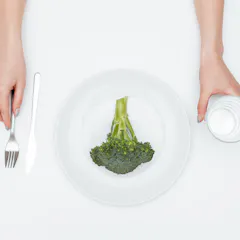
It comes down to what and how much you eat over the day, rather than when you eat most of your food.
It’s normal to feel a bit groggy when you wake up – parts of your brain are still asleep.

Step-by-step travel tips - including how to use those fancy blue light goggles - if you’re travelling East to West, or West to East these holidays.
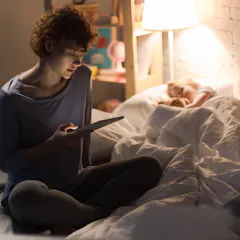
Children with an irregular bedtime performed worse on cognitive tests, had worse behaviour and were more likely to be obese than others.
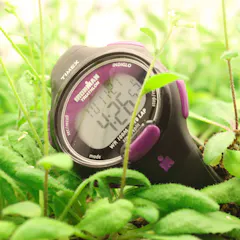
Precisely calibrated timekeepers are found in organisms from all domains of life. Biologists are studying how they influence plant/pathogen interactions – what they learn could lead to human medicines.
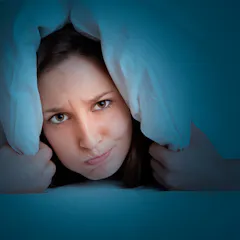
Evidence for a link between breast cancer and artificial light appears to be growing. Do studies showing higher risk of breast cancer the farther west a woman lives in a time zone add to the science?
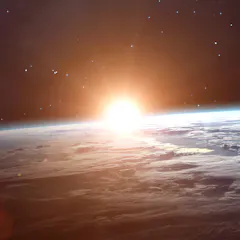
Biological clocks set the pace for nearly all living things, and Jeffrey Hall, Michael Rosbash and Michael Young – awarded the Nobel Prize in Physiology or Medicine – helped us understand how.
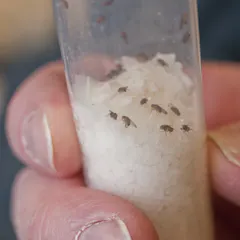
Americans Jeffrey Hall, Michael Rosbash and Michael Young share the 2017 Nobel Prize in Physiology or Medicine for work that explained how our cells keep track of time.
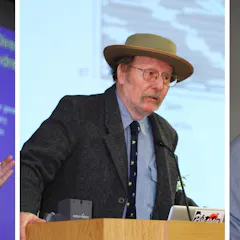
The winners of the Nobel Prize in Physiology or Medicine discovered how our internal body clock works.
Whether you’re a night owl or a morning lark, circadian rhythms control just about every aspect of your health.
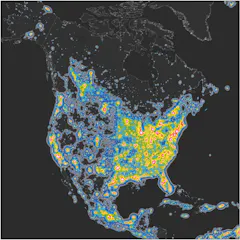
Study uses satellite data to add to growing evidence that nighttime light exposure raises risk of breast cancer, with the strongest link among young women.
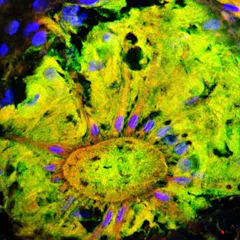
We’re used to thinking of our eyes detecting light as the foundation of our visual system. But what’s going on in other cells throughout the body that can detect light, too?

How to eat yourself brighter.
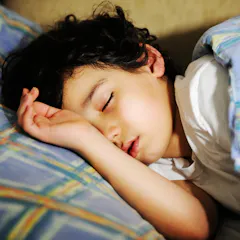
Children with ADHD are much more likely than other kids to struggle getting to sleep, and staying asleep. Up to 73% of Australian parents report their child with ADHD has problems sleeping.
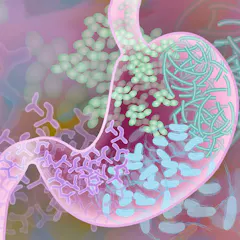
New research suggests our gut microbes have their own circadian rhythms that in turn influence our organ functions. Is this an explanation for how disrupting our daily patterns can cause health problems?
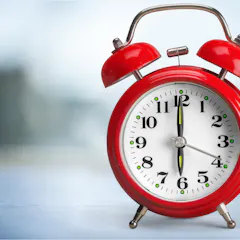
Gaining a better sense of what genes are involved in regulating circadian clocks could put us on a path to find better treatments and therapies to help people adjust to time shifts.
The wrong kind of light can seriously impact your well-being.
Top contributors
-

Professor, School of Medicine, University of Connecticut
-
Emeritus Professor of Psychology, Adelaide Institute for Sleep Health, Flinders University
-
Director, Appleton Institute, CQUniversity Australia
-
Associate Professor, Physiology of Circadian Rhythms, Institute for Molecular Bioscience, The University of Queensland
-
Professor of Neurology and Pediatrics, Vanderbilt University
-
Associate Professor of Neurology, University of Pittsburgh
-
Professor (Assoc), School of Pharmacy and Biomolecular Sciences (PBS), RCSI University of Medicine and Health Sciences
-
Professor of Chronobiology and Integrative Physiology, University of Surrey
-
Personal Chair in Nutrition, The Rowett Institute, University of Aberdeen
-
Conjoint Senior Lecturer, School of Medicine and Public Health, University of Newcastle
-
Research fellow, The University of Queensland
-
Associate Professor of Physical & Biological Sciences, University of California, Santa Cruz
-
Professor of Endocrinology, University of Oxford
-
Postdoctoral Research Officer, University of Surrey
-
Professor and Director, Centre for Mental Health, Swinburne University of Technology