

The adoption of permanent DST in B.C. raises significant concerns about social jetlag and long-term health impacts, especially for young people.
Articles on Body clock
Displaying 1 - 20 of 40 articles
The answer lies in what’s known as the body’s ‘master clock’.

Folklore suggests that a full moon has a strong effect on sleep. But the reality is more complex, and lifestyle habits like screen use before bedtime are likely to have a larger effect.

Immune cells known as neutrophils act as first responders to infection. Research on zebrafish shows light regulates their activity and boosts their ability to kill bacteria.

Here’s how your body might respond when you turn your clock back an hour on Saturday night.

Here are just some of the ways light is important for our wellbeing and mental health.

We have trillions of body clocks – a central one in the brain and others in each cell of our body. Here’s how they work with light to control our health.

Evidence suggests late-night eating can be bad for our health.

A new study looked at mouse models and health data from more than 90,000 shift workers in the UK.

Mice who exercised in the late morning had approximately two-fold greater fat breakdown.

The festive season provides great motivation to make lifestyle changes around eating habits.

Two sleep doctors offer some survival tips to help you adjust to losing that hour of sleep as clocks spring forward into daylight saving time.
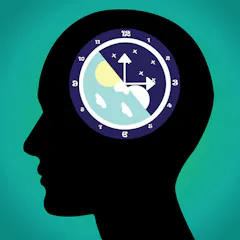
Our immune system is controlled by our “body clock” – an intricate 24-hour system which controls how cells function.

Chemicals banned in the EU were recently granted an exemption for limited use in the UK.

Time changes make many people feel tired, irritable, and unable to sleep.
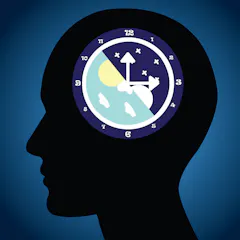
Frequent disruption of our internal ‘body clock’ is linked to type 2 diabetes and obesity.
Researchers are only beginning to understand the relationship eating time and circadian rhythm have on our body weight.

Removing the “clock” gene makes immune cells more effective at fighting bacteria.

Daylight saving time starts this weekend, and it can often be the beginning of new dramas getting kids to bed. Here’s how to make the transition a little smoother.

Breast milk contains ingredients in concentrations that change over the course of the day. Researchers think milk is chrononutrition, carrying molecular messages to help set a baby’s internal clock.
Top contributors
-

Research fellow, The University of Queensland
-
Director, Appleton Institute, CQUniversity Australia
-
Associate Professor, Physiology of Circadian Rhythms, Institute for Molecular Bioscience, The University of Queensland
-
Professor of Chronobiology and Integrative Physiology, University of Surrey
-
NHMRC Emerging Leadership Fellow Institute for Molecular Bioscience, The University of Queensland
-
Professor of Endocrinology, University of Oxford
-
Postdoctoral Research Officer, University of Surrey
-
Group Leader at MRC Laboratory of Molecular Biology, University of Cambridge
-
Associate Professor of Physical & Biological Sciences, University of California, Santa Cruz
-
Professor of Circadian Neuroscience, University of Oxford
-
Professor of Medicine, Flinders University
-
Lecturer in Biomedical Sciences, The University of Queensland
-
Chief investigator, National Centre for Sleep Health Services Research, Flinders University
-
Wellcome Trust Senior Fellow in Clinical Sciences at the Department of Clinical Neurosciences, University of Cambridge
-
Research Fellow / Health Psychologist, Swinburne University of Technology