

We found being a night owl increased the risk of having behavioural problems and delayed brain development in later adolescence.
Articles on Circadian rhythms
Displaying 61 - 80 of 155 articles
‘Sad’ is most common during the colder months.
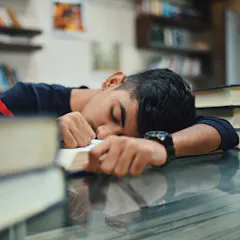
Adolescent biology, early morning classes and too much evening screen time are a few of the key drivers behind teen sleep deprivation.
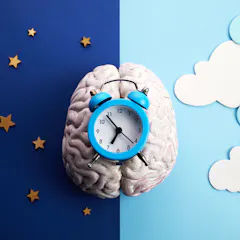
Your body follows a circadian rhythm that influences everything from how well your medications work to the best time for exercise.

How sharks sleep has been a mystery. Some species of shark need to swim continuously to push water over their gills and breathe. New research is shedding light on how sharks sleep.
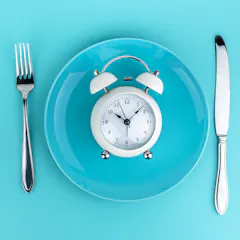
Healthy eating is not just what you eat, but when you eat. Eating rhythms that are in sync with the circadian clock can benefit general well-being and may have a protective effect against mental illness.
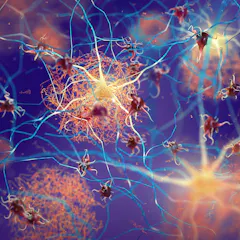
If replicated in humans, these findings could mean that targeting or boosting the circadian rhythm in Alzheimer’s patients, could help with managing the disease

Dusk is a dangerous time of day for hitting wildlife on the road, and the one-hour time change means more drivers are out while deer are at their most active and visibility is dropping.
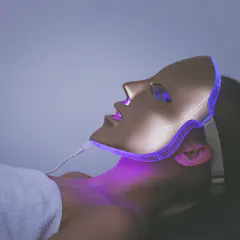
LED face masks are popular with celebrities and promise a glowing complexion. But should they come with ‘daytime use’ recommendation?

The thoughts are often distressing and punitive. Strikingly, these concerns vaporise in the daylight, proving that the 3am thinking was completely irrational and unproductive. But why?

The increasing prevalence of white LED streetlamps spells worrying population declines for insects like moths.
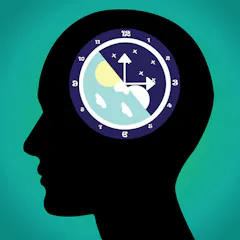
Our immune system is controlled by our “body clock” – an intricate 24-hour system which controls how cells function.
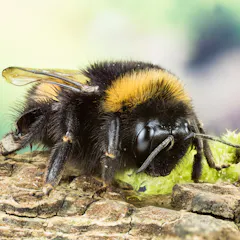
Chemicals banned in the EU were recently granted an exemption for limited use in the UK.
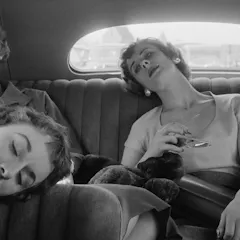
Springing forward for daylight saving time will be especially hard this year due to sleep loss from COVID-19. Why does the US keep doing this?
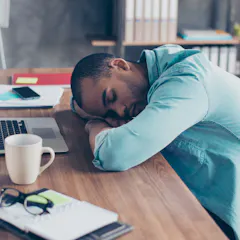
Time changes make many people feel tired, irritable, and unable to sleep.
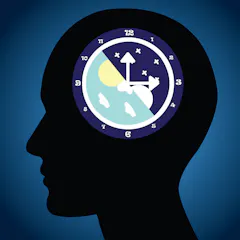
Frequent disruption of our internal ‘body clock’ is linked to type 2 diabetes and obesity.
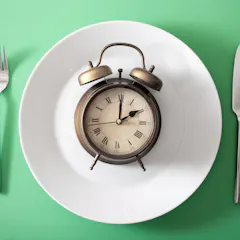
Researchers are only beginning to understand the relationship eating time and circadian rhythm have on our body weight.

To boost your immune defenses against corona and other viruses, one of the most effective things you can do is maintain your natural circadian rhythms. Here’s how to do that.
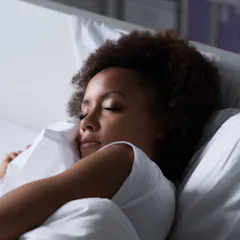
The time at home from the coronavirus crisis could be an opportunity to let our natural sleep rhythms take over.

Removing the “clock” gene makes immune cells more effective at fighting bacteria.
Top contributors
-

Professor, School of Medicine, University of Connecticut
-
Emeritus Professor of Psychology, Adelaide Institute for Sleep Health, Flinders University
-
Director, Appleton Institute, CQUniversity Australia
-
Associate Professor, Physiology of Circadian Rhythms, Institute for Molecular Bioscience, The University of Queensland
-
Professor of Neurology and Pediatrics, Vanderbilt University
-
Associate Professor of Neurology, University of Pittsburgh
-
Professor (Assoc), School of Pharmacy and Biomolecular Sciences (PBS), RCSI University of Medicine and Health Sciences
-
Professor of Chronobiology and Integrative Physiology, University of Surrey
-
Personal Chair in Nutrition, The Rowett Institute, University of Aberdeen
-
Conjoint Senior Lecturer, School of Medicine and Public Health, University of Newcastle
-
Research fellow, The University of Queensland
-
Associate Professor of Physical & Biological Sciences, University of California, Santa Cruz
-
Professor of Endocrinology, University of Oxford
-
Postdoctoral Research Officer, University of Surrey
-
Professor and Director, Centre for Mental Health, Swinburne University of Technology