

You may want to re-think skipping breakfast if you’re someone who does it often.
Articles on Circadian rhythms
Displaying 41 - 60 of 155 articles

Most teens aren’t getting enough sleep, leading to poorer academic performance. Early school start times combined with natural changes in hormones and the circadian rhythm could be to blame.

Questions about co-sleeping are often drowned out in a whirlwind of information and opinions. But science can provide some answers.

Synchronizing your daily activities to your circadian rhythm could help you improve your performance on a variety of cognitive tasks − and even influence diagnosis of cognitive disorders.

Our bodies are able to perceive time thanks to our internal clocks, which are also used by the other living beings with which we interact.

Should companies offer tailored timetables and workplaces on the basis of our different bodies, or are universal solutions, such as the four-day week, the way forward?
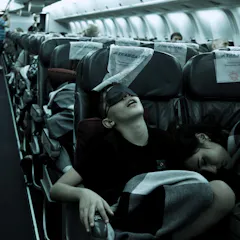
A sleep scientist explains how to maximise your chances of getting decent rest while trapped on a plane.

Wake up! It’s time for bed. Here’s how to make sure you can actually fall asleep when you get there.

Evidence suggests late-night eating can be bad for our health.

Ancient humans chose to sleep less, which had evolutionary benefits. For modern humans, sleeping less is futile and detrimental, but fitness may be a powerful ally in today’s epidemic of sleep loss.
Why plants’ oscillating genes matter for humans.

A new study looked at mouse models and health data from more than 90,000 shift workers in the UK.

Dr Joe Dituri is hoping to set a world record during his experiment.
A good night’s sleep is important for a well-functioning body and mind, but the best time for you to get that sleep depends on a number of factors.
Americans are divided on their preference for daylight saving time versus standard time. But research shows that our bodies fare better when aligned with the natural light of standard time.

Mice who exercised in the late morning had approximately two-fold greater fat breakdown.

The festive season provides great motivation to make lifestyle changes around eating habits.
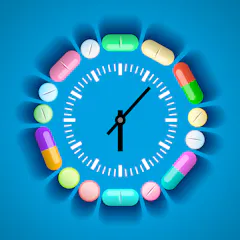
There is a best time to take your medications, but your doctor may not know when that is. Researchers are still figuring it out, one drug at a time.

Research shows that young adults and women are particularly susceptible to seasonal affective disorder.

Shift work throws our circadian rhythm out of whack, which can impact the major systems in our bodies.
Top contributors
-

Professor, School of Medicine, University of Connecticut
-
Emeritus Professor of Psychology, Adelaide Institute for Sleep Health, Flinders University
-
Director, Appleton Institute, CQUniversity Australia
-
Associate Professor, Physiology of Circadian Rhythms, Institute for Molecular Bioscience, The University of Queensland
-
Professor of Neurology and Pediatrics, Vanderbilt University
-
Associate Professor of Neurology, University of Pittsburgh
-
Professor (Assoc), School of Pharmacy and Biomolecular Sciences (PBS), RCSI University of Medicine and Health Sciences
-
Professor of Chronobiology and Integrative Physiology, University of Surrey
-
Personal Chair in Nutrition, The Rowett Institute, University of Aberdeen
-
Conjoint Senior Lecturer, School of Medicine and Public Health, University of Newcastle
-
Research fellow, The University of Queensland
-
Associate Professor of Physical & Biological Sciences, University of California, Santa Cruz
-
Professor of Endocrinology, University of Oxford
-
Postdoctoral Research Officer, University of Surrey
-
Professor and Director, Centre for Mental Health, Swinburne University of Technology